How Often Should I Schedule an Industrial Electrical Inspection in the Lehigh Valley?
Comments Off on How Often Should I Schedule an Industrial Electrical Inspection in the Lehigh Valley?You can’t afford downtime caused by electrical failures. Scheduling your industrial electrical inspection in Lehigh Valley and surrounding regions at the right intervals cuts risk and keeps your facility running. Follow NFPA 70B maintenance guidelines tailored to your plant’s needs, from annual infrared thermography scans to quarterly checks in high-stress environments. Learn how to protect uptime and ensure OSHA electrical compliance with Marshall Industrial Technologies‘ proven inspection schedules. Book your no-obligation electrical risk review today and stay ahead of potential issues.
Importance of Regular Electrical Inspections
Regular electrical inspections are vital in preventing unexpected outages. They ensure compliance with safety standards and minimize costly downtime.
Understanding NFPA 70B Guidelines
NFPA 70B provides a roadmap for effective maintenance. It emphasizes inspecting components for wear and ensuring systems run smoothly. By adhering to these guidelines, facilities can reduce risks associated with electrical failures.
-
Safety First: The guidelines prioritize safety, protecting both personnel and equipment.
-
Consistent Updates: Regular updates to the guidelines reflect the latest safety practices and technological advancements.
-
Comprehensive Coverage: It covers everything from routine checks to advanced diagnostics.
Key Drivers in the Lehigh Valley and Beyond
In the Lehigh Valley, manufacturing, pharmaceutical, and food industries rely heavily on consistent power. Keeping equipment operational is crucial to maintaining production schedules.
-
High Demand: These industries require high levels of uptime, making inspections a critical component of operational planning.
-
Regulatory Compliance: Adhering to local and national regulations ensures facilities can operate without interruptions.
Optimizing Uptime and Safety
To optimize uptime, inspections must be thorough and regular. This proactive approach keeps facilities safe and operational.
-
Preventative Measures: Regular checks prevent minor issues from escalating into major problems.
-
Operational Efficiency: Inspections contribute to smoother operations, reducing unexpected shutdowns.
Recommended Inspection Cadences
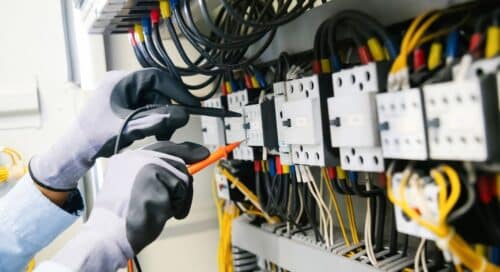
Scheduling inspections at appropriate intervals is crucial. Tailoring these schedules to specific facility needs ensures maximum efficacy.
Annual Visual and Infrared Thermography
Annual inspections using infrared thermography detect hidden faults. This technology identifies potential issues before they become critical.
-
Early Detection: Thermography reveals hotspots and potential failure points not visible to the naked eye.
-
Cost-Effective: Identifying issues early can prevent costly repairs and downtime.
High-Stress Area Maintenance Needs
Areas under constant stress require more frequent inspections. This ensures that any issues are promptly addressed.
-
Quarterly Checks: High-stress environments benefit from quarterly inspections to maintain safety and functionality.
-
Targeted Focus: These inspections focus on components most susceptible to wear and tear.
Comprehensive Intrusive PM Scheduling
Some components require more invasive checks. Scheduling these inspections during planned downtime minimizes disruption.
-
In-Depth Analysis: Intrusive inspections provide a detailed view of component health.
-
Strategic Planning: Timing these checks with production schedules avoids unnecessary disruptions.
Essential Maintenance Tasks
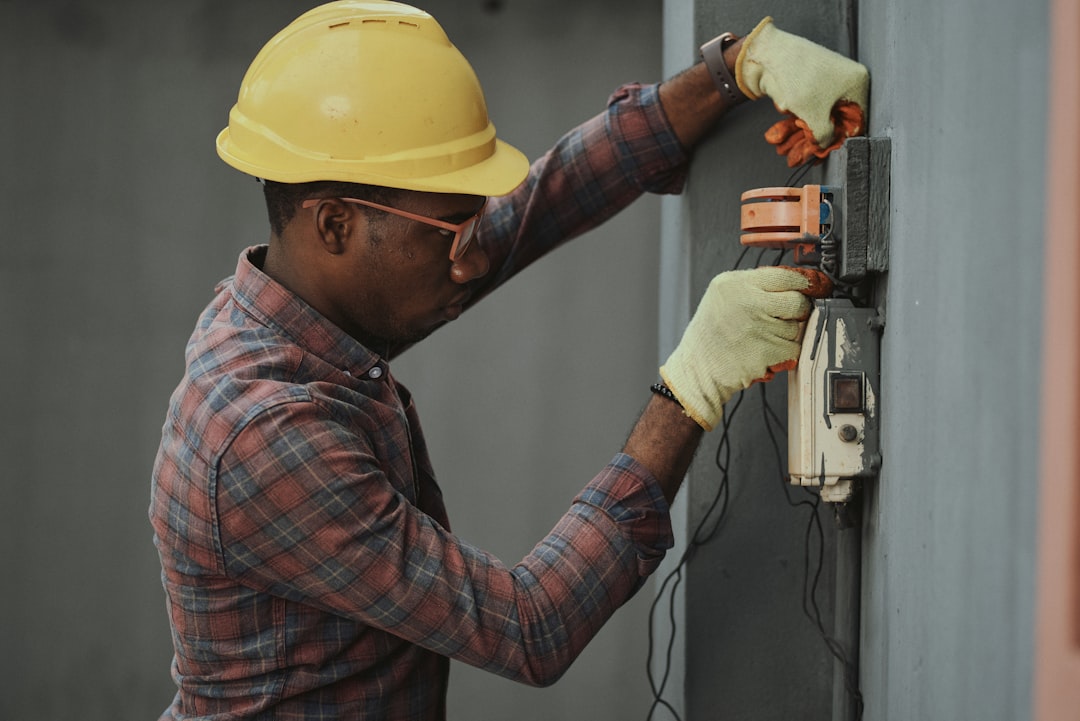
Maintenance tasks ensure systems function optimally. Each task targets specific aspects of system health and safety.
Breaker Testing and Calibration
Testing and calibrating breakers ensure they function correctly during faults. This prevents potential equipment damage.
-
Regular Testing: Ensures breakers respond appropriately to electrical faults.
-
Calibration Accuracy: Regular calibration maintains breaker precision, crucial for safety.
Arc Flash Study and Documentation
Arc flash studies assess the risk of electrical discharge. Proper documentation ensures compliance with safety standards.
-
Risk Mitigation: Studies identify potential hazards, reducing the risk of accidents.
-
Safety Compliance: Documentation supports regulatory compliance, enhancing workplace safety.
Grounding System Testing and Power Quality Analysis During Industrial Electrical Inspections
Testing grounding systems and analyzing power quality ensures electrical stability. A stable system prevents unexpected outages.
-
Grounding Verification: Ensures systems are properly grounded, reducing shock risks.
-
Quality Analysis: Identifies power quality issues, preventing damage to sensitive equipment.
Frequently Asked Questions
How often should electrical inspections be performed?
Inspections should be tailored to your facility’s needs. High-stress areas may require quarterly checks, while typical environments benefit from annual inspections.
What does infrared thermography detect?
Infrared thermography identifies temperature fluctuations, revealing potential faults before they become significant problems.
Why is breaker testing essential?
Breaker testing ensures that systems respond correctly during faults, preventing equipment damage and enhancing safety.
How does NFPA 70B influence inspection schedules?
NFPA 70B provides guidelines that help facilities maintain safety and operational efficiency through regular inspections.
What are the benefits of regular grounding system testing?
Regular testing verifies system grounding, reducing shock risks and ensuring power stability.