
Skip to Content
Exit

Tag Archive: chiller optimization

  1. Peak-Season Readiness Checklist for Mechanical, Electrical, and HVAC-R Systems

    Comments Off on Peak-Season Readiness Checklist for Mechanical, Electrical, and HVAC-R Systems

    Peak season demand pushes your mechanical, electrical, and HVAC-R systems to their limits. Skipping key inspections and tests can lead to costly downtime when you need uptime most. This industrial maintenance checklist highlights critical steps to prepare your facility and reduce risk before the strain begins. Read on to secure your operations with proven readiness strategies and expert support. For more insights, visit our blog.

    Peak-Season Maintenance Essentials

    Preparing your facility for peak season can prevent disruptions and financial losses. This section covers essential checks for your mechanical, electrical, and HVAC-R systems.

    Mechanical System Inspection

    Keep mechanical systems in top shape to avoid unexpected shutdowns. Start by inspecting belts, bearings, and motors for wear. A small issue here can cascade into larger problems. Regular lubrication and cleaning are crucial to prolong the life of these components.

    Check all seals and gaskets for leaks. Leaks can impact both performance and safety, potentially leading to costly repairs. Address these promptly to maintain efficiency. If you’re unsure how to proceed, consult a professional who can provide targeted solutions.

    Electrical Load Testing and IR Thermography

    Electrical systems are the backbone of any facility. Load testing verifies that circuits can handle increased demand. This is vital during peak times. An overload can lead to failures, jeopardizing operations.

    Infrared thermography is a powerful tool for identifying hot spots. These often indicate potential issues like loose connections or overloaded circuits. Identifying these early can save you from expensive repairs later. Utilize this technology to keep your systems secure and efficient.

    HVAC-R Preventive Maintenance

    Don’t let HVAC-R systems become a weak link during peak season. Begin with air filter replacements. Clogged filters force systems to work harder, wasting energy and money. Regular checks on thermostats and controls ensure they’re functioning correctly, maintaining desired temperatures.

    Inspect ductwork for any signs of damage or leaks. These can compromise system efficiency, driving up costs. Address any issues you find to ensure reliable operation. Preventive measures here can keep your facility comfortable and operations smooth.

    Critical Systems Preparation
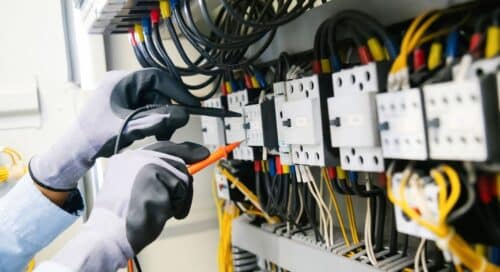
    As peak season approaches, focusing on system preparation can further enhance reliability. The following checks can help maintain optimal performance.

    Vibration Analysis and Laser Alignment

    Vibration analysis identifies imbalances in rotating equipment. These can lead to premature failures. Regular checks can detect these issues early, allowing for timely corrections. This ensures equipment longevity and reduces downtime.

    Laser alignment is key for efficient machinery operation. Misaligned machines consume more energy and wear out faster. Correcting alignment boosts performance and cuts costs. These processes, though simple, offer significant benefits.

    Chiller Optimization and Cooling Tower Service

    Chillers and cooling towers are vital for thermal regulation. Regular servicing can improve efficiency and lifespan. Start with a thorough cleaning to remove debris that can impede performance.

    Check for corrosion or scaling, which can impact heat transfer. Addressing these issues promptly ensures that your systems run smoothly. Optimizing these systems can result in energy savings and improved reliability.

    Refrigerant Management and BAS Controls Optimization

    Managing refrigerant levels is critical for HVAC-R efficiency. Low levels can strain systems, leading to breakdowns. Regular checks and top-offs prevent these issues. This simple step can save significant costs over time.

    Optimize Building Automation System (BAS) controls to enhance system performance. Proper calibration ensures that systems respond accurately to changes, maximizing comfort and efficiency. Investing time here can yield considerable benefits.

    Strategic Planning and Emergency Services
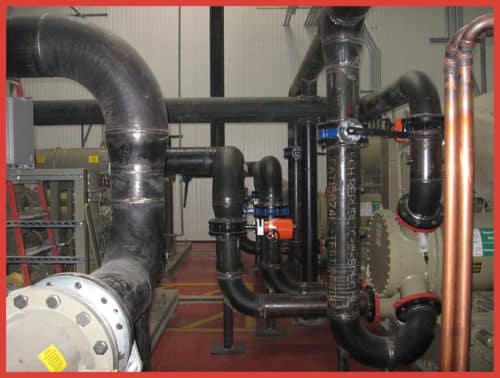
    Proactive planning and access to emergency services are crucial. This section outlines steps to ensure you’re prepared for any situation.

    Shutdown Planning and Critical Spares Strategy

    Effective shutdown planning minimizes downtime and disruptions. Coordinate schedules to ensure all systems receive necessary attention. This proactive approach reduces the risk of unexpected failures.

    Having a critical spares strategy is equally important. Stock essential parts to avoid delays in repairs. This can be a lifesaver during peak times when quick responses are essential.

    24/7 Emergency Industrial Service

    Access to 24/7 emergency services provides peace of mind. Quick response times can mitigate potential losses during unexpected breakdowns. Knowing you have expert support available around the clock ensures continuous operations.

    Northeast Industrial Services and Reliability Centered Maintenance

    Choosing a reliable service provider is a strategic decision. Look for one with a strong presence in your region. Reliable partners can offer tailored solutions and immediate support, essential during peak season.

    Reliability centered maintenance focuses on preventing failures before they occur. This proactive approach keeps systems running smoothly, enhancing overall operational efficiency. By prioritizing reliability, you can build a more resilient facility.

    Frequently Asked Questions

    What is the importance of mechanical system inspection during peak season?

    Mechanical system inspections are crucial to identify wear and tear that could lead to system failures. Regular checks reduce the risk of unexpected downtime and expensive repairs.

    How does IR thermography benefit my facility’s electrical systems?

    IR thermography can detect hot spots in electrical systems, indicating potential issues. By addressing these early, you can prevent costly failures and ensure safe operation.

    Why should I consider a critical spares strategy?

    A critical spares strategy ensures that essential parts are available when needed. This minimizes downtime and helps maintain continuous operations during peak demand.

    What role does HVAC-R preventive maintenance play in peak season readiness?

    Preventive maintenance ensures HVAC-R systems operate efficiently, reducing energy costs and preventing unexpected breakdowns.

    How can vibration analysis improve machinery performance?

    Vibration analysis helps identify imbalances in machinery, allowing for timely corrections. This enhances performance, extends equipment life, and reduces energy consumption.

  2. Emerging Trends in Industrial HVAC-R: Enhancing Energy Efficiency and Operational Reliability

    Comments Off on Emerging Trends in Industrial HVAC-R: Enhancing Energy Efficiency and Operational Reliability

    Emerging Trends in Industrial HVAC-R: Enhancing Energy Efficiency and Operational Reliability

    Industrial HVAC-R systems are no longer just about keeping your facility running—they’re key to cutting costs and avoiding downtime. New trends in energy efficiency and smart controls are reshaping how you manage HVAC retrofits and predictive maintenance. In this post, you’ll learn which upgrades deliver measurable ROI and how Marshall can be your trusted partner in boosting uptime and compliance. Schedule your no-cost industrial HVAC-R efficiency assessment today and secure 24/7 emergency support. Learn more about these trends here.

    High-Impact Industrial HVAC-R Trends

    two industrial workers in hard hats

    Industrial HVAC-R systems are no longer just about keeping your facility running—they’re key to cutting costs and avoiding downtime. The latest trends are reshaping the way HVAC systems are managed, focusing on both energy efficiency and operational reliability. Let’s explore these transformative trends.

    Energy Efficiency Enhancements

    Energy efficiency is more than just a buzzword. It’s about real savings. Upgrading to high-efficiency components can lower your energy bills by up to 30%. Consider variable frequency drives (VFDs). They adjust motor speed to match demand, saving power during low-use periods. Adding demand-controlled ventilation can also cut costs by using sensors to adjust airflow based on occupancy. For a deeper dive into HVAC efficiency, check out this insightful article.

    Want to make your system greener? Look into low-GWP refrigerants like CO2 or ammonia. They reduce environmental impact and may even qualify you for government incentives. Heat recovery systems can be another game-changer, capturing waste heat to preheat incoming air, which further cuts energy use. These upgrades not only save money but also help your facility meet sustainability goals.

    Operational Reliability Advances

    Reliability ensures peace of mind for facility managers. Unexpected downtime is costly, but it can be minimized. Chiller optimization is a prime example. By using advanced controls, you can avoid over-cooling, which not only saves energy but extends the life of your equipment. Process cooling is another area where efficiency can be improved, reducing the likelihood of system failures.

    Think your system is running fine? Consider predictive strategies. Predictive maintenance and condition monitoring use data analytics to anticipate issues before they lead to costly repairs. With these tools, you can schedule maintenance during planned downtime rather than reacting to emergencies. This proactive approach can save your facility thousands in unexpected costs. Dive into these trends to see how you can keep your operations smooth.

    Maximizing ROI from Retrofits

    maximizing retrofit for industrial HVAC-R systems

    Investing in HVAC retrofits can seem daunting, but the returns are substantial. The right upgrades can pay for themselves within a few years. Here’s how to ensure you’re getting the best ROI.

    Smart Controls and BAS Integration

    Smart controls are revolutionizing industrial HVAC-R systems. By integrating them with your Building Automation System (BAS), you can manage energy use more effectively. Smart sensors adjust settings based on real-time data, optimizing energy use. BAS integration allows you to monitor and control your systems from anywhere, reducing the need for on-site management.

    Not convinced? Consider this: facilities with smart controls report up to 15% reduction in energy use. Plus, they provide detailed reports that let you fine-tune operations, maximizing efficiency. For more on smart controls, visit this resource on HVAC innovations.

    Predictive Maintenance and Condition Monitoring

    Predictive maintenance isn’t just a trend—it’s a necessity. By using IIoT monitoring, you can predict failures before they occur. This tech uses real-time data to alert you to potential issues, allowing you to fix them before they cause downtime. Condition monitoring helps maintain peak performance by tracking equipment health continuously.

    Most people think maintenance is all about fixing what’s broken. But with predictive tools, you can avoid breakdowns altogether. The longer you wait to adopt this tech, the more you’re risking costly downtime. Learn how predictive maintenance can transform your HVAC strategy at HVAC industry trends.

    Partnering with Marshall for Success

    two industrial contractors working on industrial HVAC-R and other industrial systems

    Choosing the right partner for your HVAC needs can make all the difference. With Marshall Industrial Technologies, you gain more than just service; you get a partner committed to your success.

    Comprehensive HVAC-R Solutions

    Marshall offers a full suite of HVAC-R services tailored to industrial needs. From installation to maintenance, our team is ready to support your facility with 24/7 emergency service. Our comprehensive solutions ensure your systems run smoothly and efficiently.

    You might think any provider can offer similar services, but our focus on safety, quality, and efficiency sets us apart. Our experienced technicians are always available, ensuring minimal downtime and maximum performance.

    Tailored Services for Industrial Needs

    Every facility is unique, and so are its industrial HVAC-R needs. Marshall specializes in customized solutions that match your specific requirements. Whether you’re in pharmaceuticals needing GMP compliance or in the food and beverage sector requiring precise climate control, we’ve got you covered.

    Our experts will work with you to design, install, and maintain systems that deliver optimal performance. Don’t settle for a one-size-fits-all approach when you can have bespoke solutions that enhance productivity and lower costs.

    In conclusion, staying ahead in the industrial HVAC-R landscape requires embracing new trends and technologies. By focusing on energy efficiency and operational reliability, you can significantly reduce costs and improve system performance. Trusting a partner like Marshall ensures you not only keep up with industry standards but exceed them.

    Vist our Site