Reduce Downtime with Coordinated Mechanical, Electrical, HVAC-R, and Piping Support
Comments Off on Reduce Downtime with Coordinated Mechanical, Electrical, HVAC-R, and Piping SupportIndustrial downtime reduction demands more than quick fixes. Your mechanical, electrical, HVAC-R, and piping systems must work in sync to keep production steady. Coordinating these trades stops small issues from snowballing into costly shutdowns. Read on to learn how integrated multi-trade services cut downtime and boost plant reliability across your facility. Schedule a plant reliability assessment today and see the difference coordinated support makes. Read more here.
Coordinated Multi-Trade Services
Reducing Industrial Downtime
Keeping your plant running smoothly requires more than just quick fixes. When different systems work together, unexpected stoppages can be avoided. This ensures steady production and minimizes costs.
Single-source industrial services bring everything under one roof. When you consolidate your service needs, you reduce the chances of gaps or overlaps in maintenance. This means every piece of equipment works when you need it, preventing costly shutdowns.
Multi-trade coordination is like having a team of experts who know how to play well together. By connecting mechanical, electrical, HVAC-R, and piping systems, you stop small issues before they become big problems. Curious about how this works? Let’s dig into some key techniques.
Benefits of Single-Source Solutions
Choosing a single-source service provider offers simplicity and peace of mind. Imagine having just one number to call for any industrial service need. This not only saves time but also ensures consistency in service delivery.
With integrated services, there’s no need to juggle different contractors. Your operations benefit from streamlined processes and reduced downtime. The result: smoother transitions and fewer interruptions.
Think of it this way: when all parts of your facility are managed under one umbrella, coordination improves. Each system supports the others, creating a robust defense against unexpected issues. Interested in learning more? Explore the techniques that make this approach work.
Multi-Trade Coordination Techniques
Bringing trades together means more efficient problem-solving. A coordinated approach ensures that each system complements the others. This enhances overall plant reliability.
Techniques include:
-
Regular Cross-Discipline Meetings: Keeping all your teams on the same page ensures everyone knows what the others are doing.
-
Shared Technology Platforms: Using common tools allows for seamless information sharing and quick decision-making.
-
Coordinated Maintenance Schedules: Aligning service times helps prevent unexpected breakdowns and ensures all systems are checked regularly.
Ready to see these strategies in action? Next, let’s dive into the key services that support your facility’s needs.
Key Service Offerings
Mechanical Maintenance Best Practices
Mechanical services form the backbone of industrial operations. Keeping machines in top shape avoids disruptions and extends their lifespan.
Start with regular inspections: This helps spot wear and tear early. By catching issues before they escalate, you save both time and money. Routine checks can prevent minor problems from becoming major headaches.
Consider using advanced tools: Vibration analysis and thermal imaging are powerful methods. They detect potential issues that might not be visible to the naked eye. This proactive approach ensures your machinery runs smoothly.
Looking for more insights? Discover how our electrical services and safety measures play a crucial role.
Electrical Services and Safety
Electrical systems are vital for powering industrial facilities. Keeping them safe and functional is a top priority.
Routine electrical maintenance prevents failures that can halt production. This includes regular inspections of circuit breakers, transformers, and wiring systems. By ensuring these elements are in good condition, you reduce the risk of unexpected outages.
Safety is paramount: An arc flash assessment helps protect both equipment and personnel. It identifies potential hazards and ensures compliance with safety standards.
Curious about how our HVAC-R and process piping services fit in? Let’s explore their role in maintaining facility efficiency.
HVAC-R and Process Piping Insights
HVAC-R systems and piping are essential for maintaining optimal conditions. They ensure the right temperature and humidity levels, crucial for many industries.
Regular HVAC-R maintenance keeps systems running efficiently. This includes cleaning filters, checking fluid levels, and scheduling annual tune-ups. These steps maintain indoor air quality and reduce energy consumption.
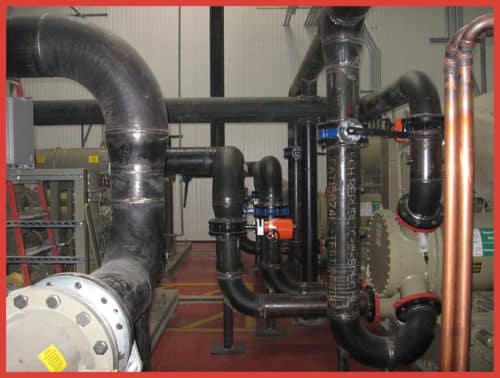
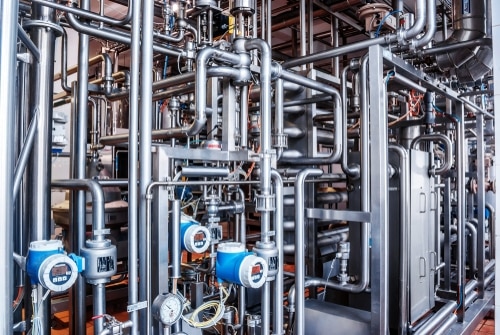
Process piping should be checked for leaks and corrosion. This guarantees seamless operation and prevents costly repairs. Proper management of these systems can significantly cut downtime, as detailed in this guide on industrial piping systems.
Ready to delve into the advanced techniques that keep your plant performing at its best? Let’s explore predictive and preventive maintenance next.
Advanced Predictive and Preventive Maintenance
Importance of Predictive Maintenance
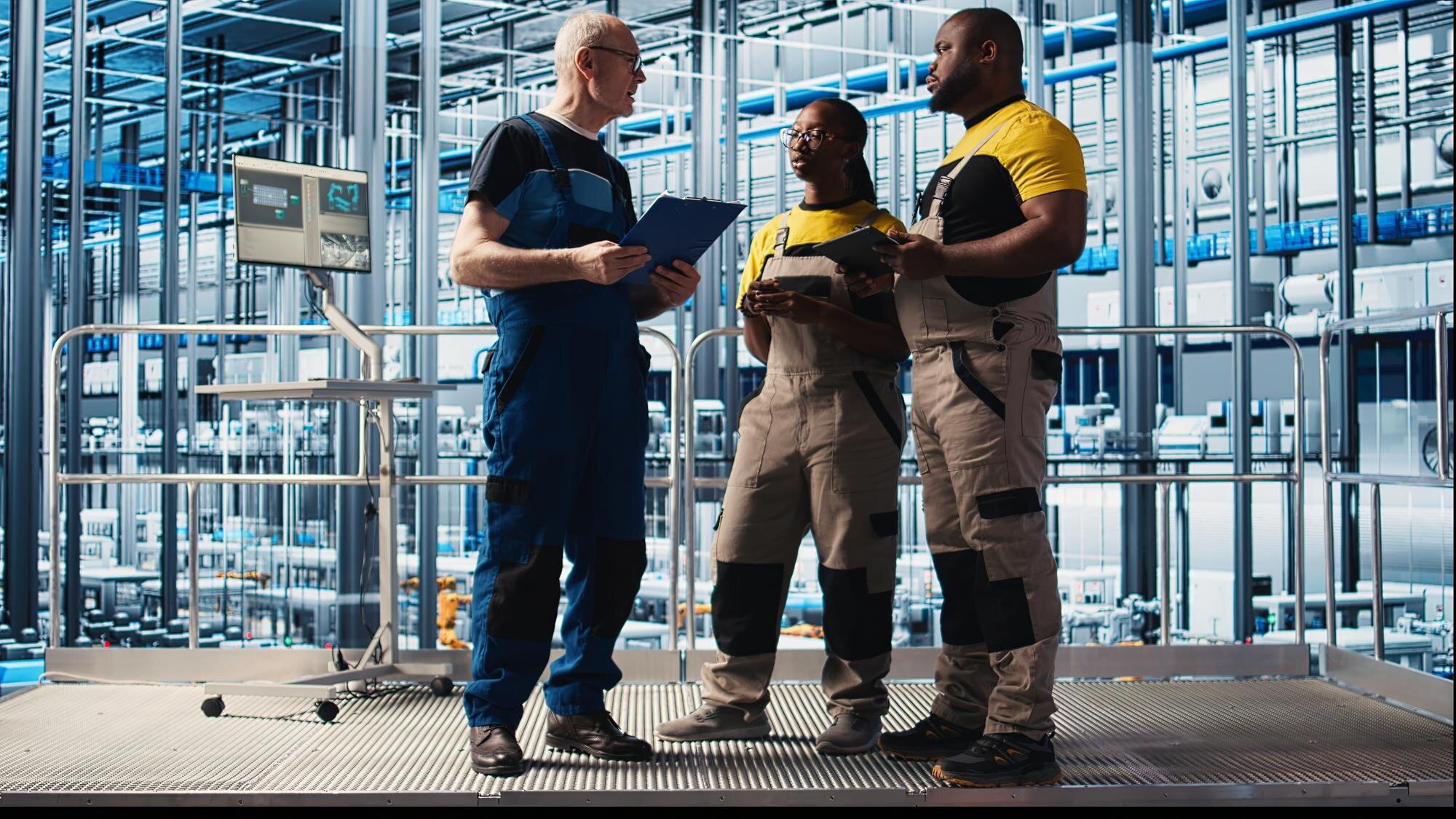
Predictive maintenance uses technology to forecast when equipment might fail. This foresight allows you to address issues before they impact operations.
Implementing predictive techniques involves: Regularly monitoring equipment performance using sensors and analytics. This helps detect patterns that indicate potential failures. By acting on this data, you can schedule maintenance at convenient times, minimizing disruptions.
The payoff is clear: Reduced downtime and extended equipment life. Knowing what’s coming allows you to plan effectively. Interested in more ways to keep your facility running smoothly? Let’s move on to preventive strategies.
Implementing Preventive Maintenance Strategies
Preventive maintenance involves regularly scheduled checks, even when equipment appears to be working fine. This proactive approach keeps everything in top condition.
Focus on routine tasks like: Lubricating moving parts, tightening loose connections, and replacing worn components. These simple actions can prevent more significant problems down the line.
Scheduling is key: Regularly planned maintenance avoids surprises and ensures your facility stays productive. Want to know how to handle emergencies when they arise? Keep reading for solutions.
Emergency Industrial Repair Solutions
When unexpected problems occur, quick response is essential. Emergency industrial repair services are available to address these urgent needs.
Our team is ready 24/7 for any repair situation. Whether it’s a mechanical breakdown or electrical failure, rapid intervention minimizes downtime and reduces costs. Quick fixes are vital to keeping operations on track.
Speed and expertise matter: Having access to skilled technicians ensures that repairs are done right the first time. Want to be prepared for any situation? A comprehensive service partner makes all the difference.
In conclusion, coordinated services and preventive strategies are your best defense against downtime. By integrating mechanical, electrical, HVAC-R, and piping support, you ensure smooth operations. Ready to explore these solutions further? Reach out to our experts today.