Skip to Content
Exit

Tag Archive: industrial HVAC-R

  1. Late-Summer Peak Demand: Prepare Your Industrial HVAC-R Systems Now

    Comments Off on Late-Summer Peak Demand: Prepare Your Industrial HVAC-R Systems Now

    Late-summer peak demand puts industrial HVAC-R systems under intense pressure. You can’t afford unexpected downtime or unstable process cooling when production depends on it. This post lays out a precise readiness plan to keep your chillers, cooling towers, and controls tuned for peak loads. Book a Late-Summer HVAC-R Readiness Assessment today. Contact our 24/7 team to schedule preventive maintenance, controls tuning, and emergency coverage. Learn more about peak demand and its impact on building performance.

    Preparing for Peak Demand

    To ensure your industrial HVAC-R systems can handle late-summer demands, a proactive approach is key. Begin by evaluating the current condition of your equipment and addressing any potential issues.

    Assessing Your HVAC-R Systems

    Start by conducting a thorough assessment of your HVAC-R systems. Look for signs of wear and tear, and pay special attention to components like compressors and fans. Regular inspections can help you identify potential problems before they lead to breakdowns. Engage skilled technicians to perform checks and ensure all systems are operating within optimal parameters.

    Next, consider the age of your equipment. Older systems might struggle during peak demand periods, so it may be time to plan for upgrades or replacements. This proactive step can prevent costly downtime and ensure continued reliability.

    Importance of Chiller Maintenance

    Chillers are crucial in keeping your facility cool, especially during late-summer peaks. Ensure they receive regular maintenance to avoid unexpected failures. Clean and inspect condenser coils, check refrigerant levels, and monitor system pressures.

    Regular maintenance helps maintain energy efficiency and prolongs the life of your chillers. If you notice any unusual noises or a drop in performance, address these immediately. Early intervention can prevent more significant issues down the line.

    Cooling Tower and Coil Cleaning

    Cooling towers play a vital role in your HVAC-R systems. Keeping them clean improves efficiency and prevents system malfunctions. Regularly remove scale, sediment, and biological growth to ensure optimal performance.

    Cleaning coils is equally important. Dirty coils can reduce system efficiency, leading to increased energy consumption and operating costs. Make coil cleaning a part of your regular maintenance routine to keep your systems running smoothly.

    Optimizing Controls and Efficiency
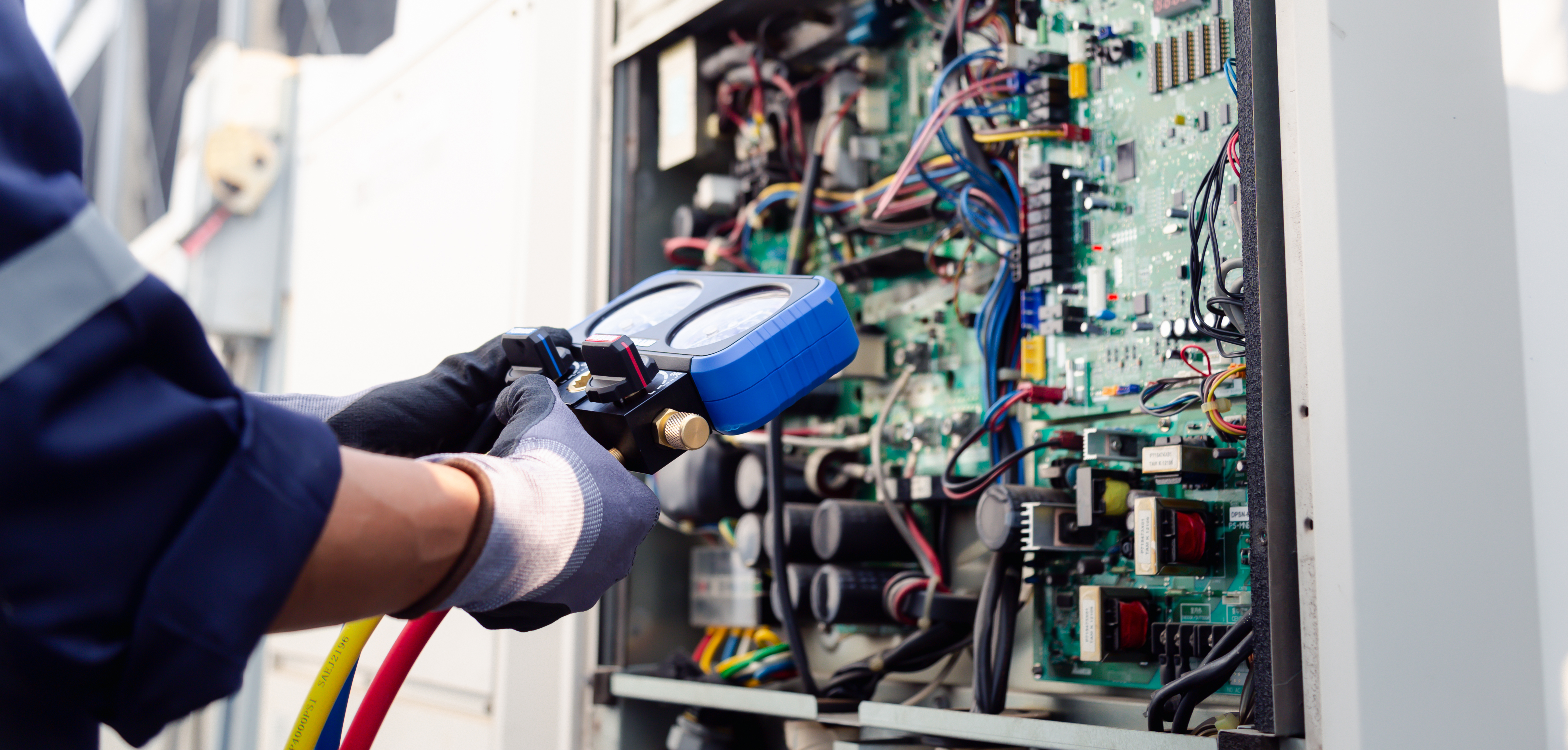
    Unlocking the full potential of your HVAC-R systems requires fine-tuning controls and maximizing efficiency. This helps in managing energy consumption and reducing operational costs.

    VFD and BAS Tuning

    Variable Frequency Drives (VFDs) and Building Automation Systems (BAS) are integral to efficient HVAC-R operation. Regular tuning ensures these systems operate at peak performance. Adjusting setpoints and calibrating sensors can significantly impact energy use.

    Proper tuning reduces wear on components, extending their lifespan. It also allows for better response to varying loads, ensuring your facility remains comfortable even during peak demand.

    Load Shedding Strategies

    Managing energy use during peak periods is crucial. Implement load shedding strategies to reduce consumption without compromising comfort. Identify non-essential loads that can be temporarily turned off or reduced.

    This approach helps lower energy costs and prevent overloading systems. Load shedding can be automated using BAS for seamless integration into your energy management plan.

    Energy Efficiency in Plants

    Energy efficiency is more than just a cost-saving measure; it enhances overall system reliability. Focus on reducing waste and optimizing processes. Consider upgrading to high-efficiency components where feasible.

    Regular energy audits can identify areas for improvement. Implementing changes based on these audits leads to long-term savings and a reduced environmental impact.

    Ensuring Reliability and Compliance
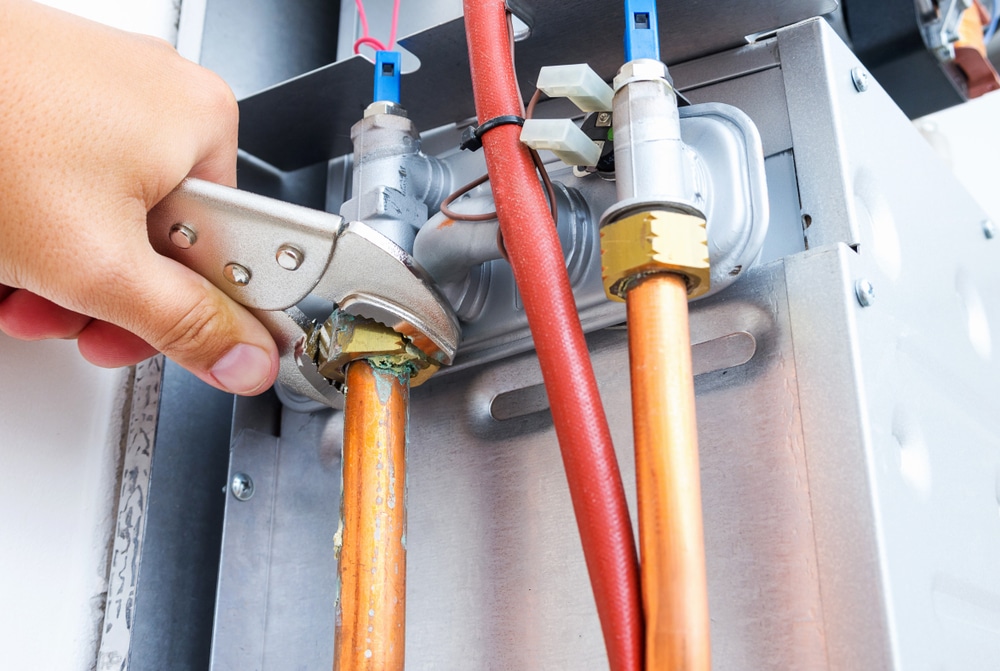
    Reliability and compliance go hand in hand in maintaining a safe, efficient facility. Ensure your systems meet all regulatory standards and are prepared for any eventuality.

    Refrigerant Leak Detection

    Refrigerant leaks can be costly and harmful to the environment. Implement a leak detection program to catch leaks early. Regular checks and maintenance can prevent significant losses and ensure compliance with environmental regulations.

    Compliance with EPA and FDA Standards

    Compliance with standards like EPA’s 608 and FDA’s cGMP is vital. Regularly review your systems and processes to ensure they meet these requirements. Compliance not only avoids penalties but also ensures the safety and reliability of your operations.

    Emergency Response Planning and Redundancy Testing

    Planning for emergencies is essential. Develop a comprehensive response plan and conduct regular redundancy testing. This ensures your facility can quickly recover from unexpected events, minimizing downtime and maintaining safety.

    Frequently Asked Questions

    How often should HVAC-R systems be inspected?
    HVAC-R systems should be inspected at least twice a year, ideally in the spring and fall, to prepare for seasonal changes and peak demands.

    What are the signs of a failing chiller?
    Signs include unusual noises, reduced cooling capacity, and increased energy consumption. Regular maintenance helps catch these issues early.

    How can I improve energy efficiency in my plant?
    Start with regular energy audits to identify areas for improvement. Upgrade to high-efficiency equipment and optimize controls for better energy management.

    Why is refrigerant leak detection important?
    Detecting leaks early prevents costly repairs and environmental damage. It also ensures compliance with environmental regulations.

    What should an emergency response plan include?
    Your plan should cover procedures for different emergency scenarios, a communication strategy, and regular testing to ensure effectiveness.


    Vist our Site

  2. The Essential Checklist for Choosing a Single-Source Industrial Service Partner in Regulated Environments

    Comments Off on The Essential Checklist for Choosing a Single-Source Industrial Service Partner in Regulated Environments

    The Essential Checklist for Choosing a Single-Source Industrial Service Partner in Regulated Environments

    Downtime in regulated industries costs more than money—it risks compliance and safety. Your choice of a single-source industrial service provider directly impacts plant reliability and FDA compliance. This checklist helps you cut through the noise and select a partner who handles everything from mechanical and electrical services to cleanroom and high-purity process piping. Schedule a compliance-ready site assessment and establish 24/7 emergency coverage with Marshall Industrial Technologies. Request your proposal today.

    Evaluating Service Provider Expertise

    Choosing the right partner means looking deep into their capabilities. It’s not just about what they offer but how well they align with your needs.

    Compliance with GMP and FDA Standards

    Your operations depend on strict regulations. Ensuring compliance with GMP and FDA standards is non-negotiable. A top-tier industrial service provider will navigate these regulations smoothly. They should provide detailed documentation and regular audits to keep your processes in check. Most providers claim compliance, but can they prove it? Check their track record and speak with their clients. This will give you a clearer picture. It’s about ensuring that nothing is left to chance.

    Comprehensive Mechanical and Electrical Services

    Imagine a single source for all your mechanical and electrical needs. This is what you should aim for. The benefits are clear: streamlined processes and fewer headaches. A provider offering a wide range of services from installation to repair can save you time. They should handle everything from power distribution to specialized equipment maintenance. This means fewer calls to multiple vendors and more consistent service. Reliable support is vital in avoiding costly disruptions.

    Proven Track Record in Regulated Industries

    Experience matters. A provider with a proven track record in regulated industries is invaluable. They’ve seen it all and know how to handle the unique challenges your industry faces. Look for testimonials and case studies showing their success in your specific field. This experience ensures they know the ins and outs of compliance, safety, and efficiency. It’s about confidence in their ability to support your operations effectively.

    Key Considerations for Reliable Partnership

    Building a reliable partnership starts with understanding what truly matters. Here are the key elements to consider for lasting success.

    Effective Downtime Reduction Strategies

    Downtime is costly. Your service provider should have strategies to minimize it. This includes quick response times and proven methods for maintaining uptime. Consider providers who offer real-time monitoring and predictive alerts. These tools can be game-changers, allowing you to address issues before they escalate. Remember, the right partner doesn’t just fix problems—they prevent them.

    Importance of Preventive and Predictive Maintenance

    Prevention is better than cure. Preventive and predictive maintenance are essential for keeping your operations smooth. Regular inspections and maintenance schedules help avoid unexpected failures. Look for a partner who offers tailored maintenance programs. These should be specific to your equipment and industry needs. It’s about staying ahead of problems and ensuring long-term reliability.

    24/7 Emergency Industrial Repairs

    Emergencies don’t wait for convenient times. That’s why 24/7 availability is crucial. Your provider should be ready to respond at a moment’s notice. This means having a team on standby with the expertise to handle any situation. Quick response times can make a massive difference, minimizing downtime and losses. When you know help is just a call away, it brings peace of mind.

    Advantages of Single-Source Service Providers

    A single-source provider simplifies operations. Here’s why consolidating services under one roof offers significant benefits.

    Benefits of High-Purity and Sanitary Piping

    High-purity and sanitary piping are critical in industries like pharmaceuticals and food processing. A single-source provider ensures these systems are expertly managed. This reduces contamination risks and maintains product quality. They offer consistent standards and streamlined processes. Don’t underestimate the value of having one team handle these sensitive installations. It ensures everything meets the highest standards.

    Value of Cleanroom and HVAC-R Services

    Cleanrooms and HVAC-R services are vital for many industries. A provider who offers both can streamline your service needs. This is about maintaining precise environmental conditions with ease. They should provide custom solutions tailored to your facility’s unique requirements. Managing these services under one provider enhances coordination and efficiency. This results in better performance and fewer disruptions.

    Simplifying Capital Project Installations and Upgrades

    Large-scale projects can be daunting. A single-source provider simplifies capital project installations and upgrades. They manage everything from start to finish, ensuring consistency and quality. This includes planning, execution, and ongoing support. When one provider handles the entire process, it reduces complexity and costs. Trust in their expertise to deliver your projects on time and within budget.

    By understanding these aspects, you equip yourself to make informed decisions. Selecting the right industrial service partner impacts not just your operations, but your peace of mind.

  3. Industrial HVAC-R Innovations: Energy-Efficient Designs and Smart Zoning for High-Performance Plants

    Comments Off on Industrial HVAC-R Innovations: Energy-Efficient Designs and Smart Zoning for High-Performance Plants

    Industrial HVAC-R Innovations: Energy-Efficient Designs and Smart Zoning for High-Performance Plants

    Most industrial HVAC-R systems still waste energy and increase downtime. Your plant deserves better control over energy use and process stability. This post reveals energy-efficient HVAC designs and zoning solutions that cut costs and keep your operations running smoothly. Learn how Marshall Industrial Technologies can deliver tailored solutions for your facility—book your consultation or energy assessment today. For more insights, check out these innovative HVAC designs for modern buildings.

    Energy-Efficient HVAC Designs

    Cutting back on energy use while keeping processes stable is critical for any manufacturing plant. The right HVAC design can make a huge impact on your bottom line.

    Cutting Energy Use in Plants

    Imagine slashing your energy bills without sacrificing comfort or efficiency. With energy-efficient HVAC systems, you can achieve just that. These systems are designed to use less power by optimizing airflow and temperature controls.

    Using smart sensors and automated systems, you can monitor and adjust usage in real time. This means your plant only uses energy when and where it’s needed. Industry experts have reported savings of up to 30% on energy costs with these innovations. For more on cutting-edge HVAC technologies, visit The Cutting Edge: Innovations in Commercial HVAC.

    Stabilizing Manufacturing Processes

    Stability in manufacturing processes is vital to maintain quality and efficiency. By integrating advanced HVAC systems, you ensure that temperature and humidity remain consistent. This keeps your operations smooth and reduces waste.

    These systems allow for precise control, which is crucial in industries like pharmaceuticals and food processing. When conditions are stable, your products meet high standards every time. Many plant managers find that these systems lead to fewer delays and higher output.

    Minimizing Downtime with Advanced Systems

    Nothing disrupts productivity like unexpected downtime. Advanced HVAC systems are built to minimize these interruptions. With predictive maintenance, you can anticipate and address potential issues before they occur.

    By scheduling regular checks and using sensors to monitor system health, your plant stays up and running. This proactive approach not only saves time but also reduces repair costs drastically. Learn more about how innovative technologies impact HVAC systems at EDS Tech.

    Smart HVAC Zoning Solutions

    Let’s explore how tailored zoning solutions can revolutionize your facility’s climate control, ensuring each area gets exactly what it needs.

    Tailored Zoning for Manufacturing

    Every manufacturing facility has unique needs, and tailored zoning ensures that each zone gets the right conditions. Imagine different areas of your plant having independent climate controls. This allows for customized environments that boost comfort and efficiency.

    With zoning systems, you can control each area separately, ensuring optimal conditions based on specific requirements. This means your packaging area stays cool while your assembly line remains warm. For more insights, read about the latest HVAC innovations.

    Variable Frequency Drives in Action

    Variable Frequency Drives (VFDs) adjust motor speed and torque based on demand. This technology greatly reduces energy consumption by operating motors only when needed.

    VFDs are particularly effective in systems with varying load demands. For instance, when your facility doesn’t need full cooling power, VFDs reduce the work done by fans and compressors. This not only saves energy but also prolongs equipment life.

    Demand-Controlled Ventilation Benefits

    Demand-controlled ventilation (DCV) automatically adjusts airflow based on actual need. This ensures that your facility gets fresh air while keeping energy use in check.

    DCV systems use sensors to measure occupancy and air quality, adjusting ventilation rates accordingly. This means no wasted energy on unnecessary ventilation. The result is a more efficient system that keeps your indoor environment healthy and comfortable.

    Comprehensive Industrial HVAC Services

    Bringing it all together, comprehensive HVAC services ensure that your facility is covered from design through maintenance. Let’s see how.

    End-to-End Design-Build Solutions

    From concept to completion, design-build solutions offer a streamlined approach for your HVAC needs. By partnering with experts from the start, you ensure that every aspect is tailored to your facility’s requirements.

    This approach saves time and reduces the complexity of managing multiple contractors. You get a system that’s efficient by design and meets your specific needs. To explore innovative industrial HVAC solutions, check out these stand-out innovations.

    24/7 Emergency HVAC-R Support

    Unexpected HVAC issues can halt production and cost time and money. Having 24/7 emergency support ensures that you’re never caught off guard. With expert technicians available around the clock, your system gets back on track quickly.

    This kind of support means peace of mind for you and your team. Knowing that help is just a call away allows you to focus on what matters most—running your business.

    Retrofit and Maintenance Expertise

    Keeping your HVAC system in top condition requires regular maintenance and occasional retrofits. Expert maintenance services help extend the life of your equipment and improve efficiency.

    Retrofitting existing systems with newer technologies can also offer significant energy savings. By updating components like chillers, you keep your system current and cost-effective. This is a smart investment that pays off in reduced energy bills and improved performance.

    In summary, adopting advanced HVAC systems and smart zoning can transform your facility into a high-performance powerhouse. By partnering with the right experts, you ensure your plant is ready for the future.

  4. Emerging Trends in Industrial HVAC-R: Enhancing Energy Efficiency and Operational Reliability

    Comments Off on Emerging Trends in Industrial HVAC-R: Enhancing Energy Efficiency and Operational Reliability

    Emerging Trends in Industrial HVAC-R: Enhancing Energy Efficiency and Operational Reliability

    Industrial HVAC-R systems are no longer just about keeping your facility running—they’re key to cutting costs and avoiding downtime. New trends in energy efficiency and smart controls are reshaping how you manage HVAC retrofits and predictive maintenance. In this post, you’ll learn which upgrades deliver measurable ROI and how Marshall can be your trusted partner in boosting uptime and compliance. Schedule your no-cost industrial HVAC-R efficiency assessment today and secure 24/7 emergency support. Learn more about these trends here.

    High-Impact Industrial HVAC-R Trends

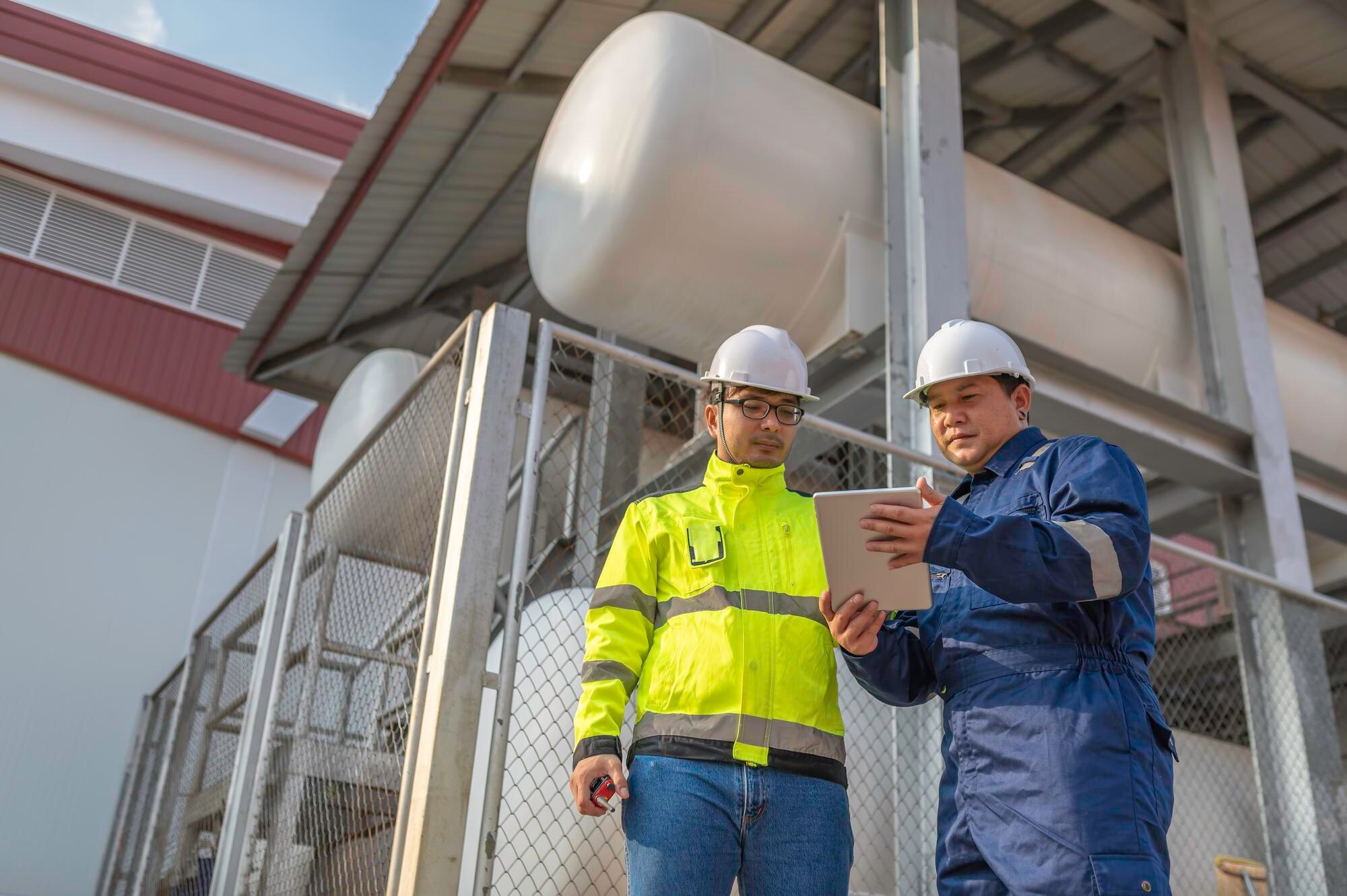
    two industrial workers in hard hats

    Industrial HVAC-R systems are no longer just about keeping your facility running—they’re key to cutting costs and avoiding downtime. The latest trends are reshaping the way HVAC systems are managed, focusing on both energy efficiency and operational reliability. Let’s explore these transformative trends.

    Energy Efficiency Enhancements

    Energy efficiency is more than just a buzzword. It’s about real savings. Upgrading to high-efficiency components can lower your energy bills by up to 30%. Consider variable frequency drives (VFDs). They adjust motor speed to match demand, saving power during low-use periods. Adding demand-controlled ventilation can also cut costs by using sensors to adjust airflow based on occupancy. For a deeper dive into HVAC efficiency, check out this insightful article.

    Want to make your system greener? Look into low-GWP refrigerants like CO2 or ammonia. They reduce environmental impact and may even qualify you for government incentives. Heat recovery systems can be another game-changer, capturing waste heat to preheat incoming air, which further cuts energy use. These upgrades not only save money but also help your facility meet sustainability goals.

    Operational Reliability Advances

    Reliability ensures peace of mind for facility managers. Unexpected downtime is costly, but it can be minimized. Chiller optimization is a prime example. By using advanced controls, you can avoid over-cooling, which not only saves energy but extends the life of your equipment. Process cooling is another area where efficiency can be improved, reducing the likelihood of system failures.

    Think your system is running fine? Consider predictive strategies. Predictive maintenance and condition monitoring use data analytics to anticipate issues before they lead to costly repairs. With these tools, you can schedule maintenance during planned downtime rather than reacting to emergencies. This proactive approach can save your facility thousands in unexpected costs. Dive into these trends to see how you can keep your operations smooth.

    Maximizing ROI from Retrofits

    maximizing retrofit for industrial HVAC-R systems

    Investing in HVAC retrofits can seem daunting, but the returns are substantial. The right upgrades can pay for themselves within a few years. Here’s how to ensure you’re getting the best ROI.

    Smart Controls and BAS Integration

    Smart controls are revolutionizing industrial HVAC-R systems. By integrating them with your Building Automation System (BAS), you can manage energy use more effectively. Smart sensors adjust settings based on real-time data, optimizing energy use. BAS integration allows you to monitor and control your systems from anywhere, reducing the need for on-site management.

    Not convinced? Consider this: facilities with smart controls report up to 15% reduction in energy use. Plus, they provide detailed reports that let you fine-tune operations, maximizing efficiency. For more on smart controls, visit this resource on HVAC innovations.

    Predictive Maintenance and Condition Monitoring

    Predictive maintenance isn’t just a trend—it’s a necessity. By using IIoT monitoring, you can predict failures before they occur. This tech uses real-time data to alert you to potential issues, allowing you to fix them before they cause downtime. Condition monitoring helps maintain peak performance by tracking equipment health continuously.

    Most people think maintenance is all about fixing what’s broken. But with predictive tools, you can avoid breakdowns altogether. The longer you wait to adopt this tech, the more you’re risking costly downtime. Learn how predictive maintenance can transform your HVAC strategy at HVAC industry trends.

    Partnering with Marshall for Success

    two industrial contractors working on industrial HVAC-R and other industrial systems

    Choosing the right partner for your HVAC needs can make all the difference. With Marshall Industrial Technologies, you gain more than just service; you get a partner committed to your success.

    Comprehensive HVAC-R Solutions

    Marshall offers a full suite of HVAC-R services tailored to industrial needs. From installation to maintenance, our team is ready to support your facility with 24/7 emergency service. Our comprehensive solutions ensure your systems run smoothly and efficiently.

    You might think any provider can offer similar services, but our focus on safety, quality, and efficiency sets us apart. Our experienced technicians are always available, ensuring minimal downtime and maximum performance.

    Tailored Services for Industrial Needs

    Every facility is unique, and so are its industrial HVAC-R needs. Marshall specializes in customized solutions that match your specific requirements. Whether you’re in pharmaceuticals needing GMP compliance or in the food and beverage sector requiring precise climate control, we’ve got you covered.

    Our experts will work with you to design, install, and maintain systems that deliver optimal performance. Don’t settle for a one-size-fits-all approach when you can have bespoke solutions that enhance productivity and lower costs.

    In conclusion, staying ahead in the industrial HVAC-R landscape requires embracing new trends and technologies. By focusing on energy efficiency and operational reliability, you can significantly reduce costs and improve system performance. Trusting a partner like Marshall ensures you not only keep up with industry standards but exceed them.

    Vist our Site