
Skip to Content
Exit

Tag Archive: shutdown planning

  1. Peak-Season Readiness Checklist for Mechanical, Electrical, and HVAC-R Systems

    Comments Off on Peak-Season Readiness Checklist for Mechanical, Electrical, and HVAC-R Systems

    Peak season demand pushes your mechanical, electrical, and HVAC-R systems to their limits. Skipping key inspections and tests can lead to costly downtime when you need uptime most. This industrial maintenance checklist highlights critical steps to prepare your facility and reduce risk before the strain begins. Read on to secure your operations with proven readiness strategies and expert support. For more insights, visit our blog.

    Peak-Season Maintenance Essentials

    Preparing your facility for peak season can prevent disruptions and financial losses. This section covers essential checks for your mechanical, electrical, and HVAC-R systems.

    Mechanical System Inspection

    Keep mechanical systems in top shape to avoid unexpected shutdowns. Start by inspecting belts, bearings, and motors for wear. A small issue here can cascade into larger problems. Regular lubrication and cleaning are crucial to prolong the life of these components.

    Check all seals and gaskets for leaks. Leaks can impact both performance and safety, potentially leading to costly repairs. Address these promptly to maintain efficiency. If you’re unsure how to proceed, consult a professional who can provide targeted solutions.

    Electrical Load Testing and IR Thermography

    Electrical systems are the backbone of any facility. Load testing verifies that circuits can handle increased demand. This is vital during peak times. An overload can lead to failures, jeopardizing operations.

    Infrared thermography is a powerful tool for identifying hot spots. These often indicate potential issues like loose connections or overloaded circuits. Identifying these early can save you from expensive repairs later. Utilize this technology to keep your systems secure and efficient.

    HVAC-R Preventive Maintenance

    Don’t let HVAC-R systems become a weak link during peak season. Begin with air filter replacements. Clogged filters force systems to work harder, wasting energy and money. Regular checks on thermostats and controls ensure they’re functioning correctly, maintaining desired temperatures.

    Inspect ductwork for any signs of damage or leaks. These can compromise system efficiency, driving up costs. Address any issues you find to ensure reliable operation. Preventive measures here can keep your facility comfortable and operations smooth.

    Critical Systems Preparation

    As peak season approaches, focusing on system preparation can further enhance reliability. The following checks can help maintain optimal performance.

    Vibration Analysis and Laser Alignment

    Vibration analysis identifies imbalances in rotating equipment. These can lead to premature failures. Regular checks can detect these issues early, allowing for timely corrections. This ensures equipment longevity and reduces downtime.

    Laser alignment is key for efficient machinery operation. Misaligned machines consume more energy and wear out faster. Correcting alignment boosts performance and cuts costs. These processes, though simple, offer significant benefits.

    Chiller Optimization and Cooling Tower Service

    Chillers and cooling towers are vital for thermal regulation. Regular servicing can improve efficiency and lifespan. Start with a thorough cleaning to remove debris that can impede performance.

    Check for corrosion or scaling, which can impact heat transfer. Addressing these issues promptly ensures that your systems run smoothly. Optimizing these systems can result in energy savings and improved reliability.

    Refrigerant Management and BAS Controls Optimization

    Managing refrigerant levels is critical for HVAC-R efficiency. Low levels can strain systems, leading to breakdowns. Regular checks and top-offs prevent these issues. This simple step can save significant costs over time.

    Optimize Building Automation System (BAS) controls to enhance system performance. Proper calibration ensures that systems respond accurately to changes, maximizing comfort and efficiency. Investing time here can yield considerable benefits.

    Strategic Planning and Emergency Services

    Proactive planning and access to emergency services are crucial. This section outlines steps to ensure you’re prepared for any situation.

    Shutdown Planning and Critical Spares Strategy

    Effective shutdown planning minimizes downtime and disruptions. Coordinate schedules to ensure all systems receive necessary attention. This proactive approach reduces the risk of unexpected failures.

    Having a critical spares strategy is equally important. Stock essential parts to avoid delays in repairs. This can be a lifesaver during peak times when quick responses are essential.

    24/7 Emergency Industrial Service

    Access to 24/7 emergency services provides peace of mind. Quick response times can mitigate potential losses during unexpected breakdowns. Knowing you have expert support available around the clock ensures continuous operations.

    Northeast Industrial Services and Reliability Centered Maintenance

    Choosing a reliable service provider is a strategic decision. Look for one with a strong presence in your region. Reliable partners can offer tailored solutions and immediate support, essential during peak season.

    Reliability centered maintenance focuses on preventing failures before they occur. This proactive approach keeps systems running smoothly, enhancing overall operational efficiency. By prioritizing reliability, you can build a more resilient facility.

    Frequently Asked Questions

    What is the importance of mechanical system inspection during peak season?

    Mechanical system inspections are crucial to identify wear and tear that could lead to system failures. Regular checks reduce the risk of unexpected downtime and expensive repairs.

    How does IR thermography benefit my facility’s electrical systems?

    IR thermography can detect hot spots in electrical systems, indicating potential issues. By addressing these early, you can prevent costly failures and ensure safe operation.

    Why should I consider a critical spares strategy?

    A critical spares strategy ensures that essential parts are available when needed. This minimizes downtime and helps maintain continuous operations during peak demand.

    What role does HVAC-R preventive maintenance play in peak season readiness?

    Preventive maintenance ensures HVAC-R systems operate efficiently, reducing energy costs and preventing unexpected breakdowns.

    How can vibration analysis improve machinery performance?

    Vibration analysis helps identify imbalances in machinery, allowing for timely corrections. This enhances performance, extends equipment life, and reduces energy consumption.

  2. Capital Project Installations in the Northeast: A Proven Planning Playbook

    Comments Off on Capital Project Installations in the Northeast: A Proven Planning Playbook

    Capital Project Installations in the Northeast: A Proven Planning Playbook

    Capital project installation in the Northeast demands precise planning to avoid costly delays and safety risks. You need a partner that handles everything from process piping installation to shutdown planning without gaps. This guide shares proven tips to streamline your next manufacturing plant installation and keep your project on schedule. Schedule a no-cost preconstruction planning session to get started. For more insights, visit this link.

    Proven Planning Tips
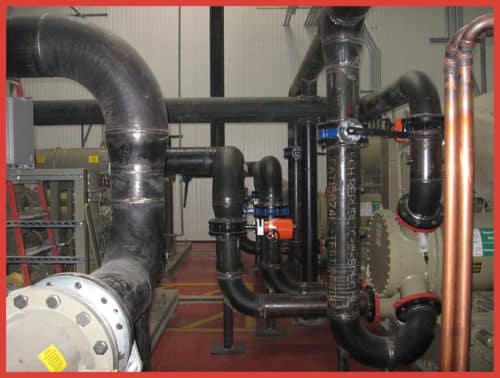
    Let’s dive into the heart of your capital project. Understanding and managing the project scope is crucial. It sets the foundation for successful execution and helps prevent unforeseen challenges.

    Understanding Project Scope

    Start by defining your project’s goals clearly. Ask yourself: What are the specific objectives? Break these down into smaller, manageable tasks. This clarity helps in aligning your team and resources efficiently. Consider all aspects, from design to commissioning. Remember, specifics reduce risks.

    Regular check-ins with stakeholders ensure that you’re on the right track. It helps in identifying any changes needed before they become bigger issues. These meetings can be the difference between a project that flounders and one that thrives.

    Above all, document everything. A well-documented scope acts as a reference point for everyone involved. It ensures that all team members are aligned and working towards the same goals. This is your guide in handling changes and updates seamlessly. For more insights, explore these 10 crucial steps for planning your manufacturing plants construction.

    Scheduling and Resource Allocation

    With the scope defined, scheduling comes next. Efficient schedules keep your project in rhythm. Break tasks into phases and allocate time for each. This helps in managing resources better and reduces downtime.

    Prioritize tasks that are critical to the project timeline. Allocate your best resources to these tasks. This strategic allocation ensures that you have the right skills where they’re most needed. It also helps in anticipating potential roadblocks and addressing them proactively.

    Monitor progress regularly. Use tools to keep track of timelines and resource usage. This helps in making informed decisions and adjustments as needed. Keeping the project on schedule is crucial to avoid cost overruns and maintain quality.

    Safety and Compliance Measures

    Safety should never be compromised. Implement measures that protect your team and equipment. Regular training sessions can help in educating your team about safety protocols. This proactive approach reduces risks and ensures compliance with industry standards.

    Conduct regular audits to ensure that safety measures are not just in place but are effective. These audits help in identifying potential hazards early and address them before they cause harm.

    Stay updated on regulatory changes. Compliance is not just about following rules; it’s about ensuring the well-being of your team and project. This vigilance in safety and compliance builds trust with stakeholders and contributes to project success. For more tips, consider reading about capital planning in manufacturing.

    Partnering with Marshall

    Choosing the right partner is crucial for the success of your project. Marshall offers comprehensive services that ensure your project is executed seamlessly.

    Single-Source Industrial Services

    Marshall is your one-stop solution. From mechanical to electrical and HVAC-R services, we cover everything. This single-source approach reduces the need for multiple contractors and simplifies project management.

    Having all services under one roof means fewer coordination challenges. It improves communication and ensures that all aspects of your project work harmoniously. This leads to smoother execution and fewer delays.

    Expertise in Process Piping and HVAC-R

    Our expertise in process piping installation and HVAC-R systems sets us apart. We understand the intricacies of these systems and deliver solutions tailored to your needs.

    We ensure that our installations meet high standards of quality and efficiency. Our team uses the latest technologies and practices to deliver systems that enhance your facility’s operations. This focus on quality ensures long-term reliability and performance.

    Emergency Support and Maintenance

    Unexpected issues can arise at any time. That’s why we offer 24/7 emergency support. Our team is ready to respond promptly, minimizing downtime and disruption to your operations.

    Regular maintenance is part of our offering. It keeps your systems running smoothly and extends their lifespan. Our proactive approach to maintenance helps in identifying potential issues before they become major problems. For more details, check out this resource about shutdown planning.

    Ensuring Project Success

    Once your project is underway, focus on strategies that ensure its success. This includes thorough reviews and careful planning.

    Importance of Constructability Reviews

    Constructability reviews are vital. They help in identifying potential issues early in the design phase. This proactive approach prevents costly changes later in the project.

    Engage experts to conduct these reviews. Their insights can help in optimizing designs for better execution. It ensures that the project is feasible and can be completed as planned.

    Effective Shutdown Planning

    Shutdowns are critical phases. Plan them carefully to minimize impact on operations. Develop a detailed plan outlining each step and allocate resources accordingly. This ensures that shutdowns are completed efficiently and on time.

    Communicate with all stakeholders involved. This includes your team, suppliers, and clients. Clear communication ensures that everyone knows their roles and responsibilities, reducing confusion and delays.

    Commissioning and Validation Support

    Commissioning and validation are the final steps before project completion. They ensure that all systems function as intended. This final check is crucial for project success and regulatory compliance.

    Conduct thorough tests and validations. These checks ensure that every component is working according to specifications. It gives you confidence that your project will operate smoothly once it becomes fully operational.

    In conclusion, effective planning and the right partner ensure the success of your capital project. Stay proactive, communicate clearly, and never compromise on safety and quality. Choose Marshall as your trusted partner for seamless project execution.