Skip to Content
Exit

Tag Archive: vibration analysis

  1. Late-Summer Peak Demand: Prepare Your Industrial HVAC-R Systems Now

    Comments Off on Late-Summer Peak Demand: Prepare Your Industrial HVAC-R Systems Now

    Late-summer peak demand puts industrial HVAC-R systems under intense pressure. You can’t afford unexpected downtime or unstable process cooling when production depends on it. This post lays out a precise readiness plan to keep your chillers, cooling towers, and controls tuned for peak loads. Book a Late-Summer HVAC-R Readiness Assessment today. Contact our 24/7 team to schedule preventive maintenance, controls tuning, and emergency coverage. Learn more about peak demand and its impact on building performance.

    Preparing for Peak Demand

    To ensure your industrial HVAC-R systems can handle late-summer demands, a proactive approach is key. Begin by evaluating the current condition of your equipment and addressing any potential issues.

    Assessing Your HVAC-R Systems

    Start by conducting a thorough assessment of your HVAC-R systems. Look for signs of wear and tear, and pay special attention to components like compressors and fans. Regular inspections can help you identify potential problems before they lead to breakdowns. Engage skilled technicians to perform checks and ensure all systems are operating within optimal parameters.

    Next, consider the age of your equipment. Older systems might struggle during peak demand periods, so it may be time to plan for upgrades or replacements. This proactive step can prevent costly downtime and ensure continued reliability.

    Importance of Chiller Maintenance

    Chillers are crucial in keeping your facility cool, especially during late-summer peaks. Ensure they receive regular maintenance to avoid unexpected failures. Clean and inspect condenser coils, check refrigerant levels, and monitor system pressures.

    Regular maintenance helps maintain energy efficiency and prolongs the life of your chillers. If you notice any unusual noises or a drop in performance, address these immediately. Early intervention can prevent more significant issues down the line.

    Cooling Tower and Coil Cleaning

    Cooling towers play a vital role in your HVAC-R systems. Keeping them clean improves efficiency and prevents system malfunctions. Regularly remove scale, sediment, and biological growth to ensure optimal performance.

    Cleaning coils is equally important. Dirty coils can reduce system efficiency, leading to increased energy consumption and operating costs. Make coil cleaning a part of your regular maintenance routine to keep your systems running smoothly.

    Optimizing Controls and Efficiency
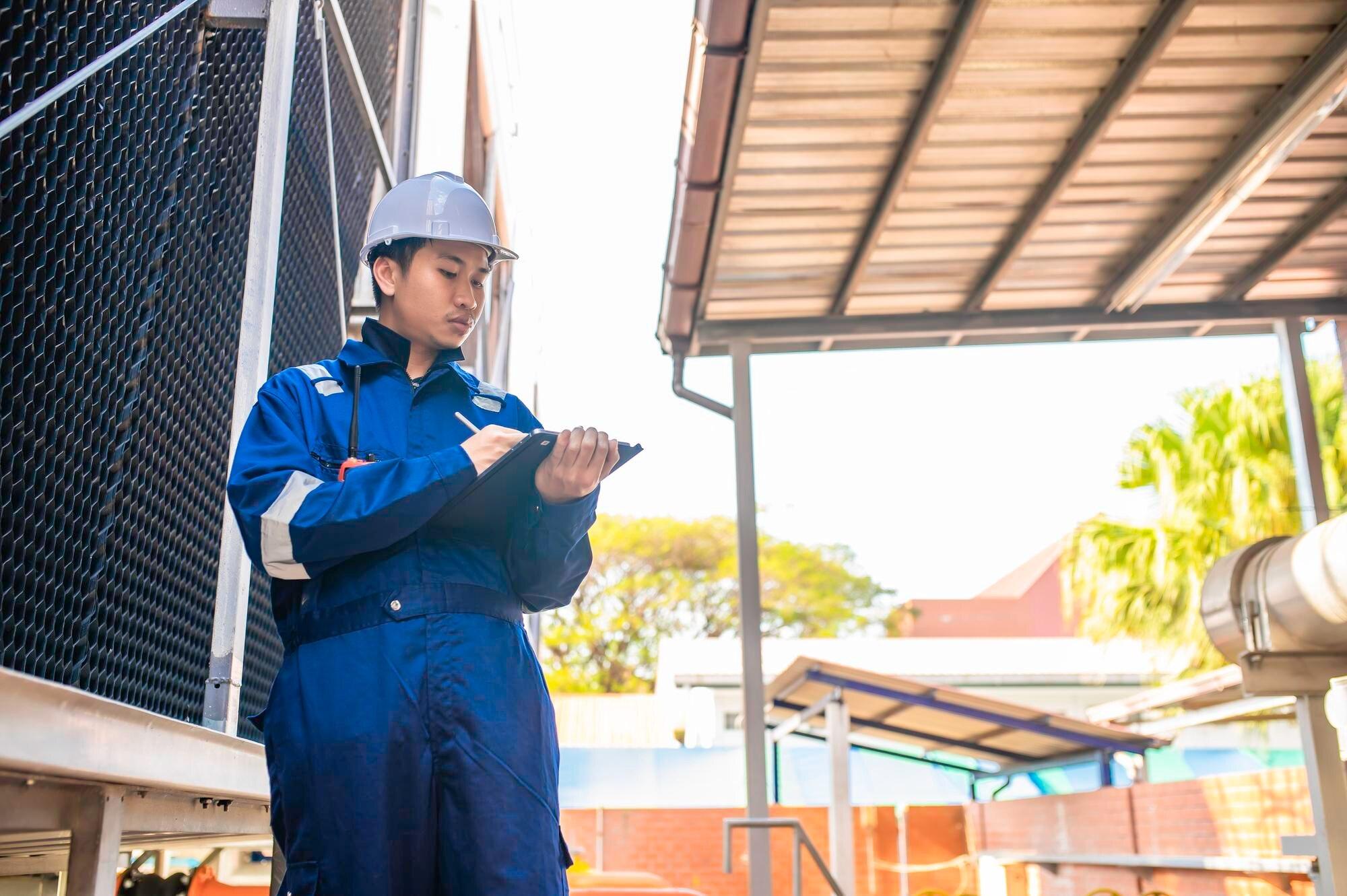
    Unlocking the full potential of your HVAC-R systems requires fine-tuning controls and maximizing efficiency. This helps in managing energy consumption and reducing operational costs.

    VFD and BAS Tuning

    Variable Frequency Drives (VFDs) and Building Automation Systems (BAS) are integral to efficient HVAC-R operation. Regular tuning ensures these systems operate at peak performance. Adjusting setpoints and calibrating sensors can significantly impact energy use.

    Proper tuning reduces wear on components, extending their lifespan. It also allows for better response to varying loads, ensuring your facility remains comfortable even during peak demand.

    Load Shedding Strategies

    Managing energy use during peak periods is crucial. Implement load shedding strategies to reduce consumption without compromising comfort. Identify non-essential loads that can be temporarily turned off or reduced.

    This approach helps lower energy costs and prevent overloading systems. Load shedding can be automated using BAS for seamless integration into your energy management plan.

    Energy Efficiency in Plants

    Energy efficiency is more than just a cost-saving measure; it enhances overall system reliability. Focus on reducing waste and optimizing processes. Consider upgrading to high-efficiency components where feasible.

    Regular energy audits can identify areas for improvement. Implementing changes based on these audits leads to long-term savings and a reduced environmental impact.

    Ensuring Reliability and Compliance
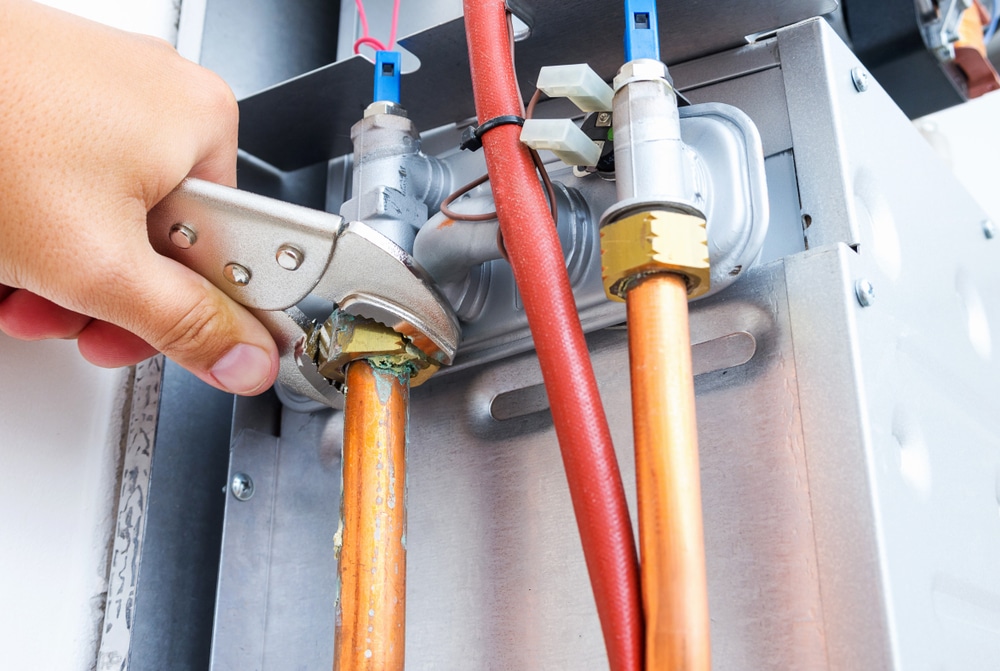
    Reliability and compliance go hand in hand in maintaining a safe, efficient facility. Ensure your systems meet all regulatory standards and are prepared for any eventuality.

    Refrigerant Leak Detection

    Refrigerant leaks can be costly and harmful to the environment. Implement a leak detection program to catch leaks early. Regular checks and maintenance can prevent significant losses and ensure compliance with environmental regulations.

    Compliance with EPA and FDA Standards

    Compliance with standards like EPA’s 608 and FDA’s cGMP is vital. Regularly review your systems and processes to ensure they meet these requirements. Compliance not only avoids penalties but also ensures the safety and reliability of your operations.

    Emergency Response Planning and Redundancy Testing

    Planning for emergencies is essential. Develop a comprehensive response plan and conduct regular redundancy testing. This ensures your facility can quickly recover from unexpected events, minimizing downtime and maintaining safety.

    Frequently Asked Questions

    How often should HVAC-R systems be inspected?
    HVAC-R systems should be inspected at least twice a year, ideally in the spring and fall, to prepare for seasonal changes and peak demands.

    What are the signs of a failing chiller?
    Signs include unusual noises, reduced cooling capacity, and increased energy consumption. Regular maintenance helps catch these issues early.

    How can I improve energy efficiency in my plant?
    Start with regular energy audits to identify areas for improvement. Upgrade to high-efficiency equipment and optimize controls for better energy management.

    Why is refrigerant leak detection important?
    Detecting leaks early prevents costly repairs and environmental damage. It also ensures compliance with environmental regulations.

    What should an emergency response plan include?
    Your plan should cover procedures for different emergency scenarios, a communication strategy, and regular testing to ensure effectiveness.
    Vist our Site

  2. Reduce Downtime with Coordinated Mechanical, Electrical, HVAC-R, and Piping Support

    Comments Off on Reduce Downtime with Coordinated Mechanical, Electrical, HVAC-R, and Piping Support

    Industrial downtime reduction demands more than quick fixes. Your mechanical, electrical, HVAC-R, and piping systems must work in sync to keep production steady. Coordinating these trades stops small issues from snowballing into costly shutdowns. Read on to learn how integrated multi-trade services cut downtime and boost plant reliability across your facility. Schedule a plant reliability assessment today and see the difference coordinated support makes. Read more here.

    Coordinated Multi-Trade Services

    Reducing Industrial Downtime

    Keeping your plant running smoothly requires more than just quick fixes. When different systems work together, unexpected stoppages can be avoided. This ensures steady production and minimizes costs.

    Single-source industrial services bring everything under one roof. When you consolidate your service needs, you reduce the chances of gaps or overlaps in maintenance. This means every piece of equipment works when you need it, preventing costly shutdowns.

    Multi-trade coordination is like having a team of experts who know how to play well together. By connecting mechanical, electrical, HVAC-R, and piping systems, you stop small issues before they become big problems. Curious about how this works? Let’s dig into some key techniques.

    Benefits of Single-Source Solutions

    Choosing a single-source service provider offers simplicity and peace of mind. Imagine having just one number to call for any industrial service need. This not only saves time but also ensures consistency in service delivery.

    With integrated services, there’s no need to juggle different contractors. Your operations benefit from streamlined processes and reduced downtime. The result: smoother transitions and fewer interruptions.

    Think of it this way: when all parts of your facility are managed under one umbrella, coordination improves. Each system supports the others, creating a robust defense against unexpected issues. Interested in learning more? Explore the techniques that make this approach work.

    Multi-Trade Coordination Techniques

    Bringing trades together means more efficient problem-solving. A coordinated approach ensures that each system complements the others. This enhances overall plant reliability.

    Techniques include:

    1. Regular Cross-Discipline Meetings: Keeping all your teams on the same page ensures everyone knows what the others are doing.

    2. Shared Technology Platforms: Using common tools allows for seamless information sharing and quick decision-making.

    3. Coordinated Maintenance Schedules: Aligning service times helps prevent unexpected breakdowns and ensures all systems are checked regularly.

    Ready to see these strategies in action? Next, let’s dive into the key services that support your facility’s needs.

    Key Service Offerings

    Mechanical Maintenance Best Practices

    Mechanical services form the backbone of industrial operations. Keeping machines in top shape avoids disruptions and extends their lifespan.

    Start with regular inspections: This helps spot wear and tear early. By catching issues before they escalate, you save both time and money. Routine checks can prevent minor problems from becoming major headaches.

    Consider using advanced tools: Vibration analysis and thermal imaging are powerful methods. They detect potential issues that might not be visible to the naked eye. This proactive approach ensures your machinery runs smoothly.

    Looking for more insights? Discover how our electrical services and safety measures play a crucial role.

    Electrical Services and Safety

    Electrical systems are vital for powering industrial facilities. Keeping them safe and functional is a top priority.

    Routine electrical maintenance prevents failures that can halt production. This includes regular inspections of circuit breakers, transformers, and wiring systems. By ensuring these elements are in good condition, you reduce the risk of unexpected outages.

    Safety is paramount: An arc flash assessment helps protect both equipment and personnel. It identifies potential hazards and ensures compliance with safety standards.

    Curious about how our HVAC-R and process piping services fit in? Let’s explore their role in maintaining facility efficiency.

    HVAC-R and Process Piping Insights

    HVAC-R systems and piping are essential for maintaining optimal conditions. They ensure the right temperature and humidity levels, crucial for many industries.

    Regular HVAC-R maintenance keeps systems running efficiently. This includes cleaning filters, checking fluid levels, and scheduling annual tune-ups. These steps maintain indoor air quality and reduce energy consumption.

    Process piping should be checked for leaks and corrosion. This guarantees seamless operation and prevents costly repairs. Proper management of these systems can significantly cut downtime, as detailed in this guide on industrial piping systems.

    Ready to delve into the advanced techniques that keep your plant performing at its best? Let’s explore predictive and preventive maintenance next.

    Advanced Predictive and Preventive Maintenance

    Importance of Predictive Maintenance

    Predictive maintenance uses technology to forecast when equipment might fail. This foresight allows you to address issues before they impact operations.

    Implementing predictive techniques involves: Regularly monitoring equipment performance using sensors and analytics. This helps detect patterns that indicate potential failures. By acting on this data, you can schedule maintenance at convenient times, minimizing disruptions.

    The payoff is clear: Reduced downtime and extended equipment life. Knowing what’s coming allows you to plan effectively. Interested in more ways to keep your facility running smoothly? Let’s move on to preventive strategies.

    Implementing Preventive Maintenance Strategies

    Preventive maintenance involves regularly scheduled checks, even when equipment appears to be working fine. This proactive approach keeps everything in top condition.

    Focus on routine tasks like: Lubricating moving parts, tightening loose connections, and replacing worn components. These simple actions can prevent more significant problems down the line.

    Scheduling is key: Regularly planned maintenance avoids surprises and ensures your facility stays productive. Want to know how to handle emergencies when they arise? Keep reading for solutions.

    Emergency Industrial Repair Solutions

    When unexpected problems occur, quick response is essential. Emergency industrial repair services are available to address these urgent needs.

    Our team is ready 24/7 for any repair situation. Whether it’s a mechanical breakdown or electrical failure, rapid intervention minimizes downtime and reduces costs. Quick fixes are vital to keeping operations on track.

    Speed and expertise matter: Having access to skilled technicians ensures that repairs are done right the first time. Want to be prepared for any situation? A comprehensive service partner makes all the difference.

    In conclusion, coordinated services and preventive strategies are your best defense against downtime. By integrating mechanical, electrical, HVAC-R, and piping support, you ensure smooth operations. Ready to explore these solutions further? Reach out to our experts today.

  3. Essential steps for rapid emergency industrial repairs: Minimize production loss with integrated mechanical, electrical, and HVAC-R response

    Comments Off on Essential steps for rapid emergency industrial repairs: Minimize production loss with integrated mechanical, electrical, and HVAC-R response

    Essential steps for rapid emergency industrial repairs: Minimize production loss with integrated mechanical, electrical, and HVAC-R response

    Unexpected breakdowns in your facility can halt production in minutes, costing you thousands by the hour. Rapid emergency industrial repairs demand a clear, coordinated approach across mechanical, electrical, and HVAC-R systems to keep downtime minimal. You’ll learn the essential steps to streamline your emergency response and protect your throughput with expert service from a trusted industrial maintenance partner. Contact our 24/7 Emergency Response Team to set up a Priority Response Plan and safeguard your operations. Visit our site for more information.

    Proven Emergency Repair Framework

    In emergency industrial repairs, a structured plan ensures swift action and minimizes disruptions. Let’s explore how a clear framework can make a difference.

    Step-by-Step Repair Strategy

    Every minute counts during an emergency. Here’s how to manage repairs efficiently:

    1. Assess the Situation: Quickly identify the problem area. Use tools like thermal imaging or vibration analysis to locate issues.

    2. Prioritize Tasks: Determine which repairs will restore function fastest. This reduces downtime and protects throughput.

    3. Deploy Experts: Engage specialists in mechanical, electrical, or HVAC-R services. They offer targeted solutions that save time and cost.

    4. Review and Learn: After resolving the issue, analyze the root cause. This helps prevent future breakdowns and improves your system’s reliability.

    A well-executed strategy not only addresses the immediate problem but also enhances your facility’s resilience against future disruptions.

    Cross-Trade Repair Coordination

    Effective repair coordination across different trades is crucial. Here’s how to achieve seamless collaboration:

    • Communicate Clearly: Ensure that all teams understand the scope and priorities of the repair. This minimizes overlaps and gaps in service.

    • Utilize a Single-Source Partner: Partnering with an industrial maintenance provider ensures all services are aligned and executed without delay.

    Imagine a scenario where a mechanical failure coincides with an electrical glitch. Without proper coordination, resolving these issues separately can prolong downtime. By integrating efforts, you streamline repairs and reduce overall impact.

    Integrated Mechanical Services

    Mechanical failures can bring operations to a halt. Integrated services ensure your machinery is back online swiftly.

    Rapid Mechanical Repair Services

    When machines stop, productivity suffers. Here’s how rapid repair services can help:

    • 24/7 Availability: Our team is ready around the clock to tackle any mechanical issue, minimizing downtime.

    • On-Site Portable Machining: This service allows repairs to be made directly, avoiding transport delays.

    Most people think they need to wait for a machine shop to repair big issues, but on-site machining changes the game. It’s faster and just as effective.

    Process Piping and Millwright Expertise

    Complex systems demand skilled hands. Here’s what our team offers:

    • Expert Millwrights: Precision in machinery alignment and installation ensures optimal performance.

    • Custom Process Piping: Our custom solutions address unique challenges across industries like pharmaceuticals and food processing.

    With our millwright services, you gain the assurance of precision and safety, critical in high-stakes environments.

    Advanced Electrical and HVAC-R Solutions

    Electrical and HVAC-R systems are the backbone of your facility. Let’s delve into solutions that keep them running smoothly.

    Industrial Electrical Troubleshooting

    Electrical issues can be daunting. Here’s how we simplify the process:

    • Root Cause Analysis: Identifying the core problem prevents recurring issues.

    • PLC Troubleshooting: Our focus on programmable logic controllers ensures your systems operate flawlessly.

    Many assume electrical problems are unpredictable, but with predictive maintenance, you can anticipate and mitigate them before they occur.

    HVAC-R Emergency Service Essentials

    A climate system failure spells trouble. Let’s explore essential emergency response:

    • Quick Diagnostics: We quickly pinpoint issues in cooling, heating, or ventilation systems.

    • Chiller and Boiler Repair: We offer comprehensive solutions, from simple fixes to complex overhauls.

    Routine checks often reveal hidden problems. By addressing them with HVAC-R emergency service, you maintain comfort and operational efficiency.

    For those seeking a reliable partner in the Northeast’s industrial hub, Marshall Industrial Technologies stands ready. Our comprehensive services ensure your facility remains productive and compliant. Reach out today to explore how we can support your maintenance and emergency needs.

    For more on comprehensive HVAC services, visit Hetter Heating or to engage with emergency HVAC solutions, see Service Experts.

    Vist our Site

  4. Proactive Industrial Maintenance Planning: Minimize Downtime. Meet Compliance. Win Capacity.

    Comments Off on Proactive Industrial Maintenance Planning: Minimize Downtime. Meet Compliance. Win Capacity.

    Proactive Industrial Maintenance Planning: Minimize Downtime. Meet Compliance. Win Capacity.

    Downtime drains productivity and puts compliance at risk. You need a proactive maintenance plan that cuts unplanned stops and keeps your plant OSHA compliant. This guide breaks down industrial maintenance planning essentials so you can reduce downtime, control risk, and meet regulatory demands with confidence. Ready to build a maintenance strategy that works? Schedule a Maintenance Planning Assessment today.

    Proactive Maintenance Essentials

    Crafting a maintenance strategy that preemptively tackles potential issues is vital. Focus on minimizing downtime and ensuring compliance with industry standards.

    Building a Risk-Reduction Strategy

    Imagine a day when your operations face zero interruptions. Sounds like a dream, right? By understanding and mitigating risks, you can make it a reality. Start by identifying the most vulnerable areas in your facility. Which machines show wear and tear faster? Which processes are prone to frequent breakdowns? Regular inspections and data collection can highlight these weak points. Once identified, prioritize tasks based on risk levels.

    Consider incorporating predictive maintenance tools. These use real-time data to forecast potential failures. For instance, vibration analysis can detect imbalances in rotating equipment. With such insights, you can schedule timely interventions, preventing costly downtime. Learn more about reducing downtime with industrial maintenance techniques.

    Ensuring Regulatory Compliance

    Staying compliant isn’t just about avoiding penalties; it’s about ensuring safety. Regulations like OSHA set standards to protect your workforce. Regular audits can help you stay on top of these requirements. But it doesn’t stop there. Compliance also involves maintaining records of all maintenance activities. This documentation provides proof of diligence in case of inspections.

    In industries like food and pharmaceuticals, regulations are even more stringent. Ensuring FDA cGMP compliance means adhering to cleanliness and operational standards at all times. Have a dedicated team or partner who understands these nuances and keeps your facility in line with industry norms. Explore effective compliance strategies here.

    Advanced Condition Monitoring Techniques

    Taking your maintenance strategy a step further involves adopting advanced techniques. Here’s where technology can truly make a difference.

    Vibration and Ultrasound Testing

    Ever wonder how to catch equipment issues before they escalate? Vibration and ultrasound testing are your answers. Vibration analysis identifies imbalances and misalignments in machinery. For example, a pump operating at 5% above normal vibration levels might indicate a bearing issue. Addressing this early saves you from unexpected failures.

    Ultrasound testing complements this by detecting leaks and electrical discharges. It’s like having super-hearing for your machines. This method can pinpoint air and gas leaks, which, if ignored, can cost thousands annually. Together, these tests form a powerful duo, offering insights that prevent costly breakdowns.

    Thermal Imaging and Oil Analysis

    Thermal imaging is another game-changer. It visualizes temperature variations, highlighting overheating components. For instance, a motor that’s consistently hotter than its counterparts suggests an impending failure. Addressing such anomalies can avert costly replacements.

    Oil analysis, on the other hand, acts as your equipment’s blood test. By examining oil samples, you can detect contamination or wear particles. This insight helps you decide when to replace parts or fluids, optimizing performance. Together, these techniques bolster your maintenance strategy, ensuring smooth operations and reduced downtime.

    Partnering with Marshall Industrial Technologies

    Now that you have a grasp on proactive maintenance, consider a partner who can execute these strategies seamlessly.

    Comprehensive Service Offerings

    At Marshall Industrial Technologies, we pride ourselves on offering a full suite of services. From mechanical and electrical to HVAC-R, we cover all your industrial needs. Our team is equipped to handle everything from routine maintenance to complex installations. Whether it’s designing process piping systems or ensuring cleanroom compliance, we’ve got you covered.

    Our expertise isn’t just limited to routine tasks. We excel in high-purity and regulated environments, ensuring your operations meet the strictest standards. And with our strategic presence in the Northeast, we’re always ready to serve you efficiently.

    Emergency Repair and Rapid Response

    When unexpected issues arise, you need a partner who responds swiftly. Our emergency repair services are available around the clock. We understand that every minute counts in reducing downtime. Our team mobilizes quickly, diagnosing and addressing issues with precision.

    Most companies think they’re prepared for emergencies, but are they truly ready? With Marshall Industrial Technologies by your side, you can be confident that you’re never alone. Our reliability and quick response ensure that your operations resume seamlessly, minimizing any impact on productivity.

    In conclusion, by adopting a proactive maintenance strategy and partnering with experts like Marshall Industrial Technologies, you can minimize downtime, ensure compliance, and optimize your facility’s performance. Don’t wait for problems to arise; take charge today and keep your operations running smoothly.

    Vist our Site