



Late-Summer Peak Demand: Prepare Your Industrial HVAC-R Systems Now
Comments Off on Late-Summer Peak Demand: Prepare Your Industrial HVAC-R Systems NowLate-summer peak demand puts industrial HVAC-R systems under intense pressure. You can’t afford unexpected downtime or unstable process cooling when production depends on it. This post lays out a precise readiness plan to keep your chillers, cooling towers, and controls tuned for peak loads. Book a Late-Summer HVAC-R Readiness Assessment today. Contact our 24/7 team to schedule preventive maintenance, controls tuning, and emergency coverage. Learn more about peak demand and its impact on building performance.
Preparing for Peak Demand
To ensure your industrial HVAC-R systems can handle late-summer demands, a proactive approach is key. Begin by evaluating the current condition of your equipment and addressing any potential issues.
Assessing Your HVAC-R Systems
Start by conducting a thorough assessment of your HVAC-R systems. Look for signs of wear and tear, and pay special attention to components like compressors and fans. Regular inspections can help you identify potential problems before they lead to breakdowns. Engage skilled technicians to perform checks and ensure all systems are operating within optimal parameters.
Next, consider the age of your equipment. Older systems might struggle during peak demand periods, so it may be time to plan for upgrades or replacements. This proactive step can prevent costly downtime and ensure continued reliability.
Importance of Chiller Maintenance
Chillers are crucial in keeping your facility cool, especially during late-summer peaks. Ensure they receive regular maintenance to avoid unexpected failures. Clean and inspect condenser coils, check refrigerant levels, and monitor system pressures.
Regular maintenance helps maintain energy efficiency and prolongs the life of your chillers. If you notice any unusual noises or a drop in performance, address these immediately. Early intervention can prevent more significant issues down the line.
Cooling Tower and Coil Cleaning
Cooling towers play a vital role in your HVAC-R systems. Keeping them clean improves efficiency and prevents system malfunctions. Regularly remove scale, sediment, and biological growth to ensure optimal performance.
Cleaning coils is equally important. Dirty coils can reduce system efficiency, leading to increased energy consumption and operating costs. Make coil cleaning a part of your regular maintenance routine to keep your systems running smoothly.
Optimizing Controls and Efficiency
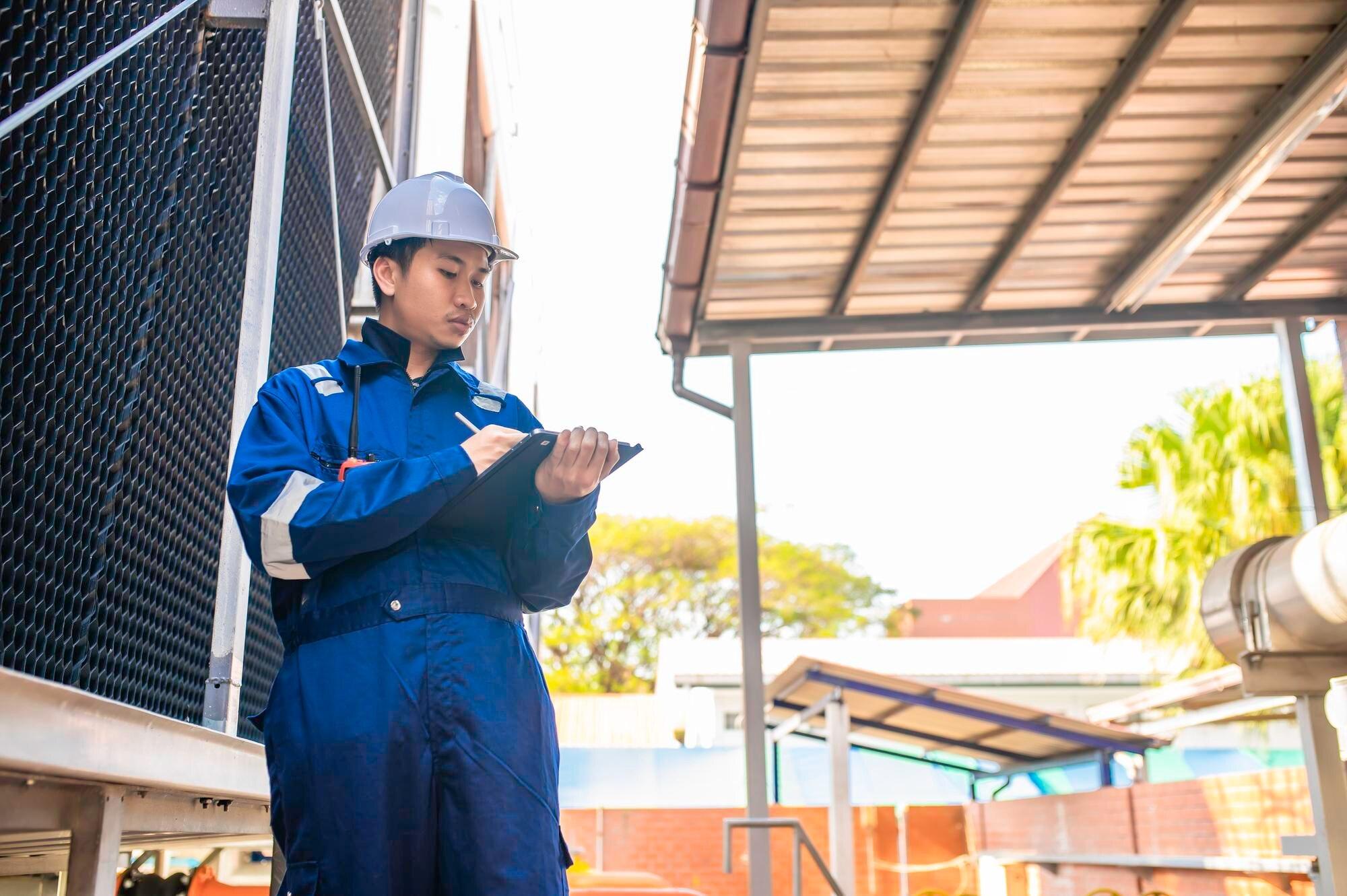
Unlocking the full potential of your HVAC-R systems requires fine-tuning controls and maximizing efficiency. This helps in managing energy consumption and reducing operational costs.
VFD and BAS Tuning
Variable Frequency Drives (VFDs) and Building Automation Systems (BAS) are integral to efficient HVAC-R operation. Regular tuning ensures these systems operate at peak performance. Adjusting setpoints and calibrating sensors can significantly impact energy use.
Proper tuning reduces wear on components, extending their lifespan. It also allows for better response to varying loads, ensuring your facility remains comfortable even during peak demand.
Load Shedding Strategies
Managing energy use during peak periods is crucial. Implement load shedding strategies to reduce consumption without compromising comfort. Identify non-essential loads that can be temporarily turned off or reduced.
This approach helps lower energy costs and prevent overloading systems. Load shedding can be automated using BAS for seamless integration into your energy management plan.
Energy Efficiency in Plants
Energy efficiency is more than just a cost-saving measure; it enhances overall system reliability. Focus on reducing waste and optimizing processes. Consider upgrading to high-efficiency components where feasible.
Regular energy audits can identify areas for improvement. Implementing changes based on these audits leads to long-term savings and a reduced environmental impact.
Ensuring Reliability and Compliance
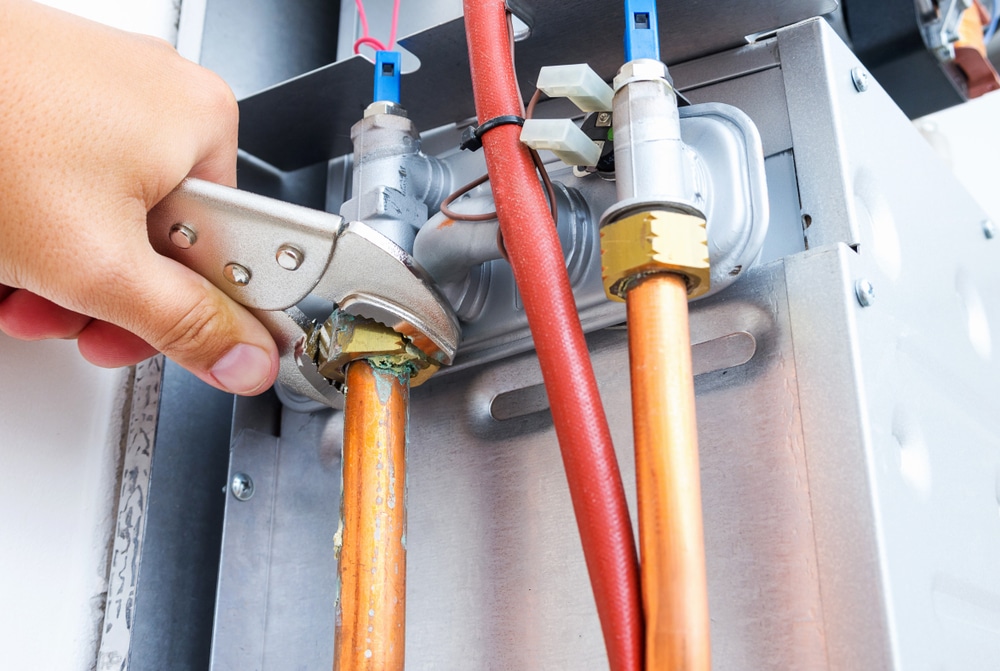
Reliability and compliance go hand in hand in maintaining a safe, efficient facility. Ensure your systems meet all regulatory standards and are prepared for any eventuality.
Refrigerant Leak Detection
Refrigerant leaks can be costly and harmful to the environment. Implement a leak detection program to catch leaks early. Regular checks and maintenance can prevent significant losses and ensure compliance with environmental regulations.
Compliance with EPA and FDA Standards
Compliance with standards like EPA’s 608 and FDA’s cGMP is vital. Regularly review your systems and processes to ensure they meet these requirements. Compliance not only avoids penalties but also ensures the safety and reliability of your operations.
Emergency Response Planning and Redundancy Testing
Planning for emergencies is essential. Develop a comprehensive response plan and conduct regular redundancy testing. This ensures your facility can quickly recover from unexpected events, minimizing downtime and maintaining safety.
Frequently Asked Questions
How often should HVAC-R systems be inspected?
HVAC-R systems should be inspected at least twice a year, ideally in the spring and fall, to prepare for seasonal changes and peak demands.
What are the signs of a failing chiller?
Signs include unusual noises, reduced cooling capacity, and increased energy consumption. Regular maintenance helps catch these issues early.
How can I improve energy efficiency in my plant?
Start with regular energy audits to identify areas for improvement. Upgrade to high-efficiency equipment and optimize controls for better energy management.
Why is refrigerant leak detection important?
Detecting leaks early prevents costly repairs and environmental damage. It also ensures compliance with environmental regulations.
What should an emergency response plan include?
Your plan should cover procedures for different emergency scenarios, a communication strategy, and regular testing to ensure effectiveness.
Leveraging Marshall’s Expertise in Recycling Facility Maintenance
Comments Off on Leveraging Marshall’s Expertise in Recycling Facility MaintenanceLeveraging Marshall’s Expertise in Recycling Facility Maintenance
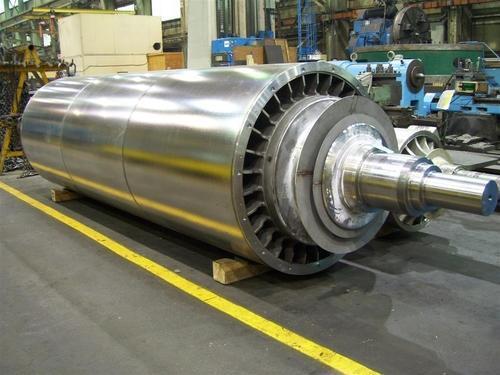
Marshall has a long history of providing manpower of shutdown work, equipment repair and installations, and machinging and fabrication work on all components with a recycling facility. These include gearboxes, extractor shafts, rolls, trunions, resurfacing high-wear components, and more. Our specialized knowledge in managing shutdown work and maintenance projects can greatly enhance operational efficiency and reliability.
Shutdown Work: Ensuring Minimal Disruption
Marshall’s team expertly handles shutdown work, minimizing operational downtime. By strategically planning and executing shutdowns, we ensure that maintenance activities are completed efficiently without interrupting critical operations. Our approach not only reduces the risk of unexpected breakdowns but also extends the longevity of your equipment.
Comprehensive Maintenance Projects
Regular maintenance is crucial for the sustainable operation of recycling facilities. Marshall’s proven maintenance strategies focus on optimizing performance and minimizing energy consumption. By maintaining critical components such as conveyor systems, balers, and shredders, our maintenance projects help reduce operational costs and improve system reliability.
Trash-to-Electric Stations: Enhancing Energy Efficiency
For trash-to-electric generating stations, optimizing energy production is paramount. Marshall’s team ensures that all systems function at peak efficiency, from feedstock processing to power generation. Our maintenance services include thorough inspections and performance assessments, leading to enhanced energy output and reduced waste.
Custom Solutions for Unique Challenges
Every facility has unique challenges. Marshall Industrial Technologies provides tailored maintenance solutions that address the specific needs of your operations. Our collaborative approach involves working closely with your team to understand your goals and deliver solutions that maximize productivity and efficiency.
Building Long-term Partnerships
Marshall is more than a service provider; we are a partner. We build long-term relationships with our clients, offering ongoing support and expertise to ensure that your facilities continue to operate smoothly and efficiently. Our commitment is to be there every step of the way, providing assistance whenever needed.
Discover how Marshall Industrial Technologies can transform your recycling facility and trash-to-electric generating station operations. Visit Marshall Industrial Technologies to learn more about our services and how we can help your facility achieve peak performance.
Expert Machining and Fabrication Services
At the heart of our maintenance and repair operations is our state-of-the-art machine shop. Equipped with the latest tools and technologies, our machine shop is where the magic happens. Our skilled machinists and fabricators work meticulously to craft, repair, and restore components essential to the recycling and energy conversion processes. Whether it’s custom parts, precision machining, or fabrication work, our team is dedicated to delivering solutions that uphold the highest standards of quality and reliability.
How to Choose the Right Industrial Maintenance Partner for Regulated Facilities: A Practical, Compliance-First Checklist
Comments Off on How to Choose the Right Industrial Maintenance Partner for Regulated Facilities: A Practical, Compliance-First ChecklistWhen it comes to industrial projects, choosing the right ASME code welding contractor goes beyond routine welding tasks. Your project demands strict adherence to ASME standards and expert handling of complex welding procedures in compliance-heavy environments. This blog will guide you through selecting a contractor who meets these stringent requirements while providing comprehensive welding services—all under one roof. Schedule an assessment today at www.marshallindtech.com and ensure your project’s compliance and reliability.
Understanding the Importance of ASME Compliance
Before diving into contractor details, it’s crucial to recognize why ASME compliance is vital. This understanding sets the stage for a successful collaboration.
Assessing Project Requirements
Start by identifying the critical needs of your project. Consider the materials and standards involved:
-
Complex Welding: Projects involving pressure vessels, boilers, and intricate components demand special attention.
-
Regulations: Ensure all activities align with ASME standards.
Examine past project challenges. Were there recurring issues? Identify areas needing improvement. This assessment helps in aligning your expectations with prospective contractors. Most people focus on current hurdles, but foresight can prevent future issues. Remember, knowing your requirements leads to better solutions.

Navigating Compliance Challenges
Compliance is a non-negotiable aspect of industrial projects:
-
ASME Standards: Ensure all operations adhere to these guidelines.
-
Documentation: Keeping detailed records is crucial for inspections and audits.
Navigating compliance might seem daunting. Yet, understanding the intricacies ensures smooth operations and avoids penalties. Often, businesses underestimate the importance of thorough documentation. Don’t fall into this trap. A solid grasp of compliance challenges helps in selecting a contractor who can seamlessly manage these aspects.

Evaluating Contractor Capabilities
Consider the range of services your contractor should offer:
-
Comprehensive Welding Services: From fabrication to pipeline construction.
-
Emergency Expertise: Quick response times for urgent needs.
Evaluate if the contractor can cover all necessary activities without subcontracting. Some providers may offer a broad range but lack depth. Assess their expertise in each area. The longer you wait to evaluate capabilities, the more surprises you might encounter. Ensure your contractor can handle everything under one roof.

By following these guidelines and exploring www.marshallindtech.com, you can select an ASME code welding contractor that not only meets your current needs but also supports your project’s long-term success.
How Often Should I Schedule an Industrial Electrical Inspection in the Lehigh Valley?
Comments Off on How Often Should I Schedule an Industrial Electrical Inspection in the Lehigh Valley?You can’t afford downtime caused by electrical failures. Scheduling your industrial electrical inspection in Lehigh Valley and surrounding regions at the right intervals cuts risk and keeps your facility running. Follow NFPA 70B maintenance guidelines tailored to your plant’s needs, from annual infrared thermography scans to quarterly checks in high-stress environments. Learn how to protect uptime and ensure OSHA electrical compliance with Marshall Industrial Technologies‘ proven inspection schedules. Book your no-obligation electrical risk review today and stay ahead of potential issues.
Importance of Regular Electrical Inspections
Regular electrical inspections are vital in preventing unexpected outages. They ensure compliance with safety standards and minimize costly downtime.
Understanding NFPA 70B Guidelines
NFPA 70B provides a roadmap for effective maintenance. It emphasizes inspecting components for wear and ensuring systems run smoothly. By adhering to these guidelines, facilities can reduce risks associated with electrical failures.
-
Safety First: The guidelines prioritize safety, protecting both personnel and equipment.
-
Consistent Updates: Regular updates to the guidelines reflect the latest safety practices and technological advancements.
-
Comprehensive Coverage: It covers everything from routine checks to advanced diagnostics.
Key Drivers in the Lehigh Valley and Beyond
In the Lehigh Valley, manufacturing, pharmaceutical, and food industries rely heavily on consistent power. Keeping equipment operational is crucial to maintaining production schedules.
-
High Demand: These industries require high levels of uptime, making inspections a critical component of operational planning.
-
Regulatory Compliance: Adhering to local and national regulations ensures facilities can operate without interruptions.
Optimizing Uptime and Safety
To optimize uptime, inspections must be thorough and regular. This proactive approach keeps facilities safe and operational.
-
Preventative Measures: Regular checks prevent minor issues from escalating into major problems.
-
Operational Efficiency: Inspections contribute to smoother operations, reducing unexpected shutdowns.
Recommended Inspection Cadences
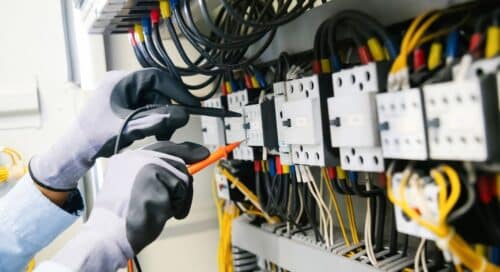
Scheduling inspections at appropriate intervals is crucial. Tailoring these schedules to specific facility needs ensures maximum efficacy.
Annual Visual and Infrared Thermography
Annual inspections using infrared thermography detect hidden faults. This technology identifies potential issues before they become critical.
-
Early Detection: Thermography reveals hotspots and potential failure points not visible to the naked eye.
-
Cost-Effective: Identifying issues early can prevent costly repairs and downtime.
High-Stress Area Maintenance Needs
Areas under constant stress require more frequent inspections. This ensures that any issues are promptly addressed.
-
Quarterly Checks: High-stress environments benefit from quarterly inspections to maintain safety and functionality.
-
Targeted Focus: These inspections focus on components most susceptible to wear and tear.
Comprehensive Intrusive PM Scheduling
Some components require more invasive checks. Scheduling these inspections during planned downtime minimizes disruption.
-
In-Depth Analysis: Intrusive inspections provide a detailed view of component health.
-
Strategic Planning: Timing these checks with production schedules avoids unnecessary disruptions.
Essential Maintenance Tasks
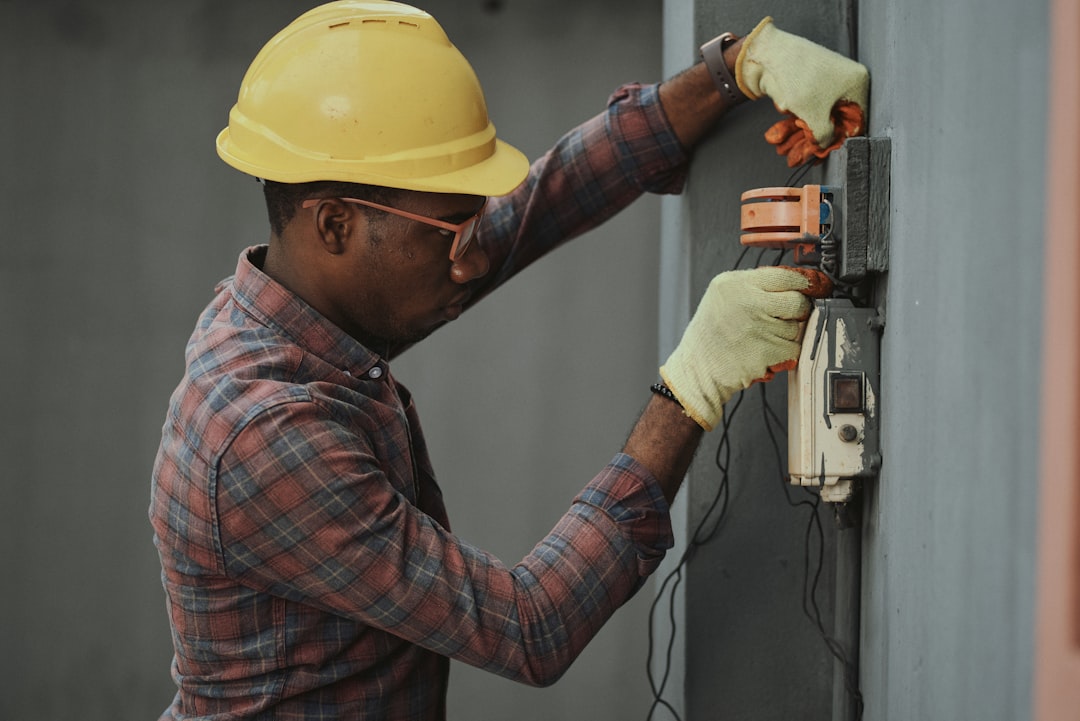
Maintenance tasks ensure systems function optimally. Each task targets specific aspects of system health and safety.
Breaker Testing and Calibration
Testing and calibrating breakers ensure they function correctly during faults. This prevents potential equipment damage.
-
Regular Testing: Ensures breakers respond appropriately to electrical faults.
-
Calibration Accuracy: Regular calibration maintains breaker precision, crucial for safety.
Arc Flash Study and Documentation
Arc flash studies assess the risk of electrical discharge. Proper documentation ensures compliance with safety standards.
-
Risk Mitigation: Studies identify potential hazards, reducing the risk of accidents.
-
Safety Compliance: Documentation supports regulatory compliance, enhancing workplace safety.
Grounding System Testing and Power Quality Analysis During Industrial Electrical Inspections
Testing grounding systems and analyzing power quality ensures electrical stability. A stable system prevents unexpected outages.
-
Grounding Verification: Ensures systems are properly grounded, reducing shock risks.
-
Quality Analysis: Identifies power quality issues, preventing damage to sensitive equipment.
Frequently Asked Questions
How often should electrical inspections be performed?
Inspections should be tailored to your facility’s needs. High-stress areas may require quarterly checks, while typical environments benefit from annual inspections.
What does infrared thermography detect?
Infrared thermography identifies temperature fluctuations, revealing potential faults before they become significant problems.
Why is breaker testing essential?
Breaker testing ensures that systems respond correctly during faults, preventing equipment damage and enhancing safety.
How does NFPA 70B influence inspection schedules?
NFPA 70B provides guidelines that help facilities maintain safety and operational efficiency through regular inspections.
What are the benefits of regular grounding system testing?
Regular testing verifies system grounding, reducing shock risks and ensuring power stability.
Industrial HVAC-R Maintenance That Protects Uptime, Controls Energy, and Elevates Safety
Comments Off on Industrial HVAC-R Maintenance That Protects Uptime, Controls Energy, and Elevates SafetyUnexpected HVAC-R downtime costs your plant thousands every hour. Ignoring industrial HVAC maintenance risks production halts, energy waste, and safety hazards. You need a proactive plan that keeps chillers, cooling towers, and refrigeration systems running smoothly. This post outlines how HVAC-R preventive maintenance protects uptime, controls energy use, and strengthens safety protocols in your facility. Book a site assessment today to start protecting your operations. For more information, visit our blog.
Protecting Uptime with HVAC-R Maintenance
Creating a dependable HVAC-R maintenance schedule is essential for maintaining operational efficiency. It prevents unexpected failures and costly downtime.
Key Elements of Preventive Care
Preventive care for HVAC-R systems involves regular inspections and maintenance tasks. Key elements include checking system components, cleaning filters, and ensuring proper airflow. Regular upkeep helps avoid major system breakdowns. Scheduled inspections identify potential issues before they become major problems. This approach saves money and extends the lifespan of your equipment. Keeping systems well-maintained ensures they operate efficiently and reliably. A proactive maintenance plan minimizes disruptions and protects your bottom line.
Critical Systems and Equipment Coverage
Ensuring comprehensive coverage for all critical systems is vital. This includes chillers, cooling towers, and refrigeration units. Each component requires specific maintenance tasks. Chillers need regular monitoring of coolant levels and cleaning of heat exchange surfaces. Cooling towers benefit from routine cleaning and water treatment to prevent scale buildup. Refrigeration units should have seals and gaskets checked to avoid leaks. Covering these systems ensures they function smoothly and efficiently, reducing the risk of unexpected failures.
Case Study: Uptime Success Stories
Let’s explore a success story where preventive maintenance made a significant impact. A manufacturing facility implemented a thorough maintenance program. This approach reduced unscheduled downtime by over 50%. Their energy costs also dropped by 15%, thanks to improved system efficiency. Regular maintenance checks caught potential issues early, preventing major failures. This proactive approach resulted in seamless operations and increased productivity. Such success stories highlight the importance of investing in preventive care for industrial HVAC-R systems.
Controlling Energy in Industrial Settings

Energy efficiency plays a crucial role in industrial settings. Optimizing HVAC systems can lead to substantial savings and environmental benefits.
Energy-Efficient HVAC for Industry
Adopting energy-efficient HVAC solutions is essential for industrial operations. Upgrading to high-efficiency systems reduces energy consumption. Modern units offer improved performance while lowering utility bills. Energy-efficient systems not only cut costs but also reduce your facility’s carbon footprint. By investing in efficient technology, you contribute to a sustainable future. Simple upgrades, such as variable speed drives and smart controls, can make a significant difference.
BAS Optimization and Retro-Commissioning
BAS optimization and retro-commissioning enhance system performance. These processes involve fine-tuning your building automation system. Retro-commissioning identifies areas for improvement in existing systems. By optimizing controls and settings, you can enhance energy efficiency. This approach ensures your facility operates at peak performance. Investing in these strategies leads to long-term savings and improved system reliability.
Implementing Energy Audits and Reporting
Conducting energy audits is a smart move for identifying inefficiencies. These audits provide valuable insights into your facility’s energy usage. Implementing recommended changes can lead to significant savings. Regular reporting keeps you informed about energy consumption trends. This data-driven approach allows for better decision-making and continuous improvement. By focusing on energy audits, you ensure your facility remains efficient and cost-effective.
Elevating Safety and Compliance Standards
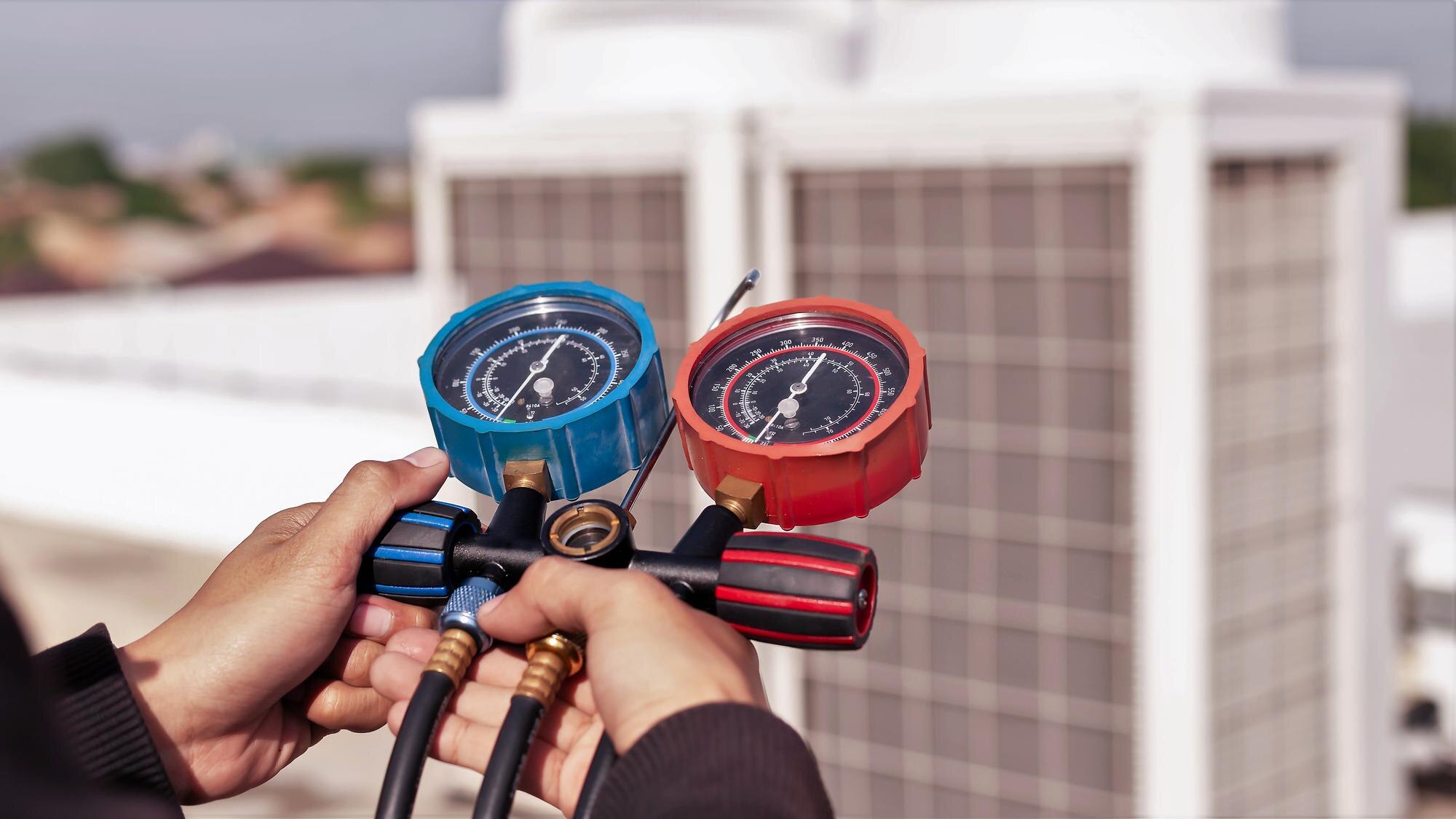
Maintaining safety and compliance is crucial in industrial environments. Proper HVAC-R maintenance plays a vital role in achieving these goals.
GMP HVAC Support and Cleanroom Maintenance
GMP HVAC support ensures clean environments in regulated industries. Cleanroom maintenance is vital for pharmaceutical and food processing facilities. Regular cleaning and inspection keep these spaces contamination-free. Adhering to strict standards ensures product quality and safety. Investing in proper HVAC support minimizes risks and ensures compliance. This proactive approach protects both your products and your reputation.
Comprehensive Refrigerant Management Practices
Managing refrigerants properly is essential for safety and environmental compliance. Regular checks and maintenance prevent leaks and ensure efficient operation. Proper handling and disposal of refrigerants protect the environment. Compliance with regulations ensures your facility avoids costly penalties. Implementing comprehensive management practices demonstrates your commitment to safety and sustainability.
24/7 Emergency HVAC Repair Services
Having access to 24/7 emergency HVAC repair services is crucial. Quick response times minimize downtime and prevent costly disruptions. Reliable service providers offer peace of mind, knowing help is available when needed. Having a trusted partner ensures your facility remains operational, even in emergencies. Investing in this level of support protects your business from unexpected challenges.
Frequently Asked Questions
What is preventive HVAC-R maintenance?
Preventive HVAC-R maintenance involves regular checks and servicing to ensure systems operate efficiently. It helps identify potential issues before they lead to major failures, reducing downtime and extending equipment lifespan.
How does energy-efficient HVAC benefit industrial settings?
Energy-efficient HVAC systems reduce energy consumption, leading to lower utility bills. They also decrease your facility’s carbon footprint, contributing to a more sustainable future.
What is BAS optimization?
BAS optimization involves fine-tuning your building automation system to enhance efficiency. It ensures systems operate at peak performance, leading to energy savings and improved reliability.
Why is cleanroom maintenance important?
Cleanroom maintenance is vital for industries requiring contamination-free environments, like pharmaceuticals. It ensures product quality and safety by adhering to strict cleanliness standards.
How can 24/7 emergency HVAC repair services benefit my facility?
Having access to 24/7 emergency repair services ensures quick response times during unexpected breakdowns, minimizing downtime and costly disruptions.