Posted by Team IQnection on | Comments Off on How to Evaluate Your Year-End Industrial Electrical Budget: Where Should Facilities Invest?
Start With Maintenance and Downtime Records
Review work orders, alarm histories, breaker trips, operator reports, infrared findings, and industrial electrical repair costs. Compare the results by asset, production line, and failure type.
Do not dismiss nuisance trips or repeated resets as isolated events. They may point to an overloaded circuit, a weak breaker, poor coordination, a motor problem, or unstable voltage. Equipment that needed several repairs during the year should be considered for deeper testing, modernization, or replacement during a planned outage.
Review Panels, Switchgear, and Motor Control Centers
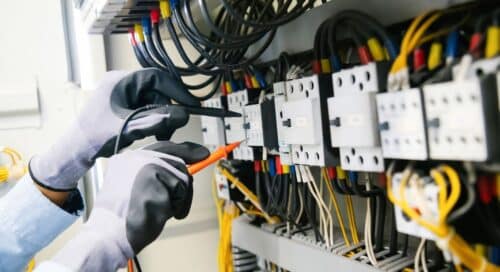
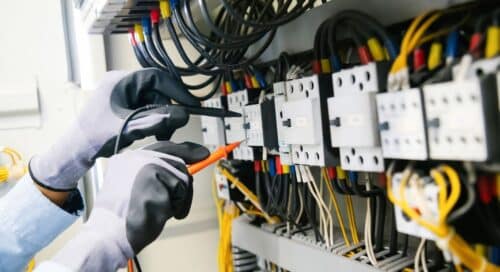
Electrical panels, switchgear, and motor control centers should receive close attention because small defects can affect large parts of your operation. Qualified personnel should evaluate them for heat damage, loose or discolored connections, corrosion, moisture, dust, worn components, damaged barriers, and signs of arcing.
The review should also cover breaker condition, trip history, fuse selection, enclosure seals, ventilation, and load balance. Compare voltage and current readings with earlier results. Changes may reveal a developing load or connection problem.
Marshall provides industrial electrical maintenance services for power distribution, motor control centers, high- and low-voltage systems, transformers, generators, wiring, and equipment upgrades.
Check Transformers and Distribution Equipment
Review transformers, disconnects, busways, feeders, conductors, and junction points as one connected distribution system. Look for abnormal temperature patterns, oil leaks where applicable, noise changes, damaged insulation, corrosion, poor ventilation, and signs of water entry.
Your review should also confirm that disconnects operate as intended and remain clearly identified. Wiring methods, conduit, cable supports, seals, and hazardous-area components should match the operating environment. Any voltage drop, phase imbalance, or power-quality concern should be documented for qualified testing.
Grounding and bonding deserve their own review. Confirm that inspection and test records are current and that later equipment installation or plant changes have not weakened system integrity.
Evaluate Motors and High-Use Equipment
Motors, drives, starters, controls, heaters, fans, pumps, and other high-use loads often provide early warning signs. Review overload trips, current imbalance, vibration reports, operating temperature, insulation-test history, and repair frequency.
Include lighting and emergency lighting, especially in production, warehouse, exterior, and egress areas. Failed fixtures, damaged wiring, and poor light levels can create both operating and safety concerns.
When electrical findings overlap with worn machinery, coordinated plant maintenance services can simplify industrial electrical work, Mechanical Equipment Repair Services, and industrial equipment installation during the same shutdown.
Use Preventative and Predictive Maintenance Data
Infrared thermography can reveal abnormal heat at connections, breakers, fuses, contactors, and loaded conductors without relying only on visible damage. Marshall’s infrared thermography services help facilities identify conditions before they become larger problems.
Your program may also include electrical testing, cleaning, torque checks, breaker inspection, grounding verification, and comparison with earlier readings. The value comes from trends, not one isolated result.
A 2025 industrial survey found that 61% of manufacturers experienced unplanned downtime during the prior year. In a separate 2024 report, 78% of maintenance professionals said they were supporting preventive maintenance efforts to address downtime.
Verify Backup and Emergency Power
Review generators, transfer switches, uninterruptible power supplies, batteries, emergency panels, and fuel systems. Confirm that test records, load-bank results, alarms, battery condition, fuel quality, and transfer performance are documented.
The review should also verify which loads are truly critical. Production changes or new equipment installation may have altered emergency-power demand since the original design.
Close Safety and Compliance Gaps
Check panel directories, equipment labels, arc-flash labels, one-line diagrams, lockout/tagout procedures, working clearances, and access to electrical rooms. Documentation should reflect current equipment and field conditions.
Inspection, testing, opening energized equipment, and corrective industrial electrical work should be assigned only to qualified personnel under approved safety procedures. Marshall’s contractor safety program supports that expectation.
Turn the Review Into Next Year’s Plan
Rank findings by safety risk, production impact, failure likelihood, lead time, and repair cost. Build a plan covering preventive maintenance, capital upgrades, spare breakers and other critical parts, equipment replacement, and scheduled shutdown work.
When comparing industrial maintenance contractors, industrial specialty contractors, or search results for “industrial general contractors near me,” look beyond hourly rates. Relevant plant experience, electrical capability, safety performance, outage planning, and the ability to coordinate repair and installation work all affect your real cost.
To turn your year-end findings into a practical maintenance, upgrade, and shutdown plan, contact Marshall today.
Posted by Team IQnection on | Comments Off on Key Elements to Consider When Tackling a Process Piping Repair Job
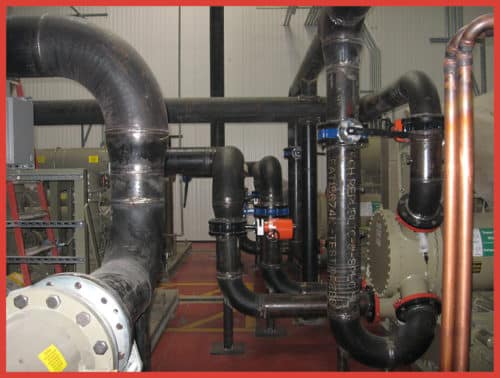
A visible leak may be only one sign of a larger problem. Common causes of process piping failures include corrosion, erosion, vibration, poor support, thermal movement, damaged gaskets, incorrect installation, and weld defects. Process changes can also place piping under pressure or temperature conditions it wasn’t designed to handle.
Start by inspecting the damaged area and the piping around it. Review maintenance records, operating data, inspection reports, and recent process changes. Thickness testing, visual inspection, pressure testing, and weld inspection may reveal damage that extends past the first failure point.
Fixing a leak without finding its cause can lead to another shutdown. Your contractor should be able to explain why the failure happened and what will prevent it from returning.
Compare Repair and Replacement Options
A repair may be faster and cost less at first. Replacement may offer better value if the pipe has widespread corrosion, repeated leaks, outdated materials, or damage across several sections.
Consider these questions before choosing a path:
How much useful life remains in the piping?
Is the damage limited to one area?
Have similar repairs already been made nearby?
Are replacement materials readily available?
Could a larger failure create serious safety or production risks?
Will the planned work meet current plant standards and piping codes?
A sound recommendation should account for immediate cost, future maintenance, expected service life, and the effect on production. An experienced provider of process piping services can help you compare these factors with clear field data.
Review Pressure, Temperature, and Materials
The repair design must match actual operating conditions. Your team should document normal and maximum pressure, temperature changes, flow rate, vibration, chemical exposure, and cleaning procedures. These details affect pipe thickness, joint design, gasket choice, welding methods, and testing requirements.
Material compatibility is equally important. Carbon steel, stainless steel, plastics, and high nickel alloys respond differently to heat and corrosive fluids. Sanitary process piping may also require smooth internal surfaces, clean welds, proper drainage, and detailed validation. The needs of process piping can differ from those of utility piping, even inside the same plant.
Plan Around Production Demands
Determine if the work can wait for planned downtime or needs an emergency response. A controlled shutdown usually provides better access, more time for inspection, and fewer production conflicts. Emergency work requires faster decisions, but speed can’t replace safe planning.
Define the repair scope, crew needs, materials, permits, access points, lifting needs, testing steps, and restart process before work starts. Coordinate piping work with any related industrial electrical work, equipment installation, or other plant maintenance services. This helps prevent trade conflicts and avoid added delays.
Build Safety Into the Work Plan
Process piping may hold pressure, heat, stored energy, or hazardous material after equipment stops. The affected section must be identified, shut down, isolated, drained, cleaned, and confirmed safe. Your plan should include lockout and tagout procedures, line opening controls, personal protective equipment, hot work permits, and gas testing as needed.
Lockout and tagout ranked fourth among OSHA’s most frequently cited standards for fiscal year 2025. OSHA recorded 2,574 citations tied to hazardous energy control during that period. Those numbers show why written procedures, trained workers, and verified isolation matter.
Your contractor must also follow plant rules and applicable OSHA requirements. For welded repairs, confirm that approved procedures, qualified welders, correct filler metals, and required inspections are in place. Marshall’s safety program and ASME certified work provide useful points to review when comparing contractors.
Use Precision Measurement and Filed Machining
Complete replacement isn’t always needed. Onsite machining can restore damaged surfaces while keeping large piping sections or connected equipment in place. Flange facing can correct surface damage that prevents a gasket from sealing. Alignment verification can find strain between piping, pumps, valves, and equipment.
Precise field measurements also allow replacement sections to be fabricated for a proper fit. This reduces adjustment work during installation and supports correct alignment. A contractor with machining, welding, fabrication, machinery repair services, and industrial equipment installation skills can manage these connected tasks under one plan.
Protect Long-Term System Reliability
The latest federal figures show that private industry employers reported 2.5 million workplace injuries and illnesses in 2024, with 2.3 cases per 100 full time workers. Careful contractor selection, job planning, and safety control remain essential.
Successful process piping repair depends on planning, sound engineering, skilled execution, and follow through that improves future reliability.
Request a quote today to discuss your piping needs with us. We’ll help you find a reliable repair solution for your facility.
Posted by janderson on | Comments Off on Peak-Season Readiness Checklist for Mechanical, Electrical, and HVAC-R Systems
Peak season demand pushes your mechanical, electrical, and HVAC-R systems to their limits. Skipping key inspections and tests can lead to costly downtime when you need uptime most. This industrial maintenance checklist highlights critical steps to prepare your facility and reduce risk before the strain begins. Read on to secure your operations with proven readiness strategies and expert support. For more insights, visit our blog.
Peak-Season Maintenance Essentials
Preparing your facility for peak season can prevent disruptions and financial losses. This section covers essential checks for your mechanical, electrical, and HVAC-R systems.
Mechanical System Inspection
Keep mechanical systems in top shape to avoid unexpected shutdowns. Start by inspecting belts, bearings, and motors for wear. A small issue here can cascade into larger problems. Regular lubrication and cleaning are crucial to prolong the life of these components.
Check all seals and gaskets for leaks. Leaks can impact both performance and safety, potentially leading to costly repairs. Address these promptly to maintain efficiency. If you’re unsure how to proceed, consult a professional who can provide targeted solutions.
Electrical Load Testing and IR Thermography
Electrical systems are the backbone of any facility. Load testing verifies that circuits can handle increased demand. This is vital during peak times. An overload can lead to failures, jeopardizing operations.
Infrared thermography is a powerful tool for identifying hot spots. These often indicate potential issues like loose connections or overloaded circuits. Identifying these early can save you from expensive repairs later. Utilize this technology to keep your systems secure and efficient.
HVAC-R Preventive Maintenance
Don’t let HVAC-R systems become a weak link during peak season. Begin with air filter replacements. Clogged filters force systems to work harder, wasting energy and money. Regular checks on thermostats and controls ensure they’re functioning correctly, maintaining desired temperatures.
Inspect ductwork for any signs of damage or leaks. These can compromise system efficiency, driving up costs. Address any issues you find to ensure reliable operation. Preventive measures here can keep your facility comfortable and operations smooth.
Critical Systems Preparation
As peak season approaches, focusing on system preparation can further enhance reliability. The following checks can help maintain optimal performance.
Vibration Analysis and Laser Alignment
Vibration analysis identifies imbalances in rotating equipment. These can lead to premature failures. Regular checks can detect these issues early, allowing for timely corrections. This ensures equipment longevity and reduces downtime.
Laser alignment is key for efficient machinery operation. Misaligned machines consume more energy and wear out faster. Correcting alignment boosts performance and cuts costs. These processes, though simple, offer significant benefits.
Chiller Optimization and Cooling Tower Service
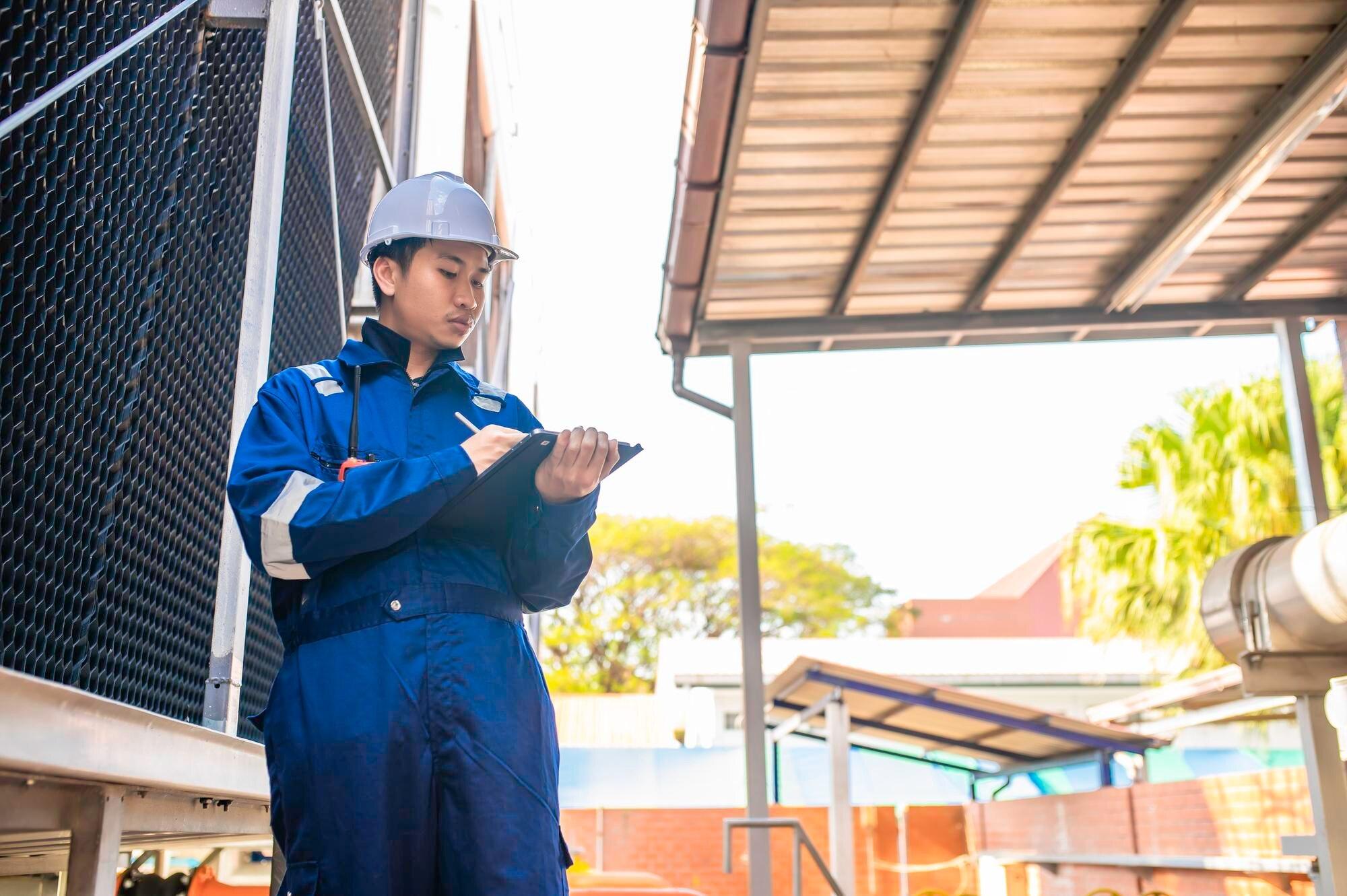
Chillers and cooling towers are vital for thermal regulation. Regular servicing can improve efficiency and lifespan. Start with a thorough cleaning to remove debris that can impede performance.
Check for corrosion or scaling, which can impact heat transfer. Addressing these issues promptly ensures that your systems run smoothly. Optimizing these systems can result in energy savings and improved reliability.
Refrigerant Management and BAS Controls Optimization
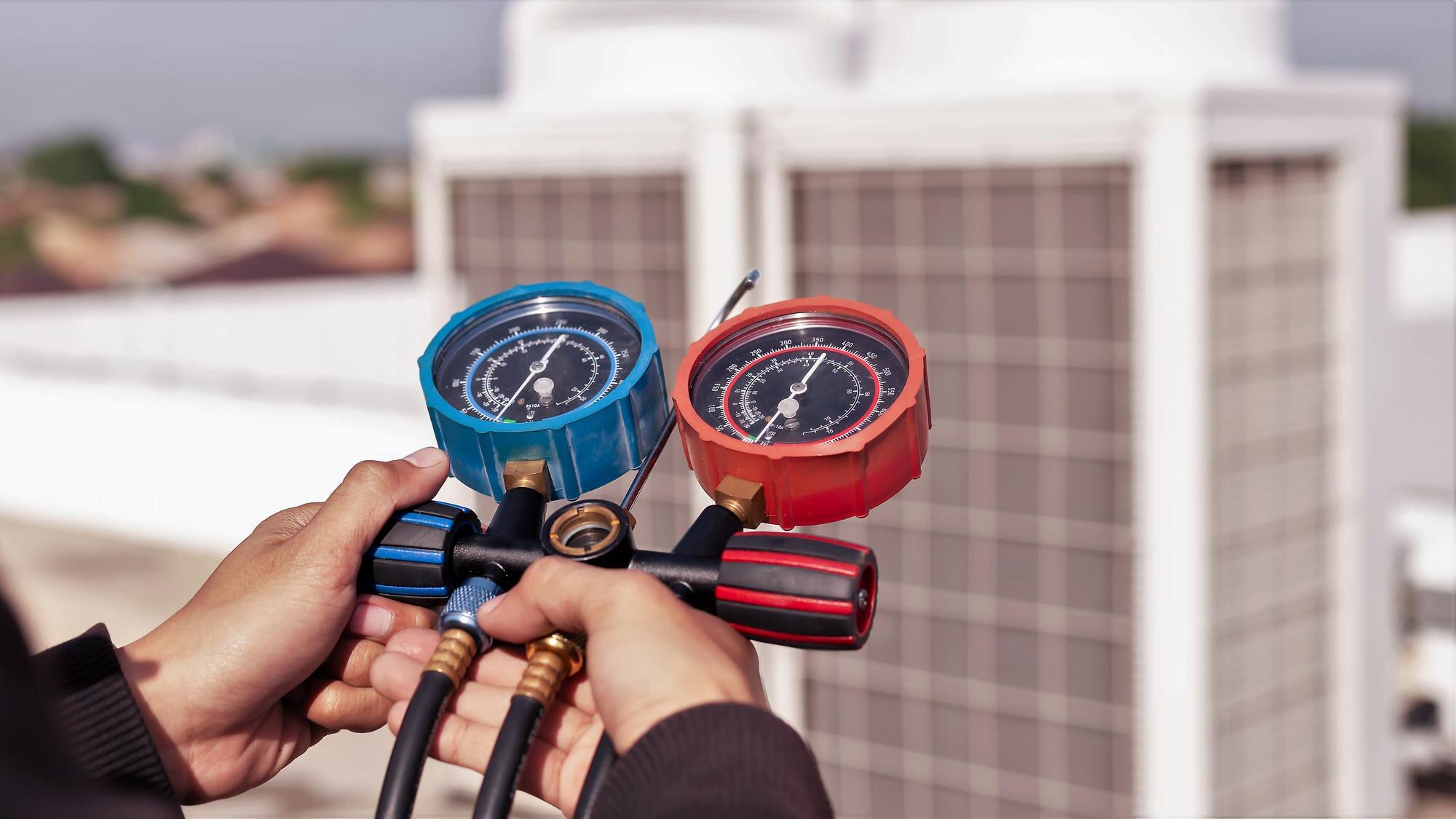
Managing refrigerant levels is critical for HVAC-R efficiency. Low levels can strain systems, leading to breakdowns. Regular checks and top-offs prevent these issues. This simple step can save significant costs over time.
Optimize Building Automation System (BAS) controls to enhance system performance. Proper calibration ensures that systems respond accurately to changes, maximizing comfort and efficiency. Investing time here can yield considerable benefits.
Strategic Planning and Emergency Services
Proactive planning and access to emergency services are crucial. This section outlines steps to ensure you’re prepared for any situation.
Shutdown Planning and Critical Spares Strategy
Effective shutdown planning minimizes downtime and disruptions. Coordinate schedules to ensure all systems receive necessary attention. This proactive approach reduces the risk of unexpected failures.
Having a critical spares strategy is equally important. Stock essential parts to avoid delays in repairs. This can be a lifesaver during peak times when quick responses are essential.
24/7 Emergency Industrial Service
Access to 24/7 emergency services provides peace of mind. Quick response times can mitigate potential losses during unexpected breakdowns. Knowing you have expert support available around the clock ensures continuous operations.
Northeast Industrial Services and Reliability Centered Maintenance
Choosing a reliable service provider is a strategic decision. Look for one with a strong presence in your region. Reliable partners can offer tailored solutions and immediate support, essential during peak season.
Reliability centered maintenance focuses on preventing failures before they occur. This proactive approach keeps systems running smoothly, enhancing overall operational efficiency. By prioritizing reliability, you can build a more resilient facility.
Frequently Asked Questions
What is the importance of mechanical system inspection during peak season?
Mechanical system inspections are crucial to identify wear and tear that could lead to system failures. Regular checks reduce the risk of unexpected downtime and expensive repairs.
How does IR thermography benefit my facility’s electrical systems?
IR thermography can detect hot spots in electrical systems, indicating potential issues. By addressing these early, you can prevent costly failures and ensure safe operation.
Why should I consider a critical spares strategy?
A critical spares strategy ensures that essential parts are available when needed. This minimizes downtime and helps maintain continuous operations during peak demand.
What role does HVAC-R preventive maintenance play in peak season readiness?
Preventive maintenance ensures HVAC-R systems operate efficiently, reducing energy costs and preventing unexpected breakdowns.
How can vibration analysis improve machinery performance?
Vibration analysis helps identify imbalances in machinery, allowing for timely corrections. This enhances performance, extends equipment life, and reduces energy consumption.
Posted by janderson on | Comments Off on Late-Summer Peak Demand: Prepare Your Industrial HVAC-R Systems Now
Late-summer peak demand puts industrial HVAC-R systems under intense pressure. You can’t afford unexpected downtime or unstable process cooling when production depends on it. This post lays out a precise readiness plan to keep your chillers, cooling towers, and controls tuned for peak loads. Book a Late-Summer HVAC-R Readiness Assessment today. Contact our 24/7 team to schedule preventive maintenance, controls tuning, and emergency coverage. Learn more about peak demand and its impact on building performance.
Preparing for Peak Demand
To ensure your industrial HVAC-R systems can handle late-summer demands, a proactive approach is key. Begin by evaluating the current condition of your equipment and addressing any potential issues.
Assessing Your HVAC-R Systems
Start by conducting a thorough assessment of your HVAC-R systems. Look for signs of wear and tear, and pay special attention to components like compressors and fans. Regular inspections can help you identify potential problems before they lead to breakdowns. Engage skilled technicians to perform checks and ensure all systems are operating within optimal parameters.
Next, consider the age of your equipment. Older systems might struggle during peak demand periods, so it may be time to plan for upgrades or replacements. This proactive step can prevent costly downtime and ensure continued reliability.
Importance of Chiller Maintenance
Chillers are crucial in keeping your facility cool, especially during late-summer peaks. Ensure they receive regular maintenance to avoid unexpected failures. Clean and inspect condenser coils, check refrigerant levels, and monitor system pressures.
Regular maintenance helps maintain energy efficiency and prolongs the life of your chillers. If you notice any unusual noises or a drop in performance, address these immediately. Early intervention can prevent more significant issues down the line.
Cooling Tower and Coil Cleaning
Cooling towers play a vital role in your HVAC-R systems. Keeping them clean improves efficiency and prevents system malfunctions. Regularly remove scale, sediment, and biological growth to ensure optimal performance.
Cleaning coils is equally important. Dirty coils can reduce system efficiency, leading to increased energy consumption and operating costs. Make coil cleaning a part of your regular maintenance routine to keep your systems running smoothly.
Optimizing Controls and Efficiency
Unlocking the full potential of your HVAC-R systems requires fine-tuning controls and maximizing efficiency. This helps in managing energy consumption and reducing operational costs.
VFD and BAS Tuning
Variable Frequency Drives (VFDs) and Building Automation Systems (BAS) are integral to efficient HVAC-R operation. Regular tuning ensures these systems operate at peak performance. Adjusting setpoints and calibrating sensors can significantly impact energy use.
Proper tuning reduces wear on components, extending their lifespan. It also allows for better response to varying loads, ensuring your facility remains comfortable even during peak demand.
Load Shedding Strategies
Managing energy use during peak periods is crucial. Implement load shedding strategies to reduce consumption without compromising comfort. Identify non-essential loads that can be temporarily turned off or reduced.
This approach helps lower energy costs and prevent overloading systems. Load shedding can be automated using BAS for seamless integration into your energy management plan.
Energy Efficiency in Plants
Energy efficiency is more than just a cost-saving measure; it enhances overall system reliability. Focus on reducing waste and optimizing processes. Consider upgrading to high-efficiency components where feasible.
Regular energy audits can identify areas for improvement. Implementing changes based on these audits leads to long-term savings and a reduced environmental impact.
Ensuring Reliability and Compliance
Reliability and compliance go hand in hand in maintaining a safe, efficient facility. Ensure your systems meet all regulatory standards and are prepared for any eventuality.
Refrigerant Leak Detection
Refrigerant leaks can be costly and harmful to the environment. Implement a leak detection program to catch leaks early. Regular checks and maintenance can prevent significant losses and ensure compliance with environmental regulations.
Compliance with EPA and FDA Standards
Compliance with standards like EPA’s 608 and FDA’s cGMP is vital. Regularly review your systems and processes to ensure they meet these requirements. Compliance not only avoids penalties but also ensures the safety and reliability of your operations.
Emergency Response Planning and Redundancy Testing
Planning for emergencies is essential. Develop a comprehensive response plan and conduct regular redundancy testing. This ensures your facility can quickly recover from unexpected events, minimizing downtime and maintaining safety.
Frequently Asked Questions
How often should HVAC-R systems be inspected? HVAC-R systems should be inspected at least twice a year, ideally in the spring and fall, to prepare for seasonal changes and peak demands.
What are the signs of a failing chiller? Signs include unusual noises, reduced cooling capacity, and increased energy consumption. Regular maintenance helps catch these issues early.
How can I improve energy efficiency in my plant? Start with regular energy audits to identify areas for improvement. Upgrade to high-efficiency equipment and optimize controls for better energy management.
Why is refrigerant leak detection important? Detecting leaks early prevents costly repairs and environmental damage. It also ensures compliance with environmental regulations.
What should an emergency response plan include? Your plan should cover procedures for different emergency scenarios, a communication strategy, and regular testing to ensure effectiveness.
Posted by janderson on | Comments Off on Leveraging Marshall’s Expertise in Recycling Facility Maintenance
Leveraging Marshall’s Expertise in Recycling Facility Maintenance
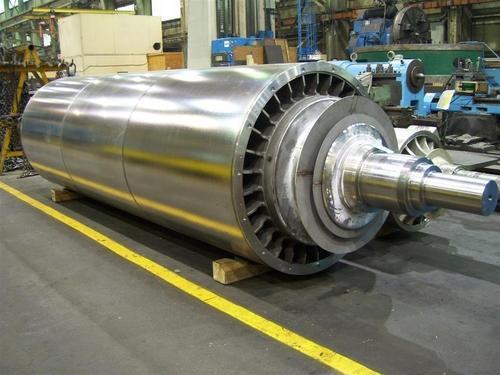
Marshall has a long history of providing manpower of shutdown work, equipment repair and installations, and machinging and fabrication work on all components with a recycling facility. These include gearboxes, extractor shafts, rolls, trunions, resurfacing high-wear components, and more. Our specialized knowledge in managing shutdown work and maintenance projects can greatly enhance operational efficiency and reliability.
Shutdown Work: Ensuring Minimal Disruption
Marshall’s team expertly handles shutdown work, minimizing operational downtime. By strategically planning and executing shutdowns, we ensure that maintenance activities are completed efficiently without interrupting critical operations. Our approach not only reduces the risk of unexpected breakdowns but also extends the longevity of your equipment.
Comprehensive Maintenance Projects
Regular maintenance is crucial for the sustainable operation of recycling facilities. Marshall’s proven maintenance strategies focus on optimizing performance and minimizing energy consumption. By maintaining critical components such as conveyor systems, balers, and shredders, our maintenance projects help reduce operational costs and improve system reliability.
Trash-to-Electric Stations: Enhancing Energy Efficiency
For trash-to-electric generating stations, optimizing energy production is paramount. Marshall’s team ensures that all systems function at peak efficiency, from feedstock processing to power generation. Our maintenance services include thorough inspections and performance assessments, leading to enhanced energy output and reduced waste.
Custom Solutions for Unique Challenges
Every facility has unique challenges. Marshall Industrial Technologies provides tailored maintenance solutions that address the specific needs of your operations. Our collaborative approach involves working closely with your team to understand your goals and deliver solutions that maximize productivity and efficiency.
Building Long-term Partnerships
Marshall is more than a service provider; we are a partner. We build long-term relationships with our clients, offering ongoing support and expertise to ensure that your facilities continue to operate smoothly and efficiently. Our commitment is to be there every step of the way, providing assistance whenever needed.
Discover how Marshall Industrial Technologies can transform your recycling facility and trash-to-electric generating station operations. Visit Marshall Industrial Technologies to learn more about our services and how we can help your facility achieve peak performance.
Expert Machining and Fabrication Services
At the heart of our maintenance and repair operations is our state-of-the-art machine shop. Equipped with the latest tools and technologies, our machine shop is where the magic happens. Our skilled machinists and fabricators work meticulously to craft, repair, and restore components essential to the recycling and energy conversion processes. Whether it’s custom parts, precision machining, or fabrication work, our team is dedicated to delivering solutions that uphold the highest standards of quality and reliability.
Posted by janderson on | Comments Off on How to Choose the Right Industrial Maintenance Partner for Regulated Facilities: A Practical, Compliance-First Checklist
When it comes to industrial projects, choosing the right ASME code welding contractor goes beyond routine welding tasks. Your project demands strict adherence to ASME standards and expert handling of complex welding procedures in compliance-heavy environments. This blog will guide you through selecting a contractor who meets these stringent requirements while providing comprehensive welding services—all under one roof. Schedule an assessment today at www.marshallindtech.com and ensure your project’s compliance and reliability.
Understanding the Importance of ASME Compliance
Before diving into contractor details, it’s crucial to recognize why ASME compliance is vital. This understanding sets the stage for a successful collaboration.
Assessing Project Requirements
Start by identifying the critical needs of your project. Consider the materials and standards involved:
Complex Welding: Projects involving pressure vessels, boilers, and intricate components demand special attention.
Regulations: Ensure all activities align with ASME standards.
Examine past project challenges. Were there recurring issues? Identify areas needing improvement. This assessment helps in aligning your expectations with prospective contractors. Most people focus on current hurdles, but foresight can prevent future issues. Remember, knowing your requirements leads to better solutions.
Navigating Compliance Challenges
Compliance is a non-negotiable aspect of industrial projects:
ASME Standards: Ensure all operations adhere to these guidelines.
Documentation: Keeping detailed records is crucial for inspections and audits.
Navigating compliance might seem daunting. Yet, understanding the intricacies ensures smooth operations and avoids penalties. Often, businesses underestimate the importance of thorough documentation. Don’t fall into this trap. A solid grasp of compliance challenges helps in selecting a contractor who can seamlessly manage these aspects.
Evaluating Contractor Capabilities
Consider the range of services your contractor should offer:
Comprehensive Welding Services: From fabrication to pipeline construction.
Emergency Expertise: Quick response times for urgent needs.
Evaluate if the contractor can cover all necessary activities without subcontracting. Some providers may offer a broad range but lack depth. Assess their expertise in each area. The longer you wait to evaluate capabilities, the more surprises you might encounter. Ensure your contractor can handle everything under one roof.
By following these guidelines and exploring www.marshallindtech.com, you can select an ASME code welding contractor that not only meets your current needs but also supports your project’s long-term success.
Posted by janderson on | Comments Off on How Often Should I Schedule an Industrial Electrical Inspection in the Lehigh Valley?
You can’t afford downtime caused by electrical failures. Scheduling your industrial electrical inspection in Lehigh Valley and surrounding regions at the right intervals cuts risk and keeps your facility running. Follow NFPA 70B maintenance guidelines tailored to your plant’s needs, from annual infrared thermography scans to quarterly checks in high-stress environments. Learn how to protect uptime and ensure OSHA electrical compliance with Marshall Industrial Technologies‘ proven inspection schedules. Book your no-obligation electrical risk review today and stay ahead of potential issues.
Importance of Regular Electrical Inspections
Regular electrical inspections are vital in preventing unexpected outages. They ensure compliance with safety standards and minimize costly downtime.
Understanding NFPA 70B Guidelines
NFPA 70B provides a roadmap for effective maintenance. It emphasizes inspecting components for wear and ensuring systems run smoothly. By adhering to these guidelines, facilities can reduce risks associated with electrical failures.
Safety First: The guidelines prioritize safety, protecting both personnel and equipment.
Consistent Updates: Regular updates to the guidelines reflect the latest safety practices and technological advancements.
Comprehensive Coverage: It covers everything from routine checks to advanced diagnostics.
Grounding System Testing and Power Quality Analysis During Industrial Electrical Inspections
Testing grounding systems and analyzing power quality ensures electrical stability. A stable system prevents unexpected outages.
Grounding Verification: Ensures systems are properly grounded, reducing shock risks.
Quality Analysis: Identifies power quality issues, preventing damage to sensitive equipment.
Frequently Asked Questions
How often should electrical inspections be performed?
Inspections should be tailored to your facility’s needs. High-stress areas may require quarterly checks, while typical environments benefit from annual inspections.
What does infrared thermography detect?
Infrared thermography identifies temperature fluctuations, revealing potential faults before they become significant problems.
Why is breaker testing essential?
Breaker testing ensures that systems respond correctly during faults, preventing equipment damage and enhancing safety.
How does NFPA 70B influence inspection schedules?
NFPA 70B provides guidelines that help facilities maintain safety and operational efficiency through regular inspections.
What are the benefits of regular grounding system testing?
Regular testing verifies system grounding, reducing shock risks and ensuring power stability.
Posted by janderson on | Comments Off on Industrial HVAC-R Maintenance That Protects Uptime, Controls Energy, and Elevates Safety
Unexpected HVAC-R downtime costs your plant thousands every hour. Ignoring industrial HVAC maintenance risks production halts, energy waste, and safety hazards. You need a proactive plan that keeps chillers, cooling towers, and refrigeration systems running smoothly. This post outlines how HVAC-R preventive maintenance protects uptime, controls energy use, and strengthens safety protocols in your facility. Book a site assessment today to start protecting your operations. For more information, visit our blog.
Protecting Uptime with HVAC-R Maintenance
Creating a dependable HVAC-R maintenance schedule is essential for maintaining operational efficiency. It prevents unexpected failures and costly downtime.
Key Elements of Preventive Care
Preventive care for HVAC-R systems involves regular inspections and maintenance tasks. Key elements include checking system components, cleaning filters, and ensuring proper airflow. Regular upkeep helps avoid major system breakdowns. Scheduled inspections identify potential issues before they become major problems. This approach saves money and extends the lifespan of your equipment. Keeping systems well-maintained ensures they operate efficiently and reliably. A proactive maintenance plan minimizes disruptions and protects your bottom line.
Critical Systems and Equipment Coverage
Ensuring comprehensive coverage for all critical systems is vital. This includes chillers, cooling towers, and refrigeration units. Each component requires specific maintenance tasks. Chillers need regular monitoring of coolant levels and cleaning of heat exchange surfaces. Cooling towers benefit from routine cleaning and water treatment to prevent scale buildup. Refrigeration units should have seals and gaskets checked to avoid leaks. Covering these systems ensures they function smoothly and efficiently, reducing the risk of unexpected failures.
Case Study: Uptime Success Stories
Let’s explore a success story where preventive maintenance made a significant impact. A manufacturing facility implemented a thorough maintenance program. This approach reduced unscheduled downtime by over 50%. Their energy costs also dropped by 15%, thanks to improved system efficiency. Regular maintenance checks caught potential issues early, preventing major failures. This proactive approach resulted in seamless operations and increased productivity. Such success stories highlight the importance of investing in preventive care for industrial HVAC-R systems.
Controlling Energy in Industrial Settings
Energy efficiency plays a crucial role in industrial settings. Optimizing HVAC systems can lead to substantial savings and environmental benefits.
Energy-Efficient HVAC for Industry
Adopting energy-efficient HVAC solutions is essential for industrial operations. Upgrading to high-efficiency systems reduces energy consumption. Modern units offer improved performance while lowering utility bills. Energy-efficient systems not only cut costs but also reduce your facility’s carbon footprint. By investing in efficient technology, you contribute to a sustainable future. Simple upgrades, such as variable speed drives and smart controls, can make a significant difference.
BAS Optimization and Retro-Commissioning
BAS optimization and retro-commissioning enhance system performance. These processes involve fine-tuning your building automation system. Retro-commissioning identifies areas for improvement in existing systems. By optimizing controls and settings, you can enhance energy efficiency. This approach ensures your facility operates at peak performance. Investing in these strategies leads to long-term savings and improved system reliability.
Implementing Energy Audits and Reporting
Conducting energy audits is a smart move for identifying inefficiencies. These audits provide valuable insights into your facility’s energy usage. Implementing recommended changes can lead to significant savings. Regular reporting keeps you informed about energy consumption trends. This data-driven approach allows for better decision-making and continuous improvement. By focusing on energy audits, you ensure your facility remains efficient and cost-effective.
Elevating Safety and Compliance Standards
Maintaining safety and compliance is crucial in industrial environments. Proper HVAC-R maintenance plays a vital role in achieving these goals.
GMP HVAC Support and Cleanroom Maintenance
GMP HVAC support ensures clean environments in regulated industries. Cleanroom maintenance is vital for pharmaceutical and food processing facilities. Regular cleaning and inspection keep these spaces contamination-free. Adhering to strict standards ensures product quality and safety. Investing in proper HVAC support minimizes risks and ensures compliance. This proactive approach protects both your products and your reputation.
Comprehensive Refrigerant Management Practices
Managing refrigerants properly is essential for safety and environmental compliance. Regular checks and maintenance prevent leaks and ensure efficient operation. Proper handling and disposal of refrigerants protect the environment. Compliance with regulations ensures your facility avoids costly penalties. Implementing comprehensive management practices demonstrates your commitment to safety and sustainability.
24/7 Emergency HVAC Repair Services
Having access to 24/7 emergency HVAC repair services is crucial. Quick response times minimize downtime and prevent costly disruptions. Reliable service providers offer peace of mind, knowing help is available when needed. Having a trusted partner ensures your facility remains operational, even in emergencies. Investing in this level of support protects your business from unexpected challenges.
Frequently Asked Questions
What is preventive HVAC-R maintenance?
Preventive HVAC-R maintenance involves regular checks and servicing to ensure systems operate efficiently. It helps identify potential issues before they lead to major failures, reducing downtime and extending equipment lifespan.
How does energy-efficient HVAC benefit industrial settings?
Energy-efficient HVAC systems reduce energy consumption, leading to lower utility bills. They also decrease your facility’s carbon footprint, contributing to a more sustainable future.
What is BAS optimization?
BAS optimization involves fine-tuning your building automation system to enhance efficiency. It ensures systems operate at peak performance, leading to energy savings and improved reliability.
Why is cleanroom maintenance important?
Cleanroom maintenance is vital for industries requiring contamination-free environments, like pharmaceuticals. It ensures product quality and safety by adhering to strict cleanliness standards.
How can 24/7 emergency HVAC repair services benefit my facility?
Having access to 24/7 emergency repair services ensures quick response times during unexpected breakdowns, minimizing downtime and costly disruptions.
Posted by janderson on | Comments Off on Reduce Downtime with Coordinated Mechanical, Electrical, HVAC-R, and Piping Support
Industrial downtime reduction demands more than quick fixes. Your mechanical, electrical, HVAC-R, and piping systems must work in sync to keep production steady. Coordinating these trades stops small issues from snowballing into costly shutdowns. Read on to learn how integrated multi-trade services cut downtime and boost plant reliability across your facility. Schedule a plant reliability assessment today and see the difference coordinated support makes. Read more here.
Coordinated Multi-Trade Services
Reducing Industrial Downtime
Keeping your plant running smoothly requires more than just quick fixes. When different systems work together, unexpected stoppages can be avoided. This ensures steady production and minimizes costs.
Single-source industrial services bring everything under one roof. When you consolidate your service needs, you reduce the chances of gaps or overlaps in maintenance. This means every piece of equipment works when you need it, preventing costly shutdowns.
Multi-trade coordination is like having a team of experts who know how to play well together. By connecting mechanical, electrical, HVAC-R, and piping systems, you stop small issues before they become big problems. Curious about how this works? Let’s dig into some key techniques.
Benefits of Single-Source Solutions
Choosing a single-source service provider offers simplicity and peace of mind. Imagine having just one number to call for any industrial service need. This not only saves time but also ensures consistency in service delivery.
With integrated services, there’s no need to juggle different contractors. Your operations benefit from streamlined processes and reduced downtime. The result: smoother transitions and fewer interruptions.
Think of it this way: when all parts of your facility are managed under one umbrella, coordination improves. Each system supports the others, creating a robust defense against unexpected issues. Interested in learning more? Explore the techniques that make this approach work.
Multi-Trade Coordination Techniques
Bringing trades together means more efficient problem-solving. A coordinated approach ensures that each system complements the others. This enhances overall plant reliability.
Techniques include:
Regular Cross-Discipline Meetings: Keeping all your teams on the same page ensures everyone knows what the others are doing.
Shared Technology Platforms: Using common tools allows for seamless information sharing and quick decision-making.
Coordinated Maintenance Schedules: Aligning service times helps prevent unexpected breakdowns and ensures all systems are checked regularly.
Ready to see these strategies in action? Next, let’s dive into the key services that support your facility’s needs.
Key Service Offerings
Mechanical Maintenance Best Practices
Mechanical services form the backbone of industrial operations. Keeping machines in top shape avoids disruptions and extends their lifespan.
Start with regular inspections: This helps spot wear and tear early. By catching issues before they escalate, you save both time and money. Routine checks can prevent minor problems from becoming major headaches.
Consider using advanced tools: Vibration analysis and thermal imaging are powerful methods. They detect potential issues that might not be visible to the naked eye. This proactive approach ensures your machinery runs smoothly.
Looking for more insights? Discover how our electrical services and safety measures play a crucial role.
Electrical Services and Safety
Electrical systems are vital for powering industrial facilities. Keeping them safe and functional is a top priority.
Routine electrical maintenance prevents failures that can halt production. This includes regular inspections of circuit breakers, transformers, and wiring systems. By ensuring these elements are in good condition, you reduce the risk of unexpected outages.
Safety is paramount: An arc flash assessment helps protect both equipment and personnel. It identifies potential hazards and ensures compliance with safety standards.
Curious about how our HVAC-R and process piping services fit in? Let’s explore their role in maintaining facility efficiency.
HVAC-R and Process Piping Insights
HVAC-R systems and piping are essential for maintaining optimal conditions. They ensure the right temperature and humidity levels, crucial for many industries.
Regular HVAC-R maintenance keeps systems running efficiently. This includes cleaning filters, checking fluid levels, and scheduling annual tune-ups. These steps maintain indoor air quality and reduce energy consumption.
Process piping should be checked for leaks and corrosion. This guarantees seamless operation and prevents costly repairs. Proper management of these systems can significantly cut downtime, as detailed in this guide on industrial piping systems.
Ready to delve into the advanced techniques that keep your plant performing at its best? Let’s explore predictive and preventive maintenance next.
Advanced Predictive and Preventive Maintenance
Importance of Predictive Maintenance
Predictive maintenance uses technology to forecast when equipment might fail. This foresight allows you to address issues before they impact operations.
Implementing predictive techniques involves: Regularly monitoring equipment performance using sensors and analytics. This helps detect patterns that indicate potential failures. By acting on this data, you can schedule maintenance at convenient times, minimizing disruptions.
The payoff is clear: Reduced downtime and extended equipment life. Knowing what’s coming allows you to plan effectively. Interested in more ways to keep your facility running smoothly? Let’s move on to preventive strategies.
Implementing Preventive Maintenance Strategies
Preventive maintenance involves regularly scheduled checks, even when equipment appears to be working fine. This proactive approach keeps everything in top condition.
Focus on routine tasks like: Lubricating moving parts, tightening loose connections, and replacing worn components. These simple actions can prevent more significant problems down the line.
Scheduling is key: Regularly planned maintenance avoids surprises and ensures your facility stays productive. Want to know how to handle emergencies when they arise? Keep reading for solutions.
Emergency Industrial Repair Solutions
When unexpected problems occur, quick response is essential. Emergency industrial repair services are available to address these urgent needs.
Our team is ready 24/7 for any repair situation. Whether it’s a mechanical breakdown or electrical failure, rapid intervention minimizes downtime and reduces costs. Quick fixes are vital to keeping operations on track.
Speed and expertise matter: Having access to skilled technicians ensures that repairs are done right the first time. Want to be prepared for any situation? A comprehensive service partner makes all the difference.
In conclusion, coordinated services and preventive strategies are your best defense against downtime. By integrating mechanical, electrical, HVAC-R, and piping support, you ensure smooth operations. Ready to explore these solutions further? Reach out to our experts today.
Posted by janderson on | Comments Off on Integrated Industrial Services That Cut Downtime and Simplify Projects for Northeast Facilities
Downtime drains your facility’s productivity and inflates costs. Managing multiple contractors only adds complexity and risks delays. Integrated industrial services offer a single-source industrial partner that streamlines mechanical maintenance and repairs, process piping installation, and electrical services for industry—all coordinated to reduce downtime and simplify project execution. Read on to see how this approach accelerates turnarounds and de-risks your capital projects. Schedule a no-obligation facility uptime assessment and 24/7 service onboarding. Contact Marshall Industrial Technologies today.
Integrated Industrial Services for Efficiency
To keep your facility running smoothly, you need services that reduce downtime and simplify project execution. This is where integrated industrial services come into play.
Reducing Downtime for Facilities
Your facility cannot afford to stand still. Every second counts, and reducing downtime is key. This approach offers a single-source solution for all your industrial needs, ensuring that every aspect, from mechanical maintenance to electrical services, is handled efficiently. Imagine cutting your downtime by a significant percentage, leading to increased productivity and cost savings. By having all services under one roof, you eliminate the need to juggle multiple contractors, minimizing delays and confusion.
In the industrial world, time is money. A streamlined process means you can rely on quicker turnaround times, leading to happier clients and smoother operations. Whether it’s a planned shutdown or an unexpected repair, having a dedicated team ready to jump into action makes all the difference. A notable example: companies have reported up to 30% faster repairs with integrated services compared to traditional methods.
Simplifying Project Execution
Moving on from downtime, simplicity in project execution is another game-changer. Handling complex projects with multiple moving parts can be daunting. Integrated services simplify the process, ensuring everything is coordinated from start to finish. When one team manages your project, communication is clearer, and execution is more precise. This model helps avoid the pitfalls of miscommunication and delays that often plague large-scale projects.
Consider the peace of mind that comes with knowing every detail is under control. With a single point of contact, you’re not just simplifying execution; you’re enhancing the quality of outcomes. Imagine your projects being delivered on time, every time, with the attention to detail that ensures success. Most companies in the Northeast have seen substantial improvements in project timelines thanks to this approach.
Comprehensive Solutions for Northeast Facilities
Integrated services are not just about efficiency; they provide comprehensive solutions tailored to your specific needs. From mechanical maintenance to process piping, every service is designed to meet the unique challenges of Northeast facilities.
Mechanical Maintenance and Repairs
Mechanical issues are inevitable, but how you handle them makes all the difference. Integrated services offer a proactive approach to maintenance and repairs. With a single-source partner, you have access to experts who know your systems inside out. Preventive measures are put in place to catch potential issues before they become costly problems. This proactive stance not only saves you money but also keeps your operations running smoothly.
Think of it this way: regular maintenance is like a health checkup for your facility. It keeps everything in peak condition and avoids unexpected breakdowns. By trusting a dedicated team with your mechanical needs, you ensure that repairs are handled swiftly and efficiently. This reduces your mean time to repair (MTTR) significantly, enhancing overall productivity.
Process Piping Installation and Upgrades
Process piping is a critical component of many industrial facilities. Whether you’re installing a new system or upgrading an existing one, precision is crucial. Integrated services provide the expertise needed to ensure your piping systems are installed and maintained to the highest standards. This includes high-purity piping solutions for regulated environments, like pharmaceutical and food processing industries.
Having a team that understands the specific requirements of your industry means better compliance and fewer complications. Trust in a partner who ensures your systems are leak-free and efficient, reducing the risk of unscheduled downtimes. The focus is on delivering reliable and robust solutions that stand the test of time.
Electrical and HVAC-R Services
Electrical systems and HVAC-R solutions are the backbone of any facility. Keeping them in top condition is vital. Integrated services offer comprehensive electrical support, from power distribution upgrades to routine maintenance. The goal is to ensure your systems are safe, reliable, and efficient.
When it comes to HVAC-R, a tailored approach is essential. Efficient heating, ventilation, air conditioning, and refrigeration systems not only enhance comfort but also improve operational efficiency. By choosing integrated services, you benefit from solutions that are customized to your facility’s needs. This includes advanced systems with zoning and energy efficiency features, ensuring maximum performance with minimal energy expenditure.
Ensuring Safety and Compliance
Safety and compliance are non-negotiable in the industrial sector. Integrated services ensure your facility meets all required standards while maintaining high operational efficiency.
Emergency Industrial Repairs
Emergencies happen, but how you respond can define your facility’s resilience. Integrated services provide a rapid response to any industrial emergency, ensuring minimal disruption to your operations. With a dedicated team on standby, you can rest easy knowing that any issue will be handled swiftly and effectively.
A quick response not only minimizes downtime but also prevents minor issues from escalating into major problems. The peace of mind that comes with having a reliable partner ready to support you at any moment is invaluable.
Predictive Maintenance and Planning
Predictive maintenance is the future of industrial operations. By analyzing data and trends, integrated services can predict when equipment is likely to fail, allowing for timely interventions. This approach reduces unexpected breakdowns and extends the lifespan of your equipment.
Think of predictive maintenance as your facility’s crystal ball. It gives you insights into potential issues before they occur, allowing you to plan maintenance activities without interrupting production. This forward-thinking strategy saves you time and money while ensuring uninterrupted operations.
Capital Project Execution and Support
Finally, when it comes to capital projects, execution is everything. Integrated services provide comprehensive support throughout the project lifecycle. From planning and design to execution and completion, every step is carefully managed to ensure success.
Working with a single-source partner means there’s no need to coordinate multiple contractors. This results in streamlined operations and effective communication. With a team that understands your goals and challenges, your projects are executed with precision and efficiency. This approach not only de-risks your projects but also accelerates timelines, delivering results that exceed expectations.
In conclusion, integrated industrial services offer a powerful approach to reducing downtime and simplifying project execution for Northeast facilities. By choosing a single-source partner, you ensure that every aspect of your operations is handled with expertise and care, resulting in improved efficiency, safety, and compliance.