
Skip to Content
Exit

Tag Archive: chiller maintenance

  1. Late-Summer Peak Demand: Prepare Your Industrial HVAC-R Systems Now

    Comments Off on Late-Summer Peak Demand: Prepare Your Industrial HVAC-R Systems Now

    Late-summer peak demand puts industrial HVAC-R systems under intense pressure. You can’t afford unexpected downtime or unstable process cooling when production depends on it. This post lays out a precise readiness plan to keep your chillers, cooling towers, and controls tuned for peak loads. Book a Late-Summer HVAC-R Readiness Assessment today. Contact our 24/7 team to schedule preventive maintenance, controls tuning, and emergency coverage. Learn more about peak demand and its impact on building performance.

    Preparing for Peak Demand

    To ensure your industrial HVAC-R systems can handle late-summer demands, a proactive approach is key. Begin by evaluating the current condition of your equipment and addressing any potential issues.

    Assessing Your HVAC-R Systems

    Start by conducting a thorough assessment of your HVAC-R systems. Look for signs of wear and tear, and pay special attention to components like compressors and fans. Regular inspections can help you identify potential problems before they lead to breakdowns. Engage skilled technicians to perform checks and ensure all systems are operating within optimal parameters.

    Next, consider the age of your equipment. Older systems might struggle during peak demand periods, so it may be time to plan for upgrades or replacements. This proactive step can prevent costly downtime and ensure continued reliability.

    Importance of Chiller Maintenance

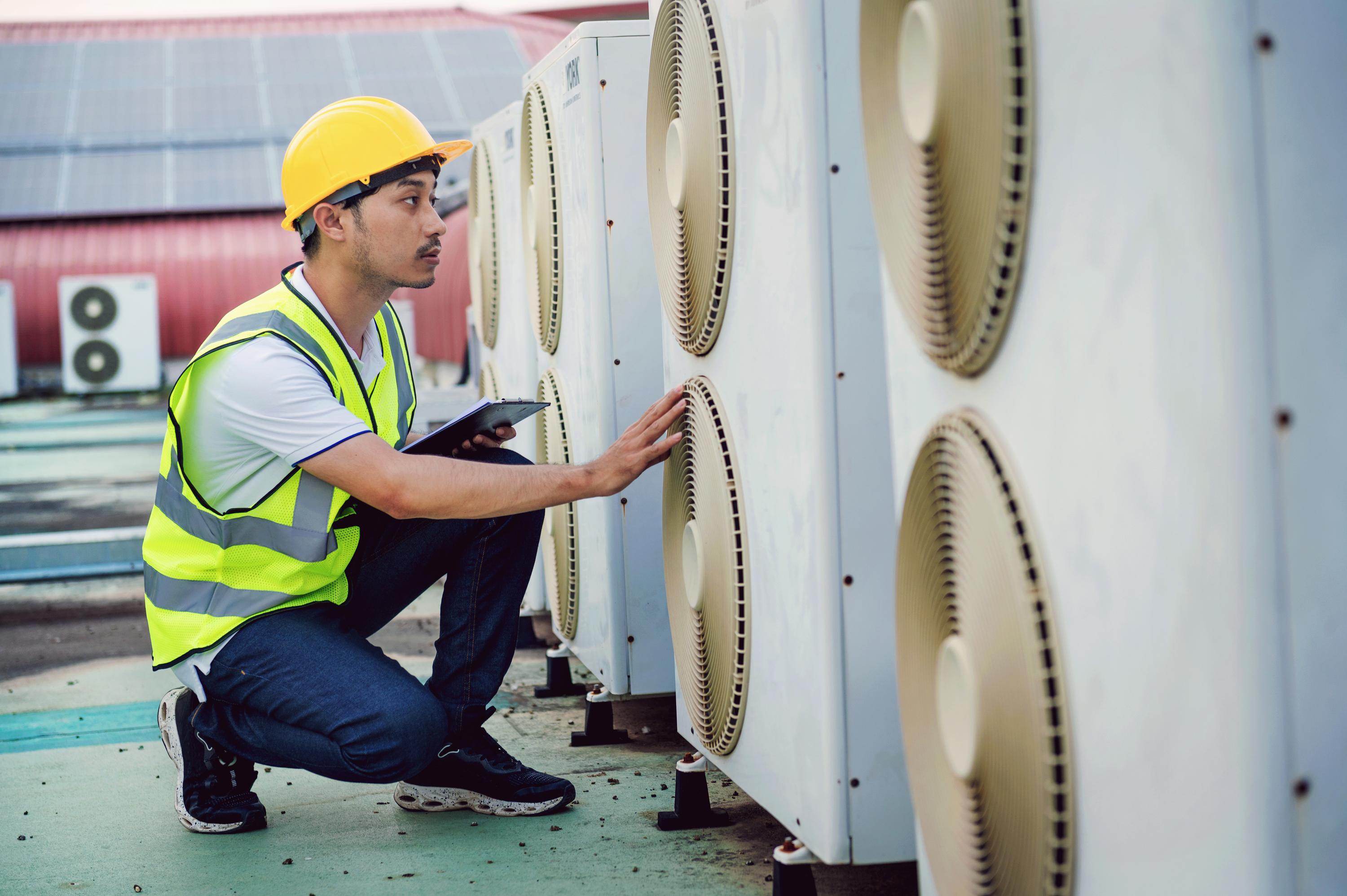
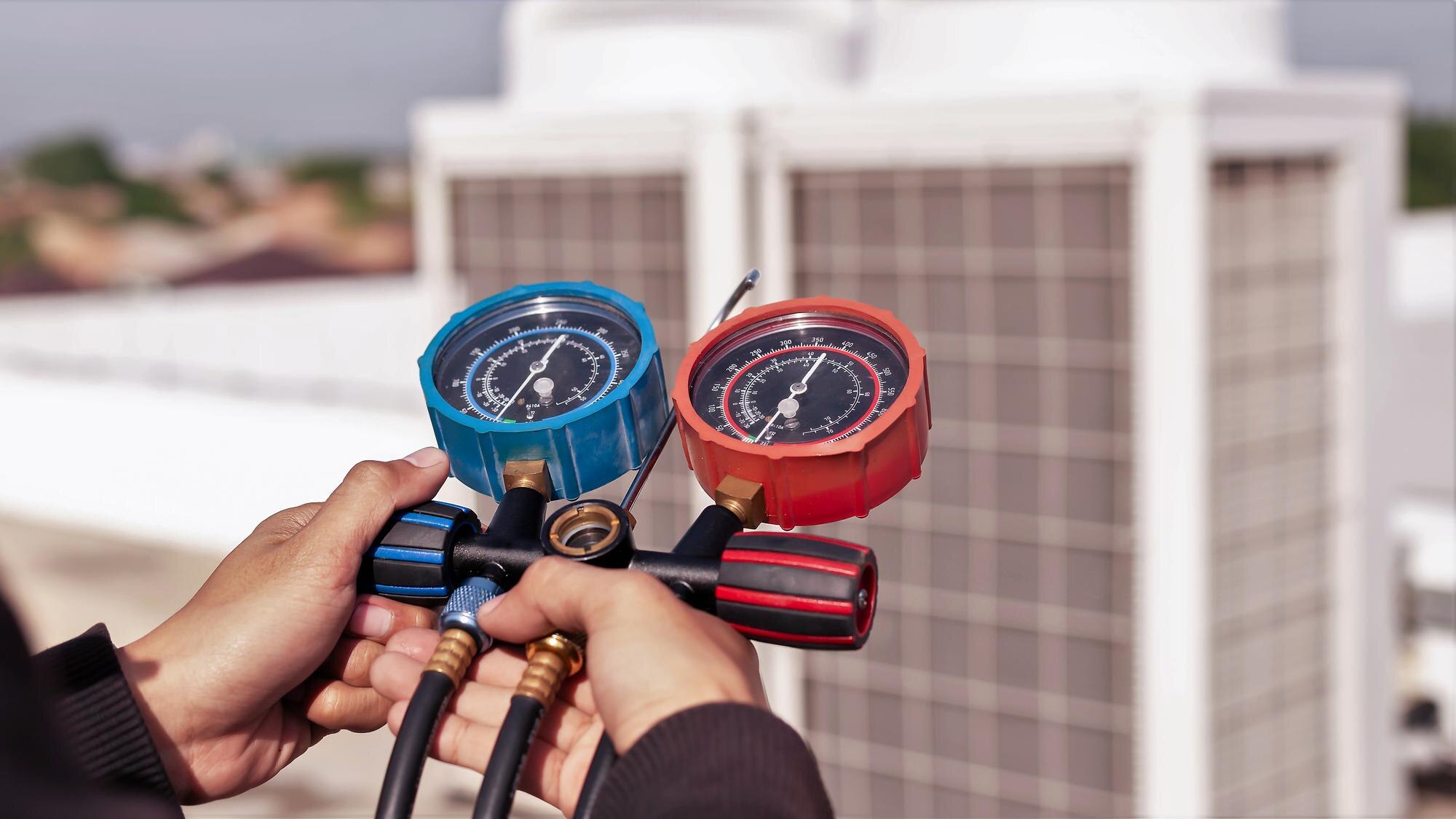
    Chillers are crucial in keeping your facility cool, especially during late-summer peaks. Ensure they receive regular maintenance to avoid unexpected failures. Clean and inspect condenser coils, check refrigerant levels, and monitor system pressures.

    Regular maintenance helps maintain energy efficiency and prolongs the life of your chillers. If you notice any unusual noises or a drop in performance, address these immediately. Early intervention can prevent more significant issues down the line.

    Cooling Tower and Coil Cleaning

    Cooling towers play a vital role in your HVAC-R systems. Keeping them clean improves efficiency and prevents system malfunctions. Regularly remove scale, sediment, and biological growth to ensure optimal performance.

    Cleaning coils is equally important. Dirty coils can reduce system efficiency, leading to increased energy consumption and operating costs. Make coil cleaning a part of your regular maintenance routine to keep your systems running smoothly.

    Optimizing Controls and Efficiency
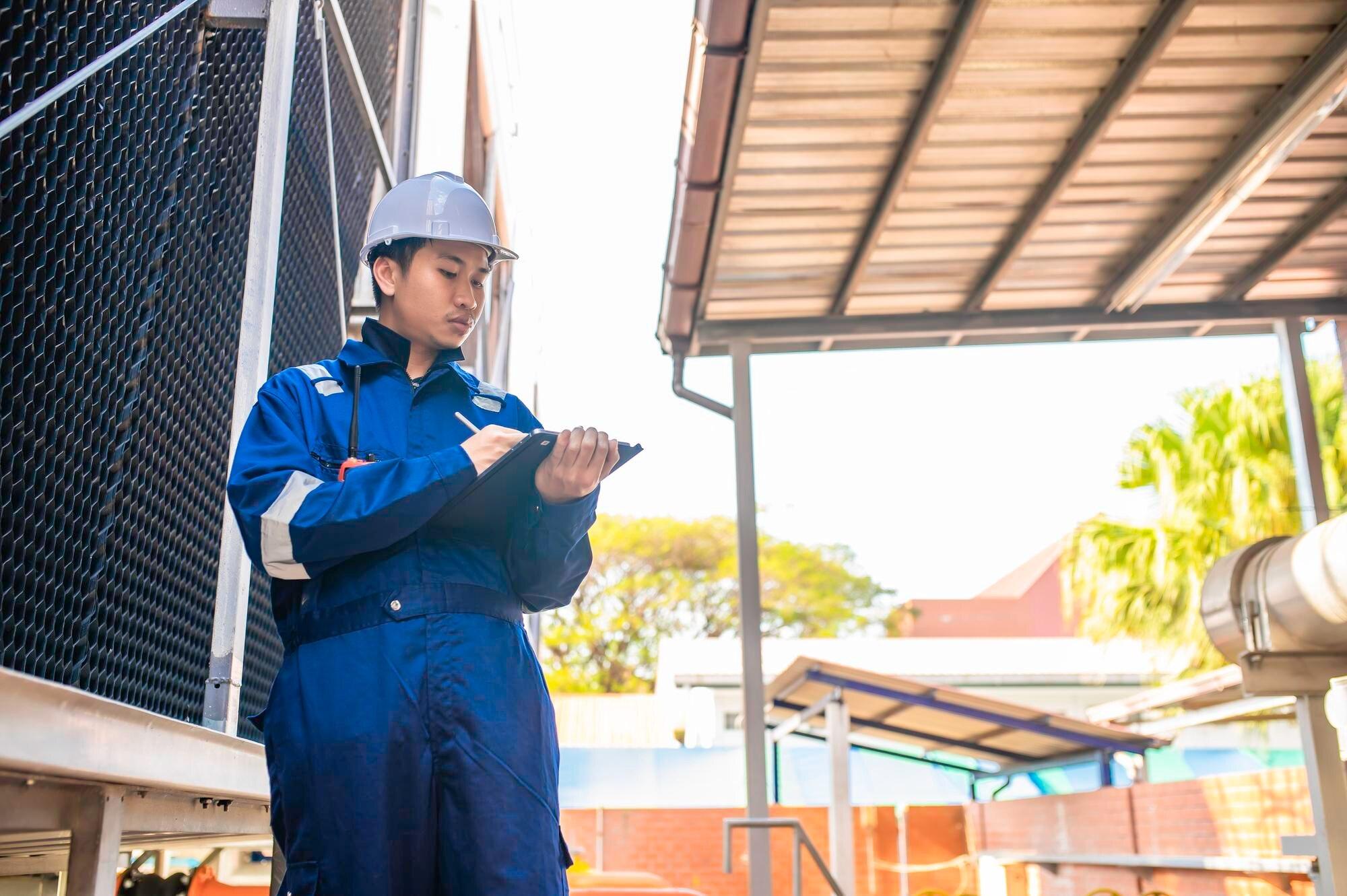
    Unlocking the full potential of your HVAC-R systems requires fine-tuning controls and maximizing efficiency. This helps in managing energy consumption and reducing operational costs.

    VFD and BAS Tuning

    Variable Frequency Drives (VFDs) and Building Automation Systems (BAS) are integral to efficient HVAC-R operation. Regular tuning ensures these systems operate at peak performance. Adjusting setpoints and calibrating sensors can significantly impact energy use.

    Proper tuning reduces wear on components, extending their lifespan. It also allows for better response to varying loads, ensuring your facility remains comfortable even during peak demand.

    Load Shedding Strategies

    Managing energy use during peak periods is crucial. Implement load shedding strategies to reduce consumption without compromising comfort. Identify non-essential loads that can be temporarily turned off or reduced.

    This approach helps lower energy costs and prevent overloading systems. Load shedding can be automated using BAS for seamless integration into your energy management plan.

    Energy Efficiency in Plants

    Energy efficiency is more than just a cost-saving measure; it enhances overall system reliability. Focus on reducing waste and optimizing processes. Consider upgrading to high-efficiency components where feasible.

    Regular energy audits can identify areas for improvement. Implementing changes based on these audits leads to long-term savings and a reduced environmental impact.

    Ensuring Reliability and Compliance
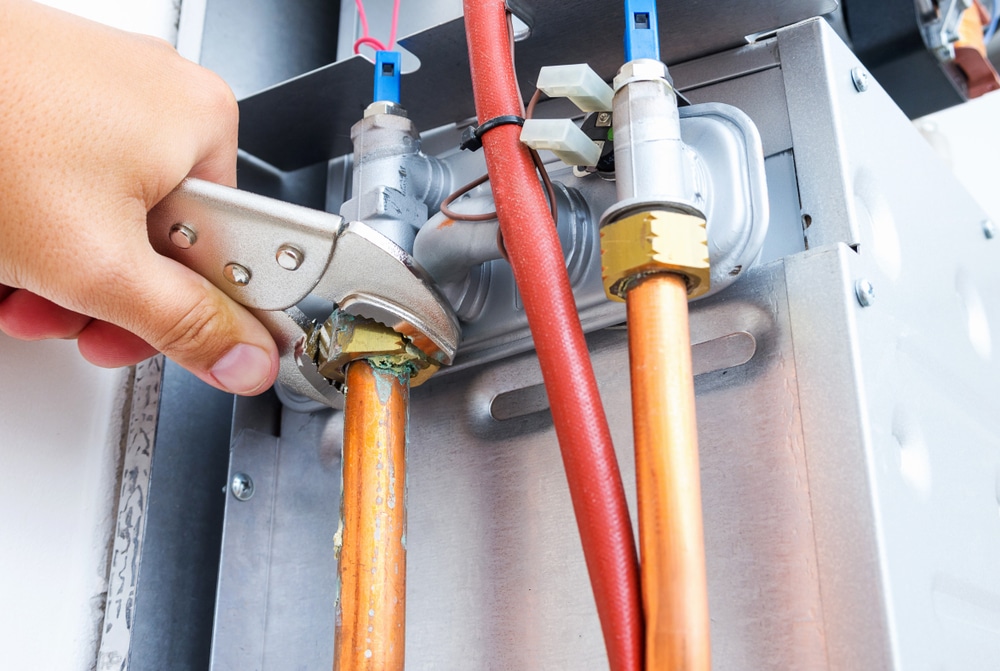
    Reliability and compliance go hand in hand in maintaining a safe, efficient facility. Ensure your systems meet all regulatory standards and are prepared for any eventuality.

    Refrigerant Leak Detection

    Refrigerant leaks can be costly and harmful to the environment. Implement a leak detection program to catch leaks early. Regular checks and maintenance can prevent significant losses and ensure compliance with environmental regulations.

    Compliance with EPA and FDA Standards

    Compliance with standards like EPA’s 608 and FDA’s cGMP is vital. Regularly review your systems and processes to ensure they meet these requirements. Compliance not only avoids penalties but also ensures the safety and reliability of your operations.

    Emergency Response Planning and Redundancy Testing

    Planning for emergencies is essential. Develop a comprehensive response plan and conduct regular redundancy testing. This ensures your facility can quickly recover from unexpected events, minimizing downtime and maintaining safety.

    Frequently Asked Questions

    How often should HVAC-R systems be inspected?
    HVAC-R systems should be inspected at least twice a year, ideally in the spring and fall, to prepare for seasonal changes and peak demands.

    What are the signs of a failing chiller?
    Signs include unusual noises, reduced cooling capacity, and increased energy consumption. Regular maintenance helps catch these issues early.

    How can I improve energy efficiency in my plant?
    Start with regular energy audits to identify areas for improvement. Upgrade to high-efficiency equipment and optimize controls for better energy management.

    Why is refrigerant leak detection important?
    Detecting leaks early prevents costly repairs and environmental damage. It also ensures compliance with environmental regulations.

    What should an emergency response plan include?
    Your plan should cover procedures for different emergency scenarios, a communication strategy, and regular testing to ensure effectiveness.
    Vist our Site

  2. Industrial HVAC-R Maintenance That Protects Uptime, Controls Energy, and Elevates Safety

    Comments Off on Industrial HVAC-R Maintenance That Protects Uptime, Controls Energy, and Elevates Safety

    Unexpected HVAC-R downtime costs your plant thousands every hour. Ignoring industrial HVAC maintenance risks production halts, energy waste, and safety hazards. You need a proactive plan that keeps chillers, cooling towers, and refrigeration systems running smoothly. This post outlines how HVAC-R preventive maintenance protects uptime, controls energy use, and strengthens safety protocols in your facility. Book a site assessment today to start protecting your operations. For more information, visit our blog.

    Protecting Uptime with HVAC-R Maintenance

    Creating a dependable HVAC-R maintenance schedule is essential for maintaining operational efficiency. It prevents unexpected failures and costly downtime.

    Key Elements of Preventive Care

    Preventive care for HVAC-R systems involves regular inspections and maintenance tasks. Key elements include checking system components, cleaning filters, and ensuring proper airflow. Regular upkeep helps avoid major system breakdowns. Scheduled inspections identify potential issues before they become major problems. This approach saves money and extends the lifespan of your equipment. Keeping systems well-maintained ensures they operate efficiently and reliably. A proactive maintenance plan minimizes disruptions and protects your bottom line.

    Critical Systems and Equipment Coverage

    Ensuring comprehensive coverage for all critical systems is vital. This includes chillers, cooling towers, and refrigeration units. Each component requires specific maintenance tasks. Chillers need regular monitoring of coolant levels and cleaning of heat exchange surfaces. Cooling towers benefit from routine cleaning and water treatment to prevent scale buildup. Refrigeration units should have seals and gaskets checked to avoid leaks. Covering these systems ensures they function smoothly and efficiently, reducing the risk of unexpected failures.

    Case Study: Uptime Success Stories

    Let’s explore a success story where preventive maintenance made a significant impact. A manufacturing facility implemented a thorough maintenance program. This approach reduced unscheduled downtime by over 50%. Their energy costs also dropped by 15%, thanks to improved system efficiency. Regular maintenance checks caught potential issues early, preventing major failures. This proactive approach resulted in seamless operations and increased productivity. Such success stories highlight the importance of investing in preventive care for industrial HVAC-R systems.

    Controlling Energy in Industrial Settings

    Energy efficiency plays a crucial role in industrial settings. Optimizing HVAC systems can lead to substantial savings and environmental benefits.

    Energy-Efficient HVAC for Industry

    Adopting energy-efficient HVAC solutions is essential for industrial operations. Upgrading to high-efficiency systems reduces energy consumption. Modern units offer improved performance while lowering utility bills. Energy-efficient systems not only cut costs but also reduce your facility’s carbon footprint. By investing in efficient technology, you contribute to a sustainable future. Simple upgrades, such as variable speed drives and smart controls, can make a significant difference.

    BAS Optimization and Retro-Commissioning

    BAS optimization and retro-commissioning enhance system performance. These processes involve fine-tuning your building automation system. Retro-commissioning identifies areas for improvement in existing systems. By optimizing controls and settings, you can enhance energy efficiency. This approach ensures your facility operates at peak performance. Investing in these strategies leads to long-term savings and improved system reliability.

    Implementing Energy Audits and Reporting

    Conducting energy audits is a smart move for identifying inefficiencies. These audits provide valuable insights into your facility’s energy usage. Implementing recommended changes can lead to significant savings. Regular reporting keeps you informed about energy consumption trends. This data-driven approach allows for better decision-making and continuous improvement. By focusing on energy audits, you ensure your facility remains efficient and cost-effective.

    Elevating Safety and Compliance Standards

    Maintaining safety and compliance is crucial in industrial environments. Proper HVAC-R maintenance plays a vital role in achieving these goals.

    GMP HVAC Support and Cleanroom Maintenance

    GMP HVAC support ensures clean environments in regulated industries. Cleanroom maintenance is vital for pharmaceutical and food processing facilities. Regular cleaning and inspection keep these spaces contamination-free. Adhering to strict standards ensures product quality and safety. Investing in proper HVAC support minimizes risks and ensures compliance. This proactive approach protects both your products and your reputation.

    Comprehensive Refrigerant Management Practices

    Managing refrigerants properly is essential for safety and environmental compliance. Regular checks and maintenance prevent leaks and ensure efficient operation. Proper handling and disposal of refrigerants protect the environment. Compliance with regulations ensures your facility avoids costly penalties. Implementing comprehensive management practices demonstrates your commitment to safety and sustainability.

    24/7 Emergency HVAC Repair Services

    Having access to 24/7 emergency HVAC repair services is crucial. Quick response times minimize downtime and prevent costly disruptions. Reliable service providers offer peace of mind, knowing help is available when needed. Having a trusted partner ensures your facility remains operational, even in emergencies. Investing in this level of support protects your business from unexpected challenges.

    Frequently Asked Questions

    What is preventive HVAC-R maintenance?

    Preventive HVAC-R maintenance involves regular checks and servicing to ensure systems operate efficiently. It helps identify potential issues before they lead to major failures, reducing downtime and extending equipment lifespan.

    How does energy-efficient HVAC benefit industrial settings?

    Energy-efficient HVAC systems reduce energy consumption, leading to lower utility bills. They also decrease your facility’s carbon footprint, contributing to a more sustainable future.

    What is BAS optimization?

    BAS optimization involves fine-tuning your building automation system to enhance efficiency. It ensures systems operate at peak performance, leading to energy savings and improved reliability.

    Why is cleanroom maintenance important?

    Cleanroom maintenance is vital for industries requiring contamination-free environments, like pharmaceuticals. It ensures product quality and safety by adhering to strict cleanliness standards.

    How can 24/7 emergency HVAC repair services benefit my facility?

    Having access to 24/7 emergency repair services ensures quick response times during unexpected breakdowns, minimizing downtime and costly disruptions.