



Navigating Emergency Mechanical Repairs: A Step-by-Step Guide for Industrial Facilities
Comments Off on Navigating Emergency Mechanical Repairs: A Step-by-Step Guide for Industrial FacilitiesNavigating Emergency Mechanical Repairs: A Step-by-Step Guide for Industrial Facilities
Emergency mechanical repairs can bring your entire operation to a halt in minutes. When downtime costs pile up, you need clear steps to get your facility back on track fast. This guide breaks down essential actions to reduce downtime and maintain operational integrity during mechanical emergencies. For more insights, check out this guide on handling emergencies. Contact Marshall Industrial Technologies for immediate support—we’re ready 24/7 to keep your industrial services running smoothly.
Understanding Emergency Mechanical Repairs

Emergencies in industrial settings can disrupt operations quickly. It’s crucial to grasp the essentials of emergency mechanical repairs to act swiftly. This section covers rapid response and situation assessment.
Importance of Rapid Response
When equipment fails, every second counts. A prompt reaction minimizes losses and prevents further damage. An immediate response involves having protocols in place, such as pre-assigned roles for team members. Keep a list of contact numbers for key personnel handy.
Preparation is critical. Ensure that your team knows who to call first and what initial steps to take. Identify essential equipment that requires urgent attention. By doing this, you can prioritize repairs and maintain safety.
Moreover, quick reactions help maintain product quality, which can suffer during prolonged downtimes. 90% of facilities report quality issues after extended equipment failure. Rapid action keeps production standards intact and customers satisfied.
Assessing the Situation
Before diving into repairs, it’s vital to understand the problem at hand. Assessing the situation means checking the malfunction’s impact and scope. This includes identifying which systems are affected and how severely.
Start by reviewing recent maintenance logs. These can offer insights into recurring issues. Inspect the equipment visually for any obvious signs of damage or wear. Use tools like sensors or diagnostic software to detect less visible problems.
By thoroughly assessing the situation, you can avoid unnecessary repairs and focus on the root cause. This targeted approach saves time and resources, leading to faster recovery.
Steps to Efficient Mechanical Repairs
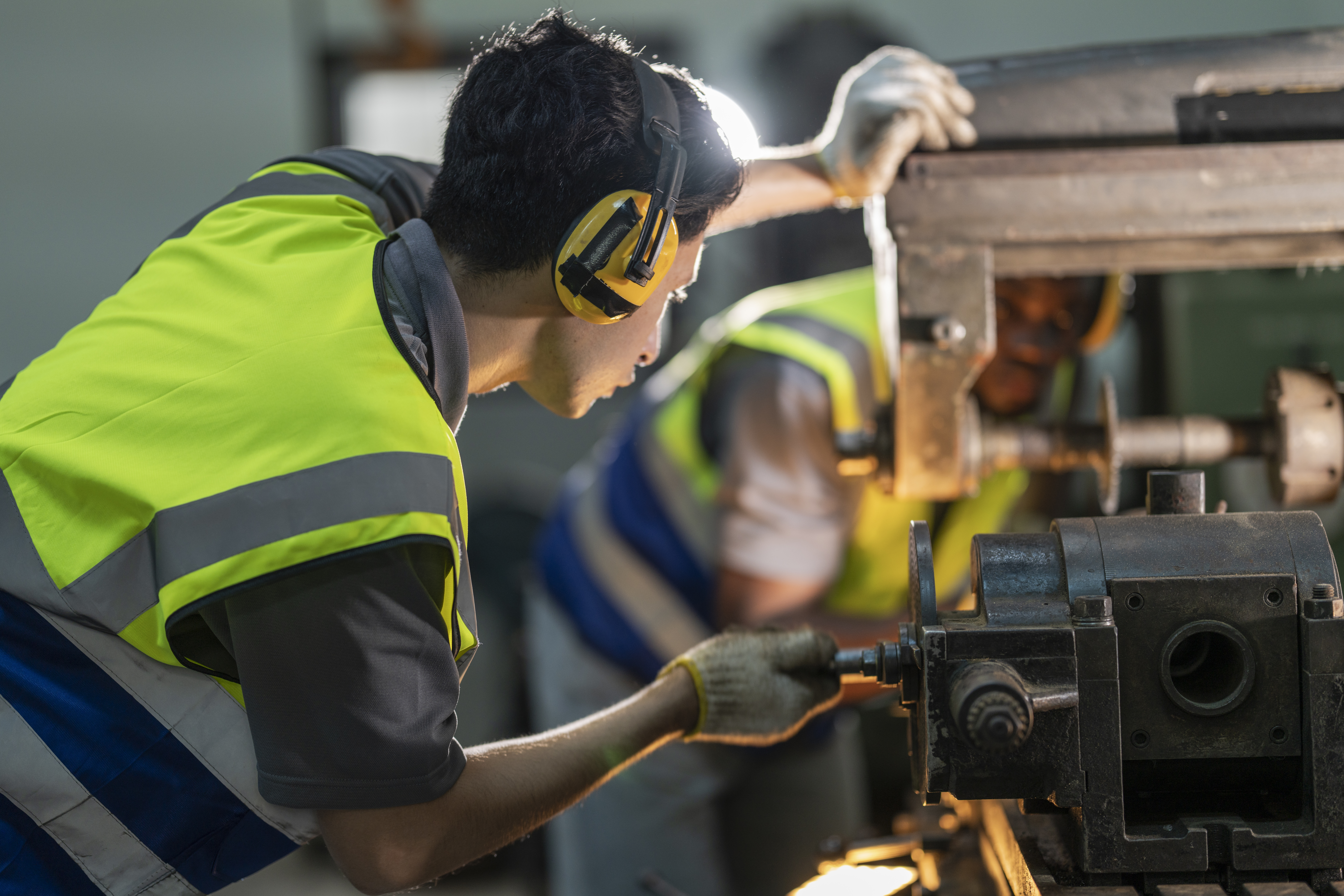
Efficient repairs hinge on a structured, thoughtful approach. This section outlines assembling the right team and prioritizing safety and compliance.
Assembling the Right Team
Having the right people in place is half the battle. Skilled professionals bring the know-how needed to fix issues promptly. Your team should include technicians familiar with your systems and equipment.
Assign roles based on expertise. For instance, if your HVAC system is down, your HVAC specialist should lead the repair. This ensures each aspect of the repair is handled by someone experienced. Cross-training employees can also be beneficial, as it allows for flexibility in emergencies.
Communicate clearly with your team. Set expectations and keep everyone informed about progress. This coordination helps prevent missteps and overlaps, enabling a smoother repair process.
Prioritizing Safety and Compliance
Safety should always be your top concern. Injuries not only harm employees but also halt operations. Ensure that everyone follows safety protocols and uses proper protective gear.
Keep compliance in mind as well. Regulations exist for a reason; they ensure operations are safe and reliable. A single oversight can lead to penalties or even shutdowns. Regular training helps your team stay updated on safety standards.
Remember, a safe work environment is a productive one. When employees feel secure, they work more efficiently, reducing downtime and potential accidents.
Partnering with Marshall Industrial Technologies

Choosing the right partner can make all the difference. Marshall Industrial Technologies offers 24/7 support and ensures minimal downtime for your operations.
Benefits of 24/7 Support
Having access to support at any hour is invaluable. Equipment doesn’t wait for business hours to break down. With round-the-clock support, you can address issues as they arise, rather than waiting until morning.
Marshall Industrial Technologies provides immediate responses and expert solutions whenever you need them. This continuous availability means you never have to face a problem alone. Your facility’s productivity is maintained, and disruptions are minimized.
Ensuring Downtime Reduction
Reducing downtime not only saves money but also protects your reputation. Customers expect reliability, and prolonged shutdowns can erode trust. With Marshall Industrial Technologies, you gain a partner dedicated to preventing and quickly resolving issues.
Our strategies focus on proactive maintenance and swift interventions. By staying ahead of potential problems, we help you maintain seamless operations. Our proven methods ensure your industrial services remain up and running, safeguarding your bottom line.
In summary, quick action, a skilled team, and the right partner are critical in navigating emergency mechanical repairs. By following these steps, you can minimize disruption and keep your facility operating smoothly.
Uncover Hidden Risks in Your Industrial Equipment Before They Cause Downtime
Comments Off on Uncover Hidden Risks in Your Industrial Equipment Before They Cause DowntimeUncover Hidden Risks in Your Industrial Equipment Before They Cause Downtime
Hidden industrial equipment risks often go unnoticed—until downtime hits hard and costly. You already know preventive maintenance matters, but uncovering those silent threats before failure is where real downtime prevention starts. We’ll show you how to spot hidden dangers early, boosting equipment reliability and industrial safety. Contact us for a comprehensive risk assessment of your industrial equipment today! For more insights, check out this article.
Understanding Industrial Equipment Risks
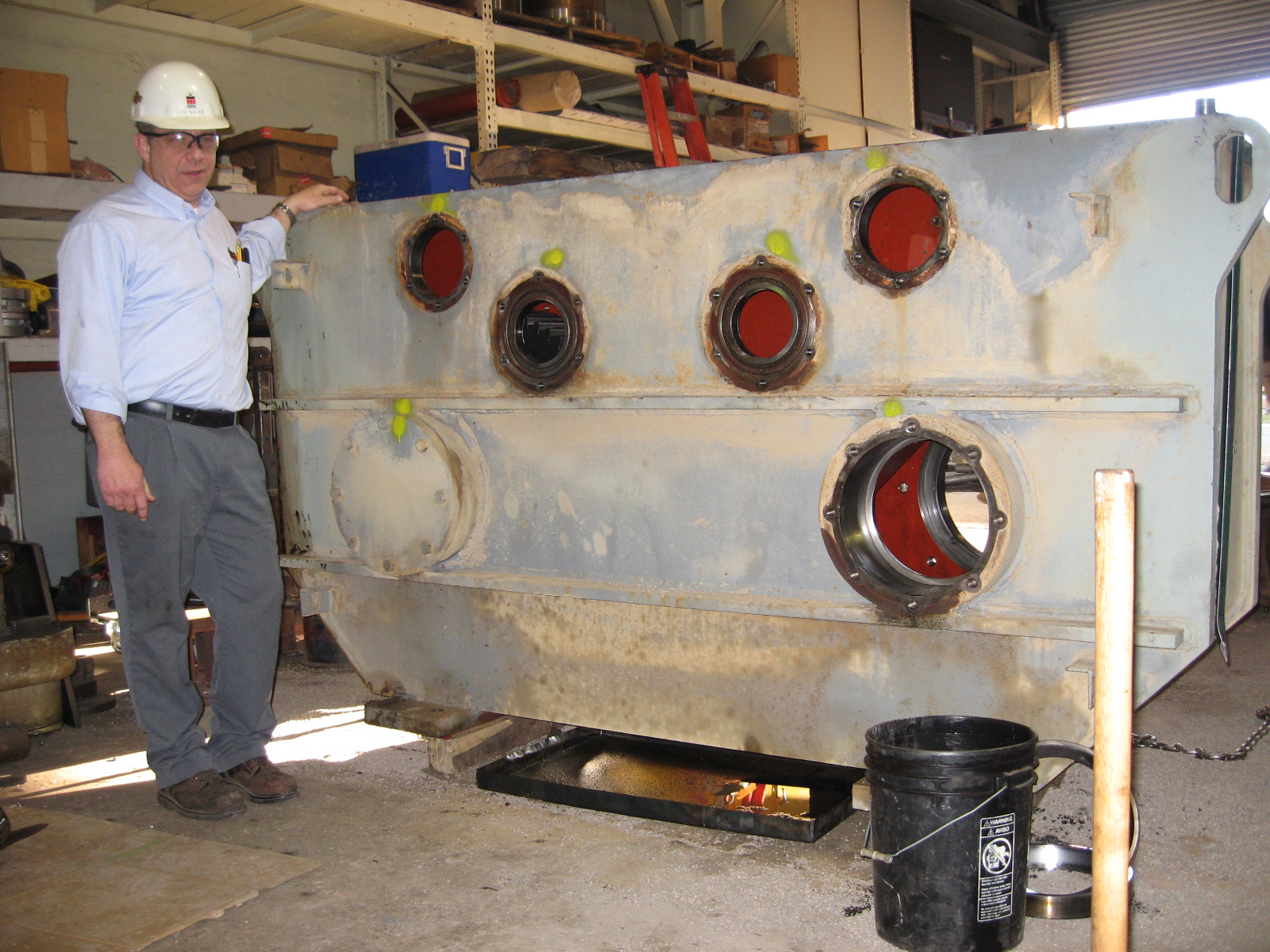
Hidden dangers in industrial equipment can lead to unexpected downtime. Let’s explore these risks to ensure your equipment stays reliable and safe.
Identifying Common Risk Factors
Many factors threaten industrial equipment. Wear and tear tops the list. Over time, parts degrade, leading to failures. Imagine a conveyor belt in constant use; if unchecked, it might snap, causing a halt in production. Environmental conditions also play a role. Dust, moisture, and temperature fluctuations can damage sensitive machinery. For instance, electronic components might fail if exposed to too much heat. Lastly, human error is a significant risk. Incorrect operation or maintenance can lead to early equipment failure.
It’s crucial to conduct regular checks to spot these risks early. A simple visual inspection can reveal worn parts or environmental damage. However, advanced tools like thermal imaging can detect issues that aren’t visible to the naked eye. By identifying risk factors early, you can plan maintenance before a problem becomes a crisis. For more insights, consider exploring this resource on common equipment failures.
Importance of Equipment Reliability
When your equipment is reliable, your operations run smoothly. This means fewer unexpected stops and increased productivity. Imagine a factory where machines break down frequently; the costs in repairs and lost production can be enormous. Reliable equipment ensures consistent output, leading to better profit margins.
Investing in reliability also boosts safety. Faulty machines can be hazardous to workers. By maintaining your equipment, you protect your team from potential accidents. Reliable equipment also gives you peace of mind. Knowing your machinery is in top condition allows you to focus on other critical business areas. Most importantly, it helps maintain customer trust by ensuring timely deliveries.
Implementing Preventive Maintenance Strategies
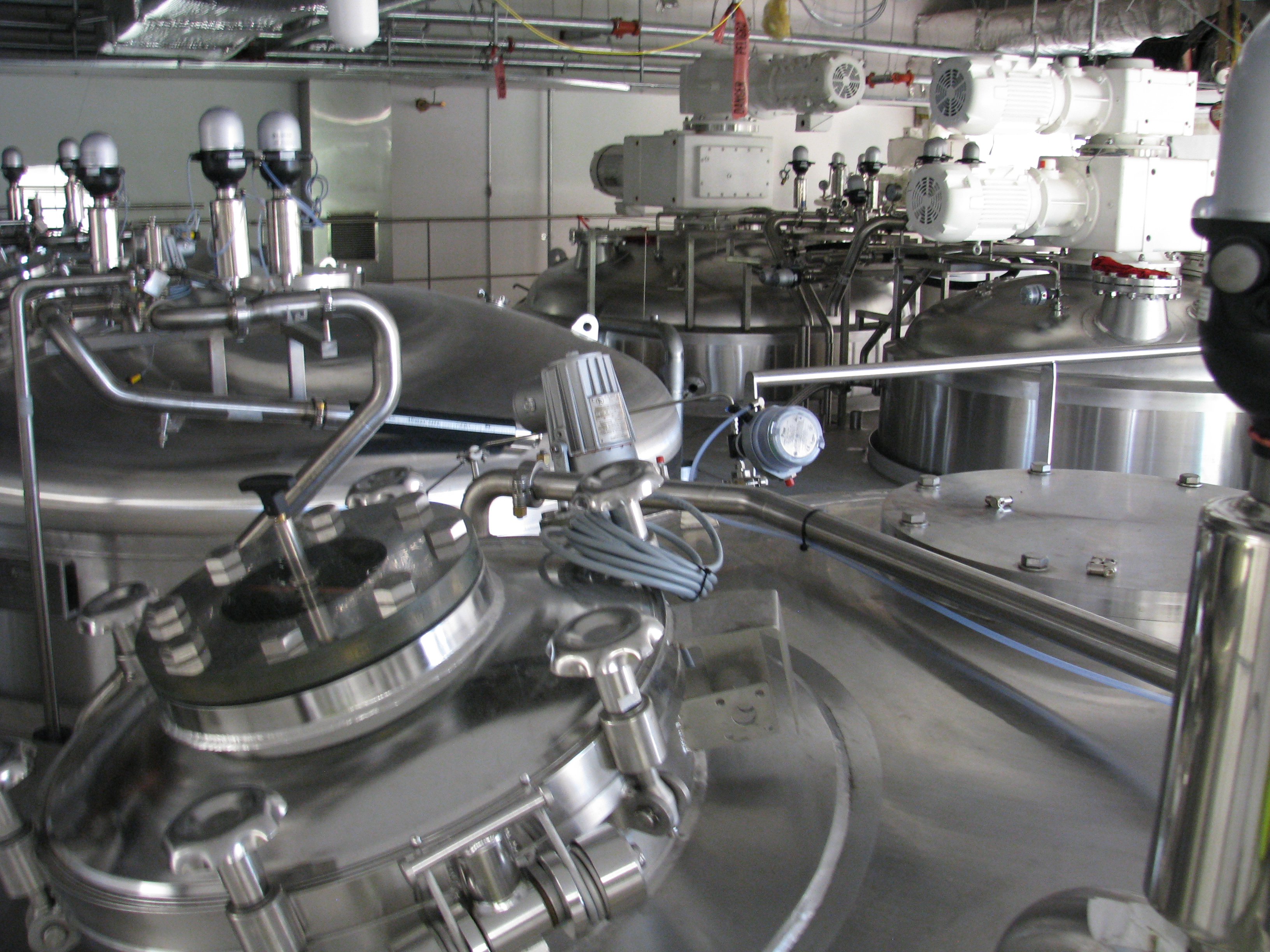
Preventive maintenance is your best defense against unexpected failures. Here’s how you can strategically implement it to keep your operations running smoothly.
Scheduling Regular Inspections
Regular inspections are the cornerstone of preventive maintenance. By checking equipment frequently, you catch issues before they escalate. Start by creating a schedule. Determine which machines need weekly checks and which can be inspected monthly. For example, a high-use machine like a pump might require more frequent attention than a rarely used generator.
During inspections, look for wear and tear signs, listen for unusual noises, and check for leaks. Document your findings. This helps track patterns and predict future maintenance needs. Additionally, consider using digital tools for more precise monitoring. Sensors that track vibration or temperature changes can alert you to potential problems instantly. Explore how preventive maintenance can reduce downtime and enhance equipment reliability.
Training for Industrial Safety
Training your team is equally vital. Proper training ensures that your staff operates equipment safely and efficiently. Start with safety protocols. Make sure everyone knows the correct procedures for operating each machine. Regular training sessions can help reinforce these skills. Use real-life scenarios to illustrate potential hazards and how to avoid them.
Additionally, provide technical training. Your team should know how to perform basic maintenance tasks, like changing filters or lubricating moving parts. This not only extends equipment life but also empowers your employees. They become valuable assets in identifying early signs of equipment wear. This proactive approach keeps your operations safe and efficient.
Downtime Prevention Techniques
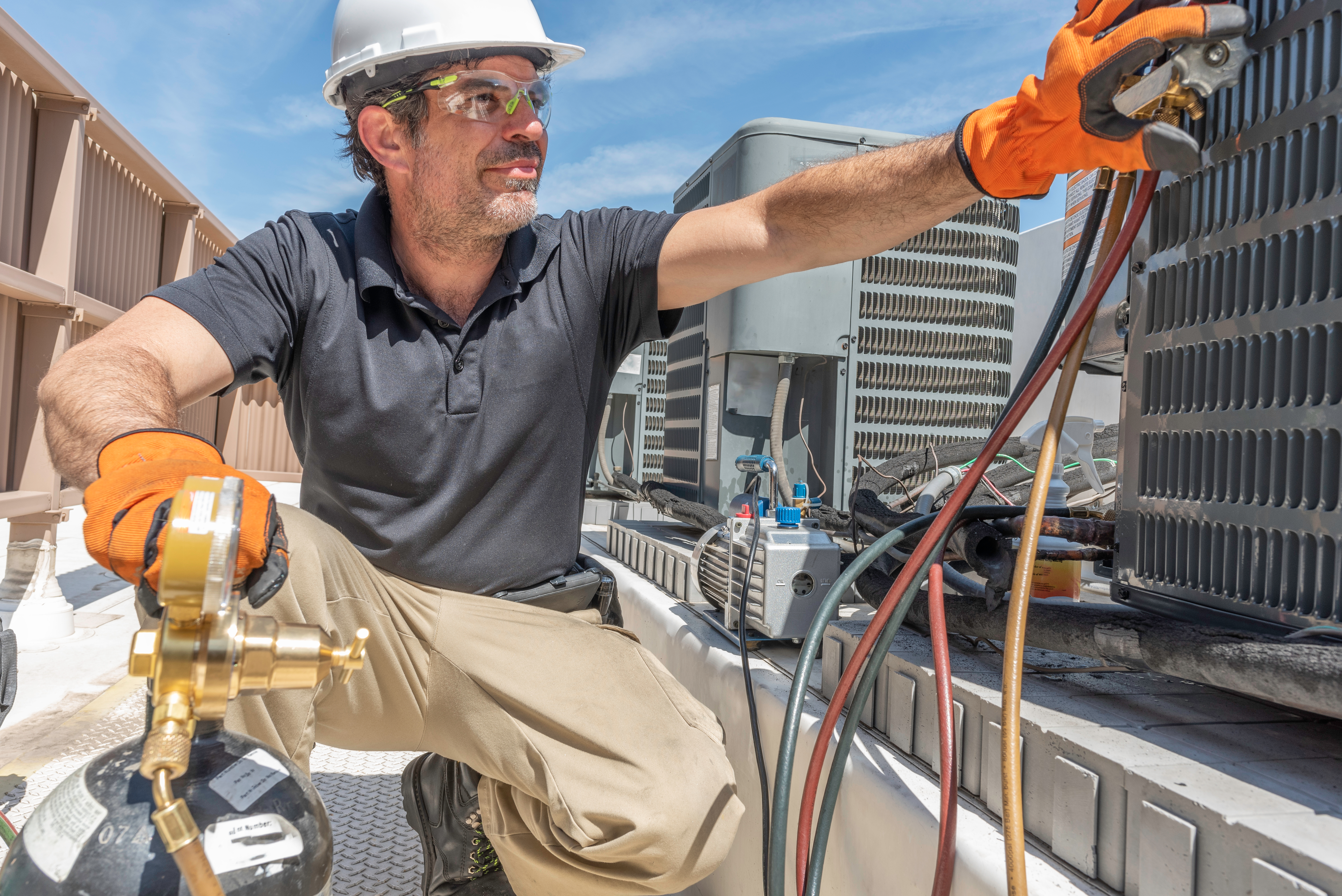
Preventing downtime involves more than just regular maintenance. By leveraging technology and thorough assessments, you can keep operations smooth and uninterrupted.
Utilizing Predictive Technologies
Predictive technologies are game-changers in downtime prevention. They use advanced tools to forecast issues before they become problems. For instance, vibration analysis can detect unusual patterns, hinting at potential equipment failure. Similarly, infrared thermography can reveal overheating components, allowing for timely intervention.
Implementing these technologies can significantly reduce downtime. They help you move from reactive to proactive maintenance. By predicting when a part might fail, you can schedule repairs during non-peak hours, minimizing disruption. Incorporating predictive solutions not only saves time but also reduces costs in the long run. For a deeper dive into predictive maintenance benefits, visit this insightful article.
Conducting Comprehensive Risk Assessments
A thorough risk assessment is crucial for understanding potential threats to your equipment. Start with a complete inventory of all machinery. Evaluate each piece for age, usage, and condition. This helps prioritize which equipment needs immediate attention.
Next, analyze potential failure points. Consider external factors like environmental conditions and internal factors such as wear patterns. Engage experts if necessary to ensure a comprehensive evaluation. Document your findings and create an action plan. This proactive approach helps prevent unexpected failures and ensures continuous operation.
By understanding risks and implementing the right strategies, you can avoid costly downtime and keep your operations running effectively.
Electrical & Mechanical Hazards to Watch for This Winter
Comments Off on Electrical & Mechanical Hazards to Watch for This WinterWinter brings unique challenges for industrial facilities, particularly when maintaining electrical and mechanical systems and infrastructure, and overall plant performance. As temperatures drop, equipment, piping, and ventilation systems operate under different conditions that can affect reliability, efficiency, and safety.
However, most winter-related issues can be avoided with planning, seasonal inspections, and a proactive maintenance strategy. Experienced industrial maintenance contractors allow you to identify risks in advance and ensure your mechanical, electrical, and utility systems are prepared for colder weather.
With input from our operations team, we’ve compiled a list of winter hazards commonly seen in industrial environments, along with practical steps to prevent disruptions.
1. Frozen Piping and Heat Trace Reliability
Frozen utility piping, cooling lines, and sanitary process piping are among the most common cold-weather problems. Many facilities rely on heat trace cables to maintain pipe temperature, but these systems require regular verification. A failed heat trace circuit can go unnoticed until a pipe freezes, resulting in costly repairs and downtime.
To avoid freeze-related issues, test your heat trace systems annually as temperatures begin to fall – late enough in the season for circuits to activate properly, but early enough to adjust before freezing conditions set in. Industrial specialty contractors can help incorporate heat trace inspections into your plant maintenance services schedule to ensure you won’t run into a cold-weather failure.
2. Equipment Strain from Cold Temperatures
As temperatures drop, outdoor valves, pumps, actuators, and other components may stiffen or freeze, reducing efficiency or interrupting production. At the same time, colder conditions can thicken lubricants, stiffen seals, and cause materials to contract, increasing wear on rotating equipment and altering how machinery performs under load.
A structured preventive maintenance plan, combined with routine inspections by teams skilled in mechanical equipment and machinery repair services, helps identify these issues early and ensures your equipment remains responsive and reliable throughout the winter months.
3. Ventilation and Clean Air Considerations in Enclosed Conditions
Winter often results in more tightly sealed buildings, which naturally limits airflow. For industries such as pharmaceuticals, plastics, food production, and chemical processing, clean, circulating air is essential for process stability and employee comfort and safety.
Reduced airflow becomes even more critical in facilities that operate high-heat processes year-round. Manufacturers operating large ovens or furnaces, or working with molten materials, must maintain consistent room temperatures to protect workers and ensure proper equipment performance. In enclosed winter conditions, heat can build up quickly, placing additional stress on sensitive electrical components and reducing the efficiency of industrial electrical systems and maintenance activities.
Proactive evaluation of ventilation, exhaust, and temperature-control systems by experienced industrial HVAC and electrical contractors helps maintain a stable, reliable environment throughout the winter season. Adjustments to airflow, HVAC balancing, and electrical system support can significantly reduce winter-related risks and ensure your production stays on track.
4. Condensation & Moisture Around Electrical Equipment
Rapid temperature changes, such as bringing cold air into a warm facility or cycling equipment on and off, can create condensation inside electrical enclosures, motor housings, control panels, and junction boxes. Even small amounts of moisture can lead to corrosion, nuisance tripping, short circuits, and premature component failure.
Moisture-related electrical issues are especially common in winter because humid indoor air meets cold surfaces, creating condensation inside equipment that is otherwise functioning normally. To prevent winter-related moisture problems, we recommend the following proactive measures:
- Inspect and seal electrical enclosures before winter onset
- Install enclosure heaters or dehumidifiers where needed
- Review insulation and air-sealing around sensitive equipment
- Include moisture checks during routine industrial electrical maintenance
Partnering with experienced industrial electrical contractors helps ensure critical systems remain dry, protected, and reliable throughout the winter months.
Best Strategy for Cold Weather: Plan Ahead for Winter
Winter challenges are predictable, and the most effective way to protect your facility is to plan early. When we work with facilities ahead of the season, we can help ensure existing equipment, systems, and upcoming projects are prepared for colder conditions. Here are a few ways early collaboration makes a bottom-line difference:
- Identify mechanical, electrical, or utility piping vulnerabilities: Early evaluations make it easier to address potential issues like frozen piping, reduced airflow, equipment overheating, or winter-related electrical inefficiencies.
- Offer high-level budgets and feasibility guidance for seasonal maintenance or upgrades: This gives you clarity about which winter-prep items should be prioritized based on risk, cost, and operational needs.
- Highlight potential risks or overlooked factors specific to cold-weather operation: These may include heat trace reliability, airflow limitations, condensation risks, lubrication changes, or increased electrical loads during winter.
- Recommend optimal sequencing and timing for winter-related maintenance or capital improvements: Proper scheduling, such as testing heat trace systems right before temperature drops or adjusting ventilation before peak production, helps prevent avoidable disruptions.
When you take this early-planning approach with an industrial general contractor like us, you benefit from clearer expectations, stronger project outcomes, and smoother coordination with vendors and trades, resulting in a safer, more reliable winter season.
Your Single Source for Electrical and Mechanical Winter-Ready Facility Protection
Based in the industrial Northeast, we provide mechanical, electrical, HVAC, piping services, and plant maintenance services to help your facility operate reliably year-round. Choose our single-provider approach for a streamlined, cost-effective way to plan inspections and maintenance, no matter the weather.
Ready to optimize your electrical and mechanical systems for winter? Contact us to schedule a conversation with our team.
Planning Your Facility’s Maintenance: Avoid Costly Emergency Repairs
Comments Off on Planning Your Facility’s Maintenance: Avoid Costly Emergency RepairsPlanning Your Facility’s Maintenance: Avoid Costly Emergency Repairs
Emergency repairs drain your budget and disrupt production. Skipping proper facility maintenance only invites unexpected breakdowns when you can least afford them. With well-planned preventive maintenance, you protect your operations and control costs. Let’s explore how maintenance planning with Marshall Industrial Technologies keeps your facility running smoothly and avoids costly emergency repairs. Contact us for a customized maintenance plan today. For more tips, visit this guide on avoiding costly emergency repairs.
Importance of Maintenance Planning

Keeping your facility in top shape requires a proactive approach. This is where maintenance planning comes in. By anticipating needs and addressing them, you maintain seamless operations.
Preventive Maintenance Strategies
Preventive maintenance is your first line of defense against unexpected breakdowns. By regularly checking and servicing equipment, you can extend its lifespan. Imagine catching a small issue before it becomes a major problem. About 82% of companies report fewer equipment failures when they employ preventive strategies. Start with a detailed maintenance checklist that suits your facility’s needs to ensure you’re covering all bases.
Consider scheduling inspections during low-activity periods. This minimizes disruptions. It’s also wise to train your team to recognize early signs of wear and tear. With everyone on the lookout, potential issues are spotted faster. For more strategies, check out these preventive maintenance tips.
Scheduling Regular Inspections
Regular inspections are crucial in spotting issues early. Conducting these checks weekly or monthly helps maintain equipment performance. A short downtime for inspections can prevent costly repairs later. It’s like getting a health check-up—catching issues early helps avoid more significant problems down the line.
Document each inspection to track patterns. This information can be invaluable in predicting future maintenance needs. Consider using digital tools to make this process efficient and accessible. For more detailed guidance, visit this facility maintenance plan.
Benefits of Industrial Services
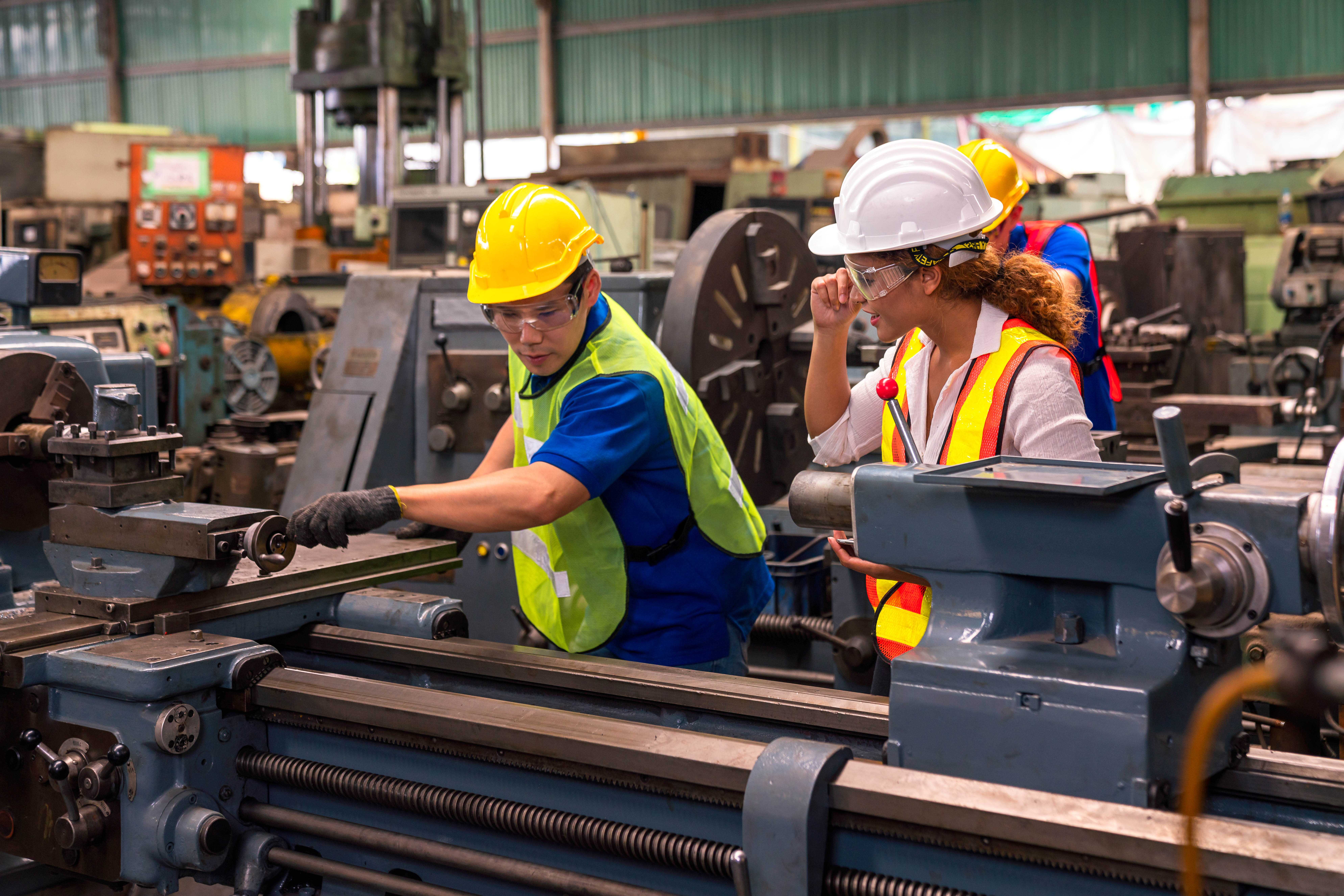
Engaging with industrial services offers a wealth of benefits that can keep your facility operating smoothly. Understanding these advantages can help make informed decisions.
Comprehensive Service Offerings
Industrial services provide a wide range of solutions from mechanical to electrical and HVAC-R. This comprehensive approach means that all aspects of your facility are covered. Marshall Industrial Technologies offers these holistic services to ensure that every part of your operation runs efficiently.
By opting for a single provider, you streamline processes and build a stronger relationship with your service provider. This leads to better, more tailored solutions that directly address your facility’s specific needs. Dive deeper into effective maintenance strategies here.
Partnering With Experts
Partnering with experts means gaining access to specialized knowledge and skills. Facility managers benefit from the expertise of seasoned professionals who understand the nuances of industrial environments. Most people believe they can manage maintenance alone, but expert input is invaluable.
Experts provide insights that a generalist might overlook. They swiftly identify problem areas and implement solutions that save time and money. By collaborating with experienced professionals, you ensure high-quality maintenance and repairs, reducing the risk of unexpected issues.
Avoiding Emergency Repairs
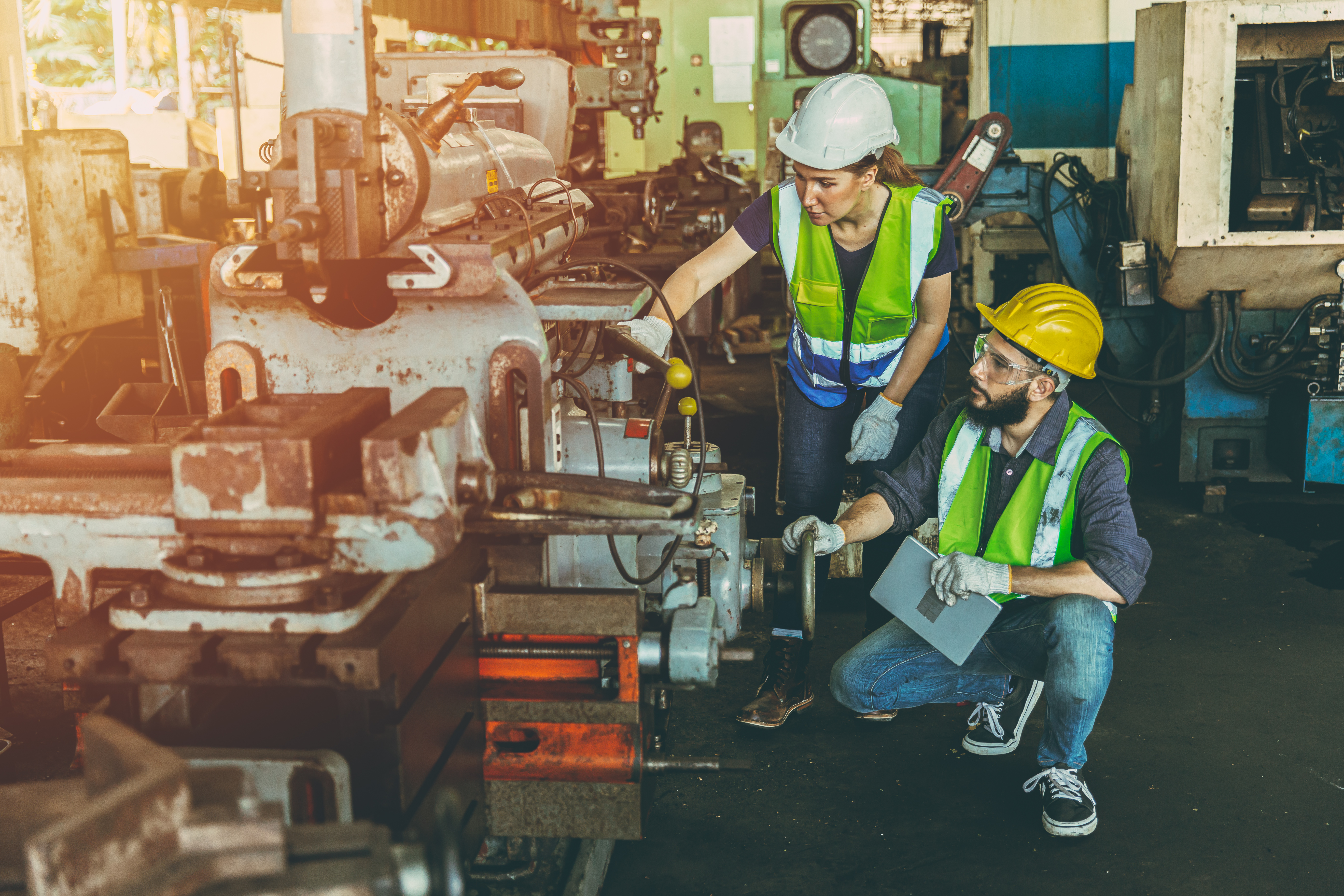
Emergency repairs can be disruptive and costly. The longer you delay addressing maintenance needs, the more severe the problems can become.
Identifying Potential Issues Early
Spotting problems early is key to avoiding emergencies. Regular checks help identify signs of wear and tear before they escalate. Imagine a minor leak that goes unnoticed, turning into significant water damage. Early detection saves you from such headaches.
Training your staff to recognize these signs is equally critical. With everyone informed and attentive, facility issues can be reported and addressed promptly. This proactive approach greatly reduces the likelihood of unexpected repairs.
Implementing a Customized Maintenance Plan
A tailored maintenance plan can transform how your facility operates. By considering your specific needs and challenges, you create a strategy that targets potential issues effectively. This customization ensures that resources are efficiently used, preventing waste.
A structured plan also offers peace of mind. Knowing that you have a strategy in place alleviates the stress of unexpected breakdowns. To further enhance your facility’s operations, consider reaching out to Marshall Industrial Technologies for expert guidance. They can help develop a plan that keeps your facility running smoothly and efficiently.
Ensuring Safety and Quality in Industrial Equipment Installation and Repairs
Comments Off on Ensuring Safety and Quality in Industrial Equipment Installation and RepairsEnsuring Safety and Quality in Industrial Equipment Installation and Repairs
Many industrial projects stumble due to overlooked safety and poor-quality repairs. You can’t afford downtime or risks in your facility. With over 75 years of proven success, Marshall Industrial Technologies ensures industrial equipment installation meets strict safety in industrial services and quality industrial repairs standards. Read on to see how partnering with a reliable industrial partner safeguards your operations and boosts productivity. Contact us today to ensure your next project meets the highest safety and quality standards. For more information, consider visiting this resource.
Commitment to Safety Practices
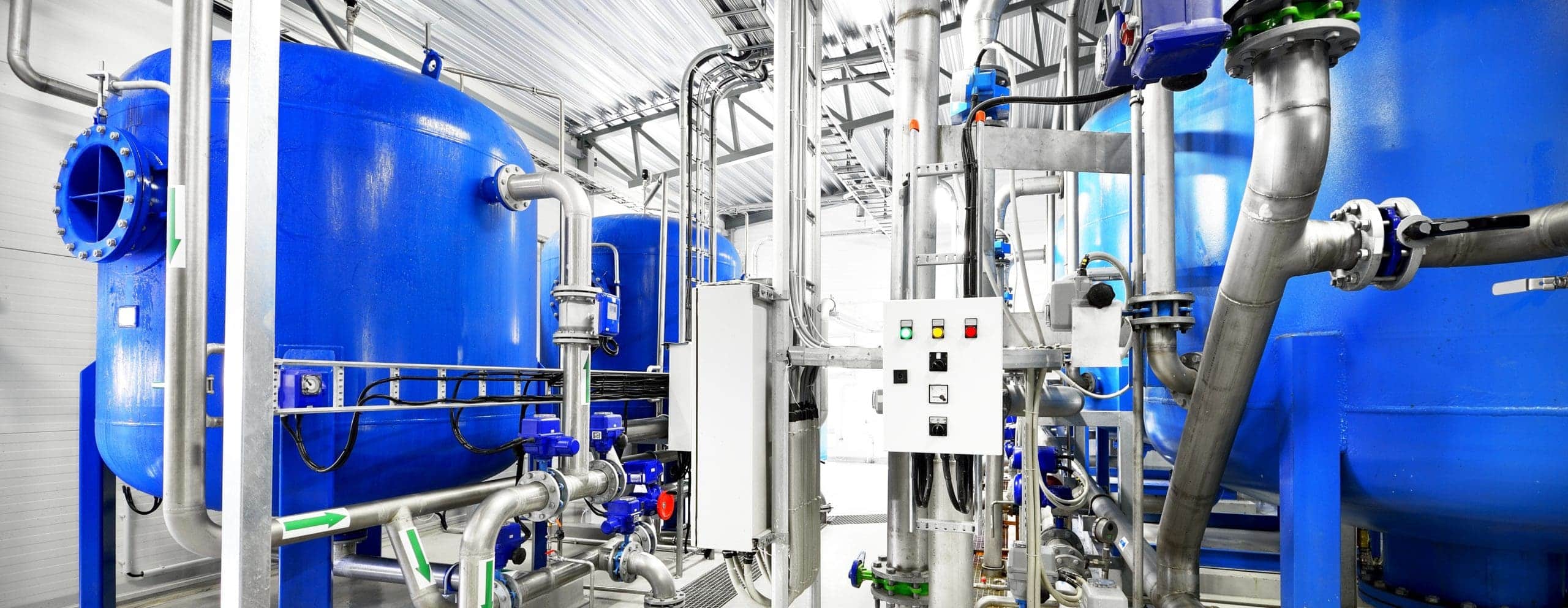
Safety isn’t just a priority—it’s a non-negotiable standard at Marshall Industrial Technologies. We understand the critical role safety plays in protecting your facility and team.
Prioritizing Safety in Industrial Services
Your operation demands safe practices, and we deliver just that. Our team follows stringent safety guidelines to ensure every project is executed without a hitch. We adhere to OSHA standards, which not only protect your employees but also enhance productivity.
Our safety measures include:
-
Regular safety audits: Identify potential hazards before they become issues.
-
Safety gear compliance: Ensure all personnel are equipped with necessary protective equipment.
-
Risk assessment plans: Conduct thorough evaluations to mitigate risks during installations and repairs.
Explore more about safety in industrial equipment installation here.
Comprehensive Safety Protocols
Safety protocols are the backbone of any successful industrial project. We implement systems that anticipate and prevent accidents, keeping your operation running smoothly.
-
Emergency response plans: Preparedness for any situation keeps disruptions minimal.
-
Equipment checks: Regular inspections prevent malfunctions and extend equipment life.
-
Safety drills: Routine drills ensure that your team is ready for any emergency.
These protocols are designed to address specific risks in various industrial environments. For more insights, check this guide.
Continuous Safety Training
Keeping your team informed and prepared is crucial. We offer ongoing training sessions, ensuring your staff is always up-to-date with the latest safety practices.
-
Monthly training sessions: Cover new safety protocols and equipment handling techniques.
-
Certifications: Opportunities for your team to gain certifications in safety practices.
-
Feedback loop: Encourage staff to report safety concerns and suggest improvements.
Learn about best practices for equipment care and maintenance here.
Ensuring Quality in Every Project
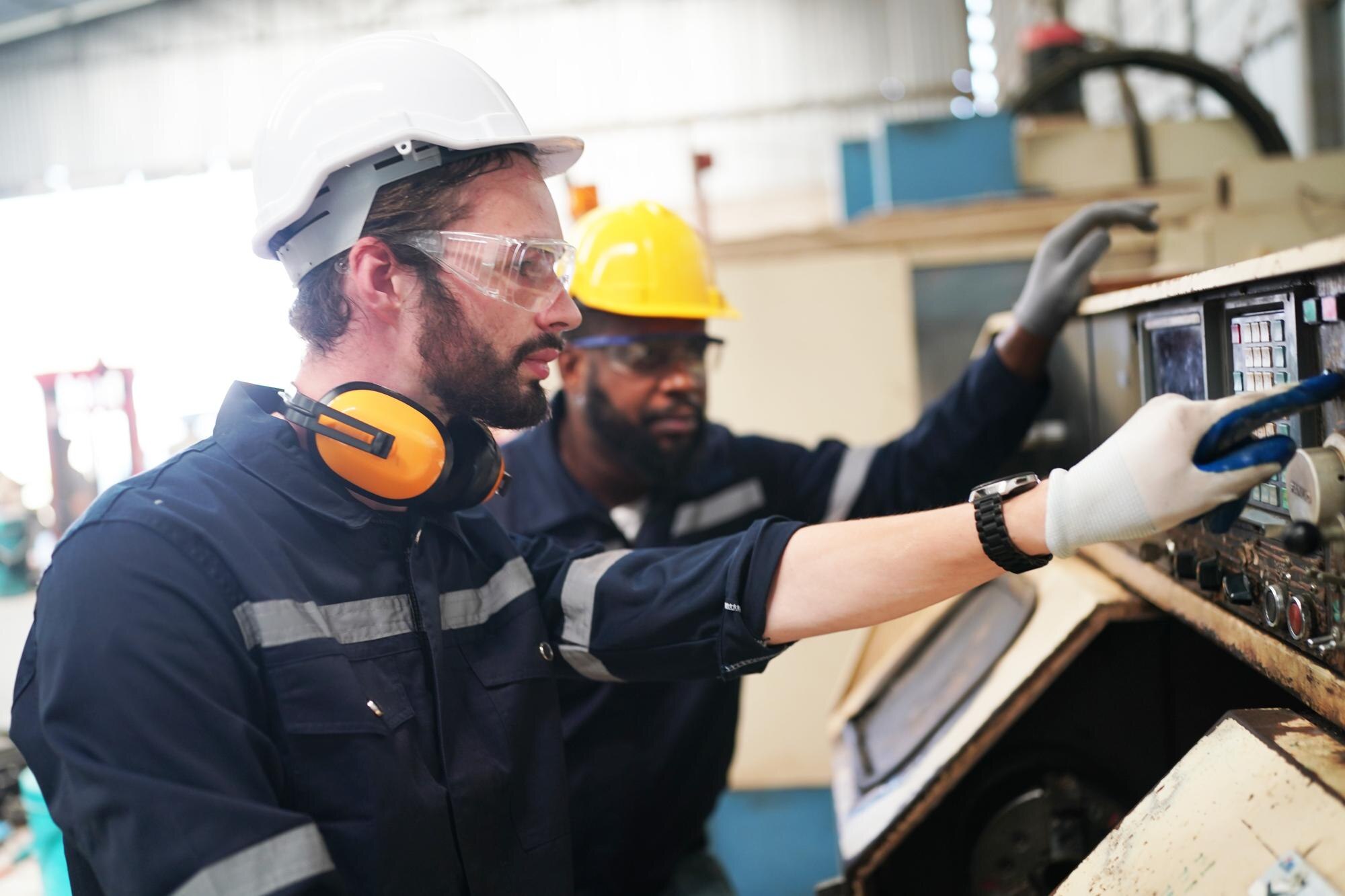
Our commitment to quality is unwavering. We ensure every project surpasses industry standards, providing you with dependable and lasting results.
Quality Industrial Repairs Guaranteed
When equipment fails, downtime can be costly. We specialize in quick, high-quality repairs that get your operations back on track swiftly.
-
24/7 emergency repair services: We’re ready to tackle unexpected breakdowns at any hour.
-
Expert technicians: Our team consists of skilled professionals with years of experience in the field.
-
Advanced diagnostics: Using state-of-the-art tools, we identify issues accurately.
Our quality assurance process ensures that repairs meet your facility’s specific needs, minimizing future disruptions.
Reliable Industrial Partner for Facility Maintenance
Facility maintenance is key to operational efficiency. Our comprehensive maintenance services ensure your systems perform at their peak.
-
Scheduled maintenance plans: Regular check-ups prevent unexpected failures.
-
Custom solutions: Tailored maintenance strategies that fit your unique operational demands.
-
Performance monitoring: Continuous evaluation to optimize operational efficiency.
By partnering with us, you gain a reliable ally dedicated to maintaining your facility’s productivity.
Proven Track Record of Excellence
With over 75 years in the industry, we have built a reputation for excellence. Our success stories speak volumes about our commitment to quality and safety.
-
Client testimonials: Our clients consistently praise our professionalism and reliability.
-
Long-term partnerships: Many of our clients have trusted us for decades, a testament to our service quality.
-
Industry recognition: We’ve been recognized for our contributions to industrial safety and efficiency.
Choosing Marshall Industrial Technologies means choosing a partner dedicated to excellence. Your facility deserves nothing less.