



Uncover Hidden Risks in Your Industrial Equipment Before They Cause Downtime
Hidden industrial equipment risks often go unnoticed—until downtime hits hard and costly. You already know preventive maintenance matters, but uncovering those silent threats before failure is where real downtime prevention starts. We’ll show you how to spot hidden dangers early, boosting equipment reliability and industrial safety. Contact us for a comprehensive risk assessment of your industrial equipment today! For more insights, check out this article.
Understanding Industrial Equipment Risks
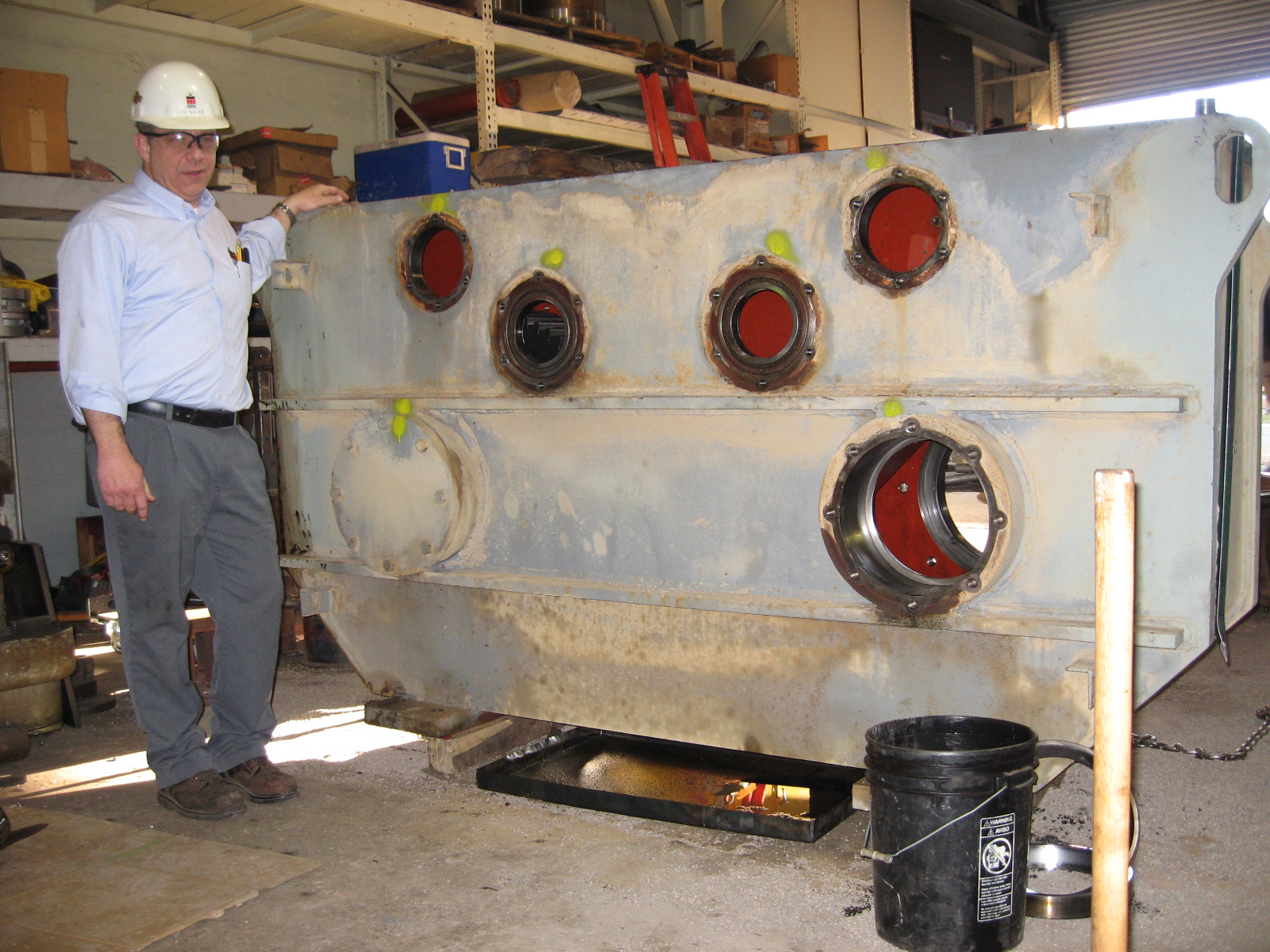
Hidden dangers in industrial equipment can lead to unexpected downtime. Let’s explore these risks to ensure your equipment stays reliable and safe.
Identifying Common Risk Factors
Many factors threaten industrial equipment. Wear and tear tops the list. Over time, parts degrade, leading to failures. Imagine a conveyor belt in constant use; if unchecked, it might snap, causing a halt in production. Environmental conditions also play a role. Dust, moisture, and temperature fluctuations can damage sensitive machinery. For instance, electronic components might fail if exposed to too much heat. Lastly, human error is a significant risk. Incorrect operation or maintenance can lead to early equipment failure.
It’s crucial to conduct regular checks to spot these risks early. A simple visual inspection can reveal worn parts or environmental damage. However, advanced tools like thermal imaging can detect issues that aren’t visible to the naked eye. By identifying risk factors early, you can plan maintenance before a problem becomes a crisis. For more insights, consider exploring this resource on common equipment failures.
Importance of Equipment Reliability
When your equipment is reliable, your operations run smoothly. This means fewer unexpected stops and increased productivity. Imagine a factory where machines break down frequently; the costs in repairs and lost production can be enormous. Reliable equipment ensures consistent output, leading to better profit margins.
Investing in reliability also boosts safety. Faulty machines can be hazardous to workers. By maintaining your equipment, you protect your team from potential accidents. Reliable equipment also gives you peace of mind. Knowing your machinery is in top condition allows you to focus on other critical business areas. Most importantly, it helps maintain customer trust by ensuring timely deliveries.
Implementing Preventive Maintenance Strategies
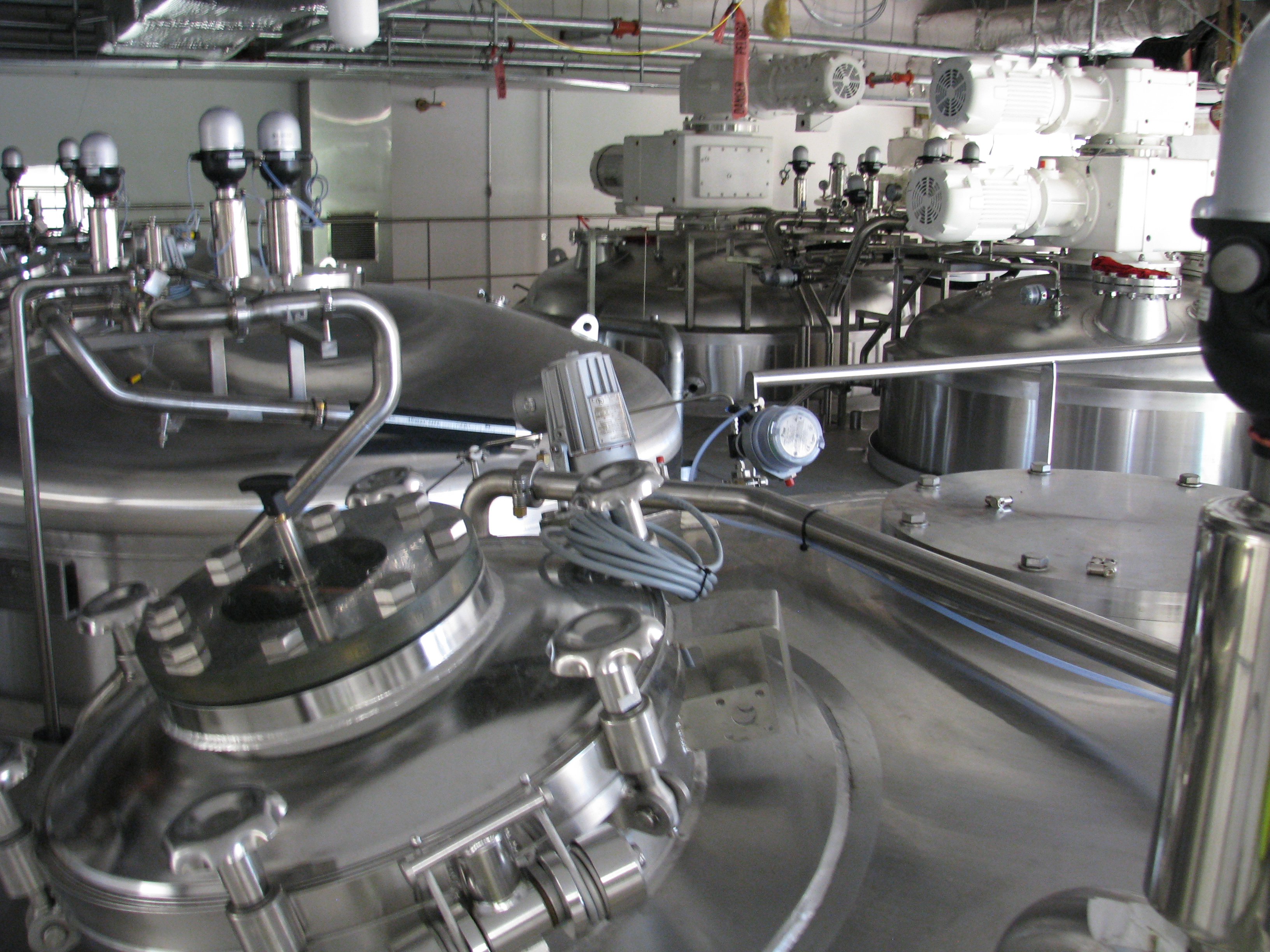
Preventive maintenance is your best defense against unexpected failures. Here’s how you can strategically implement it to keep your operations running smoothly.
Scheduling Regular Inspections
Regular inspections are the cornerstone of preventive maintenance. By checking equipment frequently, you catch issues before they escalate. Start by creating a schedule. Determine which machines need weekly checks and which can be inspected monthly. For example, a high-use machine like a pump might require more frequent attention than a rarely used generator.
During inspections, look for wear and tear signs, listen for unusual noises, and check for leaks. Document your findings. This helps track patterns and predict future maintenance needs. Additionally, consider using digital tools for more precise monitoring. Sensors that track vibration or temperature changes can alert you to potential problems instantly. Explore how preventive maintenance can reduce downtime and enhance equipment reliability.
Training for Industrial Safety
Training your team is equally vital. Proper training ensures that your staff operates equipment safely and efficiently. Start with safety protocols. Make sure everyone knows the correct procedures for operating each machine. Regular training sessions can help reinforce these skills. Use real-life scenarios to illustrate potential hazards and how to avoid them.
Additionally, provide technical training. Your team should know how to perform basic maintenance tasks, like changing filters or lubricating moving parts. This not only extends equipment life but also empowers your employees. They become valuable assets in identifying early signs of equipment wear. This proactive approach keeps your operations safe and efficient.
Downtime Prevention Techniques
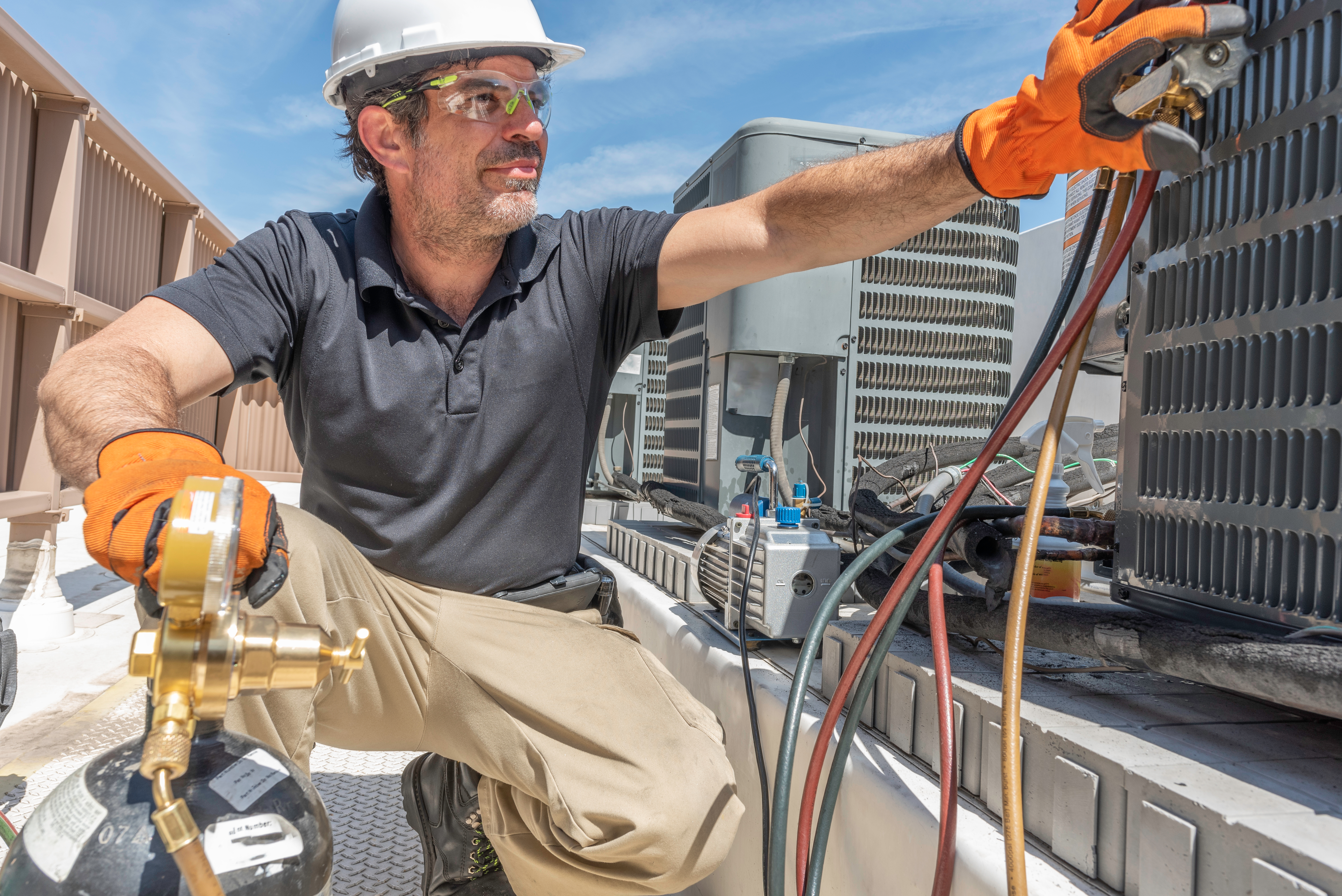
Preventing downtime involves more than just regular maintenance. By leveraging technology and thorough assessments, you can keep operations smooth and uninterrupted.
Utilizing Predictive Technologies
Predictive technologies are game-changers in downtime prevention. They use advanced tools to forecast issues before they become problems. For instance, vibration analysis can detect unusual patterns, hinting at potential equipment failure. Similarly, infrared thermography can reveal overheating components, allowing for timely intervention.
Implementing these technologies can significantly reduce downtime. They help you move from reactive to proactive maintenance. By predicting when a part might fail, you can schedule repairs during non-peak hours, minimizing disruption. Incorporating predictive solutions not only saves time but also reduces costs in the long run. For a deeper dive into predictive maintenance benefits, visit this insightful article.
Conducting Comprehensive Risk Assessments
A thorough risk assessment is crucial for understanding potential threats to your equipment. Start with a complete inventory of all machinery. Evaluate each piece for age, usage, and condition. This helps prioritize which equipment needs immediate attention.
Next, analyze potential failure points. Consider external factors like environmental conditions and internal factors such as wear patterns. Engage experts if necessary to ensure a comprehensive evaluation. Document your findings and create an action plan. This proactive approach helps prevent unexpected failures and ensures continuous operation.
By understanding risks and implementing the right strategies, you can avoid costly downtime and keep your operations running effectively.